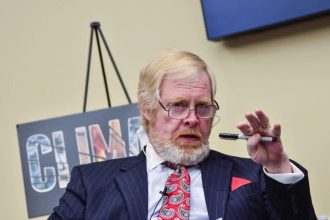

South Africa’s Department of International Relations and Cooperation (DIRCO) has formally demarched the United States ambassador to South Africa, Leo Brent Bozell III, following comments he made regarding the controversial struggle song “Kill the Boer”.
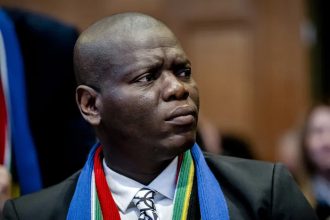
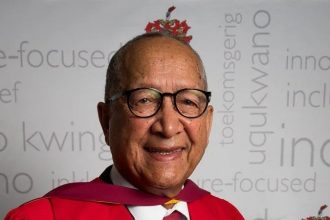
The diplomatic move was confirmed by International Relations and Cooperation Minister Ronald Lamola during a media briefing on Wednesday. Lamola said the ambassador had been called in to account for what government described as “undiplomatic remarks”.
Bozell made the comments during a keynote address at an event in Hermanus, where he expressed his view that the chant constitutes hate speech.
“We have called in the Ambassador of the United States, Ambassador Bozell, to explain his undiplomatic remarks,” Lamola told reporters.
Government Emphasises Diplomatic Protocol
Lamola said the South African government values strong diplomatic relations with the United States and supports active public diplomacy. However, he stressed that such engagements must adhere to accepted diplomatic norms and international protocols.
According to Lamola, diplomatic representatives are expected to engage respectfully within the host country’s political and historical context.
The decision to issue a demarche – a formal diplomatic complaint – signals the government’s concern about the tone and implications of the ambassador’s comments.
While diplomatic disagreements are not unusual between countries, the step indicates Pretoria’s intention to address the matter through official diplomatic channels rather than public exchanges.
Ambassador’s Visits to Historical Sites
Lamola also noted that since arriving in South Africa, Bozell has been visiting several historically significant locations as part of his engagements in the country.
These visits included the Apartheid Museum and the historic District Six area, both of which are closely associated with South Africa’s history of racial segregation and forced removals during apartheid.
According to Lamola, during those visits the ambassador acknowledged the country’s complex historical legacy and the need for ongoing efforts aimed at redress and reconciliation.
“In his engagements and visits to various sites in South Africa, including the Apartheid Museum, District 6 and other historical places, he acknowledges that given our history, South Africa needs redress and is willing to work with us constructively in this regard,” Lamola said.
Growing Diplomatic Tensions
The diplomatic development comes amid a period of heightened tension between South Africa and the United States.
Recent public comments by the ambassador regarding South Africa’s domestic politics and foreign policy positions have drawn scrutiny from government officials and political observers.
Although relations between the two countries remain longstanding and strategically important, incidents involving public remarks by diplomats can occasionally create friction.
Political analysts note that such disputes are typically managed through diplomatic channels, with demarches often serving as a formal mechanism to communicate concerns while preserving broader bilateral relations.
Balancing Diplomacy and Domestic Sensitivities
The controversy surrounding the struggle song reflects a long-running debate within South Africa about historical political expression, freedom of speech and the country’s reconciliation process.
While some view such chants as part of South Africa’s liberation history, others argue that the language can be inflammatory in a modern democratic context.
For the government, the challenge lies in navigating both the sensitivities of the country’s historical legacy and the expectations of diplomatic conduct from foreign representatives.
As discussions between DIRCO and the US embassy continue, both sides are expected to seek a resolution that protects diplomatic relations while addressing Pretoria’s concerns about the ambassador’s remarks.