
Taiwanese electronics giant Acer is rapidly strengthening its foothold in South Africa’s technology sector, with a dominant presence in education driving its latest growth surge.
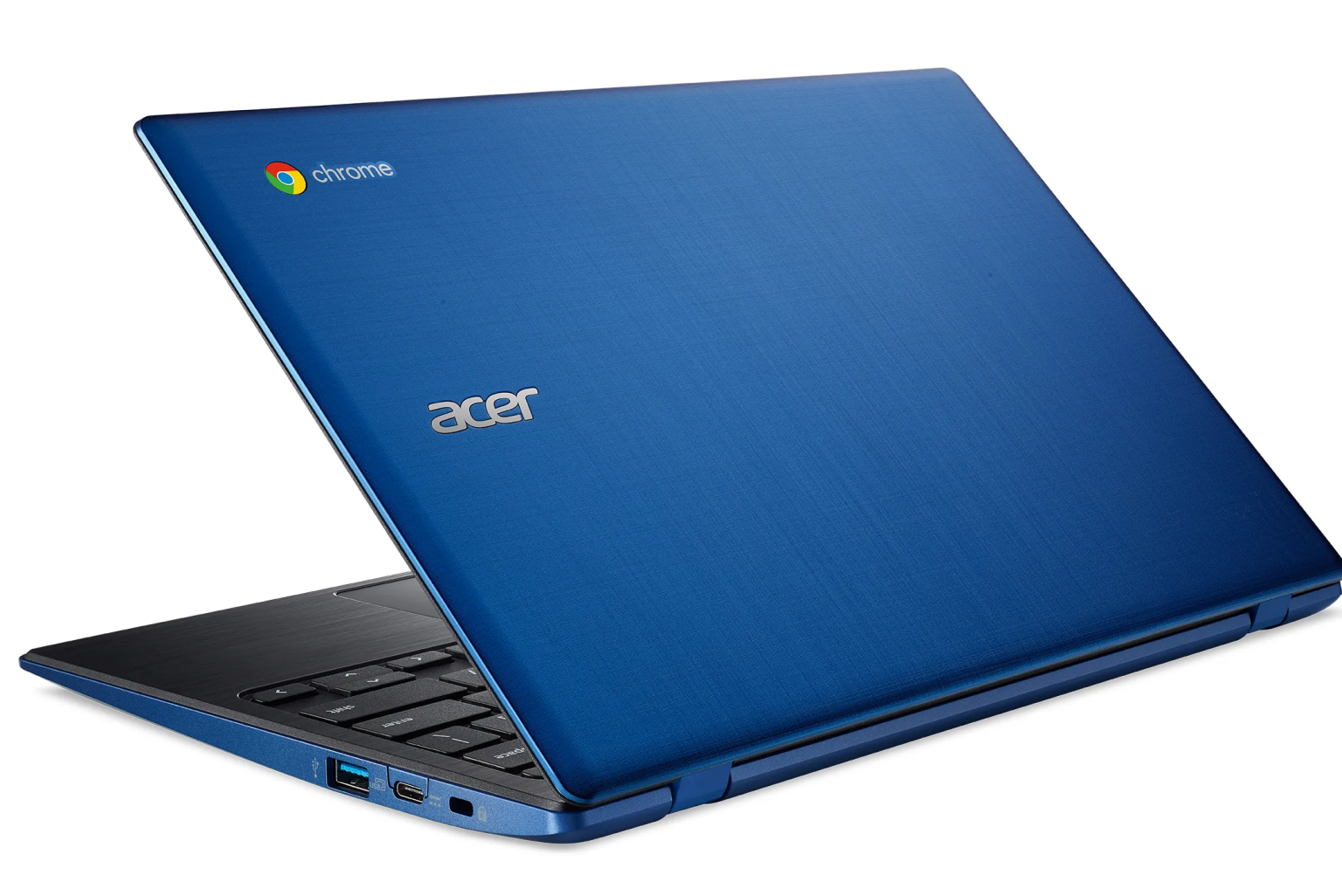
The company’s local division reports that it now commands 65% of the Chrome OS device market, largely powered by widespread adoption of its Chromebook laptops across schools and learning institutions.
Education Sector Fuels Market Leadership
The rise of digital learning tools has reshaped South Africa’s education landscape — and Acer has positioned itself at the centre of that transformation.
Its Chromebook range, built on Chrome OS, has become a preferred choice for schools seeking:
- Cost-effective computing solutions
- Easy device management
- Cloud-based learning integration
This demand has propelled Acer ahead of competitors in the Chrome OS segment, giving it a commanding lead in a space closely tied to the future of education.
Strong Performance Across Multiple Segments
Beyond education, Acer is also making gains across the broader consumer and commercial markets.
According to local leadership:
- Acer holds 11% of South Africa’s consumer PC market
- Market leader Lenovo remains ahead at 25%
- Acer maintains an 8% share in the commercial segment, based on activation data
In the projector category, the company has surged even further, capturing over 60% of the local market, signalling strong demand in both education and business environments.
Acer-X Marketplace Drives Distribution Efficiency
A key factor behind this growth is the introduction of the Acer-X marketplace, a distribution platform designed to streamline supply chains.
The system allows local distributors to:
- Share real-time stock availability
- Reduce inventory bottlenecks
- Improve delivery times to resellers
According to Acer South Africa’s country manager Glenn du Toit, the platform has transformed how partners operate.
“It’s moved us away from the old model where stock sat in silos,” he said.
The result has been a reported 34% growth in channel business between 2024 and 2025, underscoring the impact of smarter logistics in a competitive market.
Local Manufacturing Boosts Affordability
Acer’s strategy also includes a growing focus on local production, aimed at reducing costs and improving competitiveness.
In 2024, the company partnered with a manufacturing facility in Boksburg to assemble computer monitors for both commercial and gaming markets.
This move has delivered:
- Reduced import tariffs
- Shorter supply chains
- More competitive pricing for consumers
Du Toit noted that local assembly has made previously high-priced products, such as Acer’s Nitro and Predator gaming monitors, more accessible to South African buyers.
Competing Beyond Price
While affordability remains a priority, Acer says its strategy is not simply about offering cheaper products.
Instead, the company is focusing on:
- Tailored product bundles
- Higher-performance specifications
- Targeted solutions for specific user needs
This approach reflects a shift in the tech industry, where value and relevance are increasingly outweighing price alone.
What This Means for South Africa’s Tech Landscape
Acer’s rapid growth highlights several broader trends:
- Increased digital adoption in education
- Rising demand for affordable computing solutions
- The strategic importance of local manufacturing
- Greater competition among global tech brands in emerging markets
As schools, businesses and consumers continue to digitise, companies that can balance cost, performance and accessibility are likely to dominate.
Final Word
Acer’s dominance in South Africa’s Chrome OS market is more than just a business success story — it reflects a deeper shift in how technology is being used to power education and economic participation.
With local manufacturing, smarter distribution and a strong education focus, the company is positioning itself not just as a market leader, but as a key player in the country’s digital future.