Nigeria has announced plans to evacuate its citizens from South Africa as concerns grow over renewed xenophobic tensions and attacks targeting foreign nationals.
The move, described as a “voluntary repatriation”, comes after at least 130 Nigerians indicated they wish to return home, according to Nigeria’s Foreign Minister Bianca Odumegwu-Ojukwu.
Evacuation Plan Triggered by Safety Concerns
Odumegwu-Ojukwu said the number of citizens requesting evacuation is likely to increase, citing growing fears among Nigerian communities.
“Nigerian lives and businesses in South Africa must not continue to be put at risk,” she said.
The decision follows reports of recent violence and intimidation directed at foreign nationals, particularly those from other African countries.
Deaths Spark Diplomatic Concern
The situation escalated after two Nigerian nationals — Amamiro Chidiebere Emmanuel and Nnaemeka Matthew Andrew — reportedly died in separate incidents involving South African security personnel last month.
These cases have intensified diplomatic engagement between the two countries, with Nigeria seeking clarity and accountability.
South Africa and Nigeria Commit to Dialogue
South Africa’s Minister of International Relations Ronald Lamola confirmed that discussions have taken place with his Nigerian counterpart.
Both countries have agreed to:
- Strengthen diplomatic cooperation
- Address challenges linked to irregular migration
- Explore long-term, sustainable solutions
Lamola emphasised the importance of tackling the root causes of migration pressures, rather than focusing solely on enforcement.
High-Level Talks Underway
Further engagements are expected as South Africa’s acting high commissioner in Abuja prepares to meet Nigerian officials to discuss:
- Alleged mistreatment of Nigerian citizens
- Attacks on Nigerian-owned businesses
- Broader concerns around safety and security
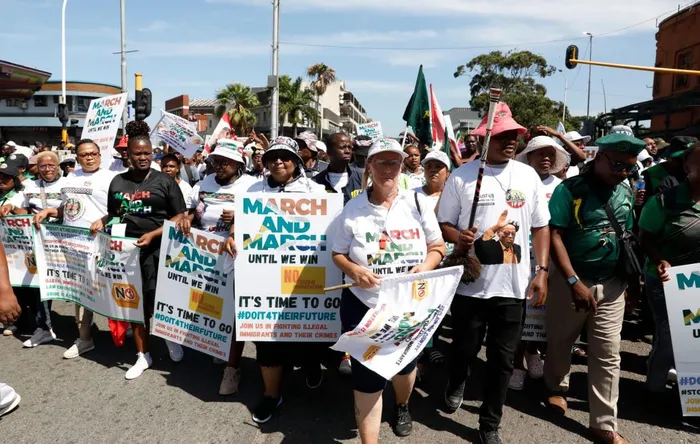
Nigerian authorities have pointed to what they describe as a recurring pattern of xenophobic incidents, often intensifying during politically sensitive periods.
Political Climate and Migration Debate
The latest developments come ahead of South Africa’s municipal elections scheduled for 4 November, with immigration once again emerging as a key political issue.
Analysts note that anti-immigration rhetoric often intensifies during election cycles, reflecting broader frustrations over:
- Unemployment
- Service delivery pressures
- Competition for economic opportunities
However, officials have cautioned against linking these challenges solely to foreign nationals.
Government Condemns Violence
Acting Police Minister Firoz Cachalia has strongly condemned attacks on migrants, reiterating that such actions are unlawful.
“Acts of xenophobia, violence, looting or intimidation will not be tolerated under any circumstances,” he said.
Authorities have stressed that protecting all residents — regardless of nationality — remains a constitutional obligation.
Migration by the Numbers
According to official estimates, approximately three million foreign nationals live in South Africa, representing about 5.1% of the population.
A significant majority — over 63% — come from countries within the Southern African Development Community (SADC), highlighting the regional nature of migration flows.
A Regional Challenge, Not a National One
The situation underscores a broader reality: migration in Southern Africa is driven by complex factors, including economic disparity, political instability and regional integration.
Addressing these challenges requires coordinated efforts between governments, rather than unilateral action.
Final Word
Nigeria’s planned evacuation signals rising concern over the safety of its citizens in South Africa, while also placing pressure on both governments to act decisively.
As diplomatic talks continue, the focus will be on restoring confidence, protecting lives and finding balanced solutions to one of the region’s most sensitive issues.