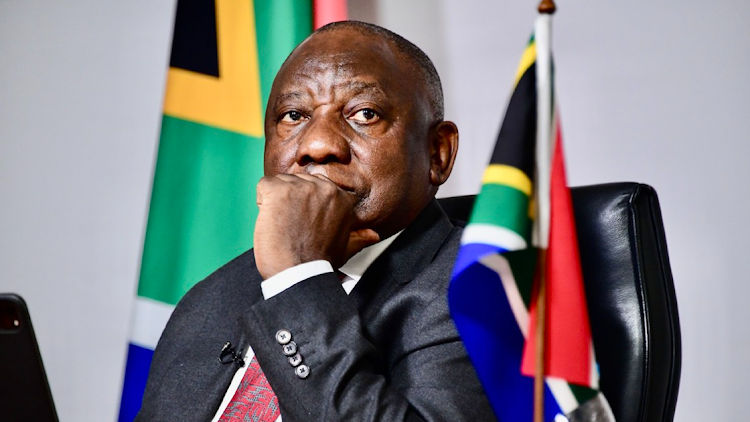
South Africa’s opposition party, the Democratic Alliance (DA), has launched a sharp critique of President Cyril Ramaphosa following his recent private visit to Zimbabwe — a move that has ignited debate over the country’s foreign policy direction.
The low-profile trip saw Ramaphosa meet Zimbabwean President Emmerson Mnangagwa at a private farm in Kwekwe, away from formal diplomatic channels. While details of the meeting remain limited, the DA argues that its timing and nature raise serious questions about South Africa’s commitment to democratic principles in the region.
Opposition Flags Concerns Over Zimbabwe’s Political Direction
In a strongly worded statement, the DA warned that developments in Zimbabwe — including proposed constitutional amendments — could pave the way for extended presidential terms.
According to the party, such changes risk weakening democratic safeguards and entrenching long-term rule.
The criticism reflects growing unease among opposition voices in South Africa, who argue that Pretoria should take a firmer stance on governance issues within neighbouring states.
Silence on Tendai Biti Arrest Draws Fire
The DA also took aim at what it described as a lack of response from South African leadership following the arrest of Zimbabwean opposition figure Tendai Biti earlier this year.
Biti, a prominent critic of Mnangagwa’s administration, was detained alongside activists during mobilisation efforts linked to constitutional reforms.
The party said the absence of public condemnation from both Ramaphosa and International Relations Minister Ronald Lamola raises concerns about consistency in South Africa’s diplomatic posture.
Questions Over Business Interests at Private Meeting
Further controversy has emerged over reports that politically connected businessmen were present during the engagement, including Wicknell Chivayo and Kudakwashe Tagwirei.
The DA argues that their alleged presence introduces questions around transparency and governance, particularly in light of ongoing regional concerns about corruption.
The party also referenced the findings of the Zondo Commission, suggesting that South Africa’s anti-corruption commitments should extend to its foreign engagements.
Foreign Policy Direction Under Scrutiny
At the heart of the criticism is a broader debate about South Africa’s foreign policy under the African National Congress (ANC).
The DA contends that the government is prioritising political alliances over constitutional values such as human rights, democracy and accountability.
Analysts note that South Africa has historically favoured a policy of quiet diplomacy in the region — a strategy that has often drawn mixed reactions, particularly when dealing with governance issues in neighbouring countries.
Immigration and Regional Stability
The DA also linked Zimbabwe’s internal political challenges to migration pressures in South Africa, arguing that instability in the region contributes to increased cross-border movement.
However, the party emphasised that responsibility lies with political leadership rather than ordinary citizens seeking better opportunities.
This framing reflects a broader national conversation around immigration, economic strain and regional cooperation.
A Delicate Balancing Act
Ramaphosa’s visit highlights the ongoing challenge facing South Africa: balancing diplomatic relationships with its stated commitment to democratic values.
Engagements with neighbouring leaders are often necessary for regional stability, but they can also attract scrutiny when conducted outside formal channels or during politically sensitive periods.
Final Word
The DA’s criticism underscores a growing tension in South Africa’s political landscape — one that pits diplomatic pragmatism against calls for stronger public accountability.
As more details emerge about the Zimbabwe visit, the debate is likely to continue, raising important questions about how South Africa positions itself as both a regional partner and a defender of democratic principles.