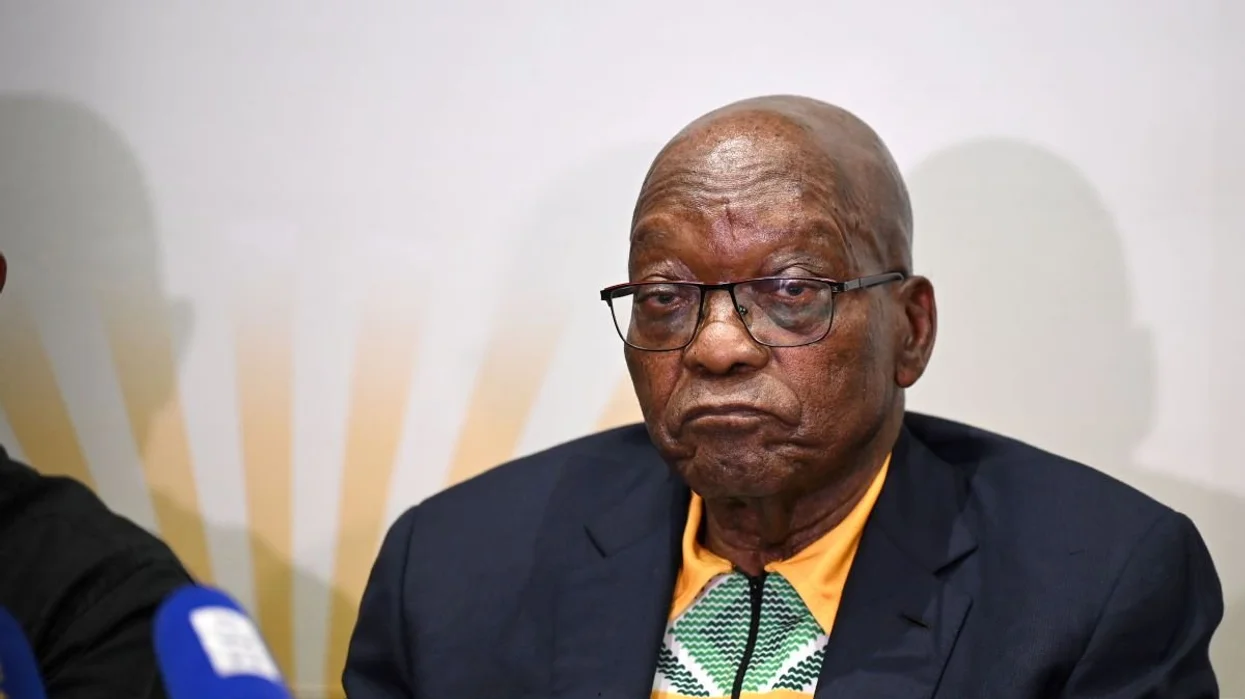
South Africa’s long-delayed arms deal corruption case involving former President Jacob Zuma and French defence company Thales is finally set to move forward, with the KwaZulu-Natal High Court confirming that the trial will begin on 1 February 2027.
The ruling, handed down in Pietermaritzburg on Thursday, marks a major development in one of the country’s most politically significant legal battles — a case that has remained unresolved for more than two decades.
Trial to Proceed After Years of Legal Battles
The fraud and corruption case dates back to South Africa’s controversial multibillion-rand arms procurement programme of the late 1990s.
Zuma and Thales were formally indicted in 2005 on charges linked to alleged corrupt payments connected to the arms deal. The trial was initially expected to begin in 2006 but became entangled in years of procedural disputes, appeals and postponements.
Legal analysts have frequently described the case as one of the most delayed high-profile corruption trials in South African history.
On Thursday, the KwaZulu-Natal High Court stated that the matter would now proceed without any further postponements, setting aside concerns that the trial could face additional legal obstruction.
What the State Alleges
Prosecutors allege that Zuma received corrupt payments in exchange for political protection during his time as Deputy President.
The charges against him include:
- Fraud
- Corruption
- Racketeering
- Money laundering
Thales, previously known locally as Thint, is accused of participating in the alleged corrupt arrangement tied to defence contracts awarded during the arms procurement process.
Both Zuma and the company have consistently denied wrongdoing.
A Case That Shaped South African Politics
The arms deal case has had far-reaching political consequences over the years.
The allegations played a major role in reshaping South Africa’s political landscape, influencing leadership battles within the African National Congress and contributing to ongoing debates around corruption, accountability and state institutions.
The prolonged delays also fuelled criticism of the country’s criminal justice system, with civil society groups repeatedly questioning why the matter took so long to reach trial.
Anti-corruption organisations have argued that the case became symbolic of the broader struggle to hold powerful political figures accountable.
Zuma Absent From Court
Zuma was not present during Thursday’s proceedings but was represented legally.
A representative for Thales also appeared before the court.
The matter is expected to run over two court terms once proceedings officially begin in February next year.
Given the scale and complexity of the case, legal experts anticipate extensive witness testimony and detailed examination of financial records and historical government procurement processes.
Public Interest Remains High
Despite the passage of time, public interest in the arms deal case remains significant.
The trial is likely to reignite national debate around:
- Political accountability
- State corruption
- Public procurement oversight
- The legacy of state capture and governance failures
The case also arrives at a time when South Africa continues to grapple with rebuilding public confidence in institutions tasked with fighting corruption.
Broader Implications for Governance
Political observers say the trial’s eventual outcome could carry symbolic importance for South Africa’s constitutional democracy.
For some, the start of proceedings represents a test of whether high-ranking political leaders can ultimately be subjected to the same legal standards as ordinary citizens.
Others warn that the prolonged delays have already weakened public confidence in the pace and effectiveness of the justice system.
Either way, the case is expected to dominate political and legal discussions well into 2027.
Final Word
After more than 20 years of postponements, appeals and procedural disputes, South Africa’s most closely watched corruption case is finally heading to trial.
The upcoming proceedings against Jacob Zuma and Thales are likely to become a defining legal moment — not only for those directly involved, but also for the country’s ongoing battle over accountability, governance and the rule of law.