
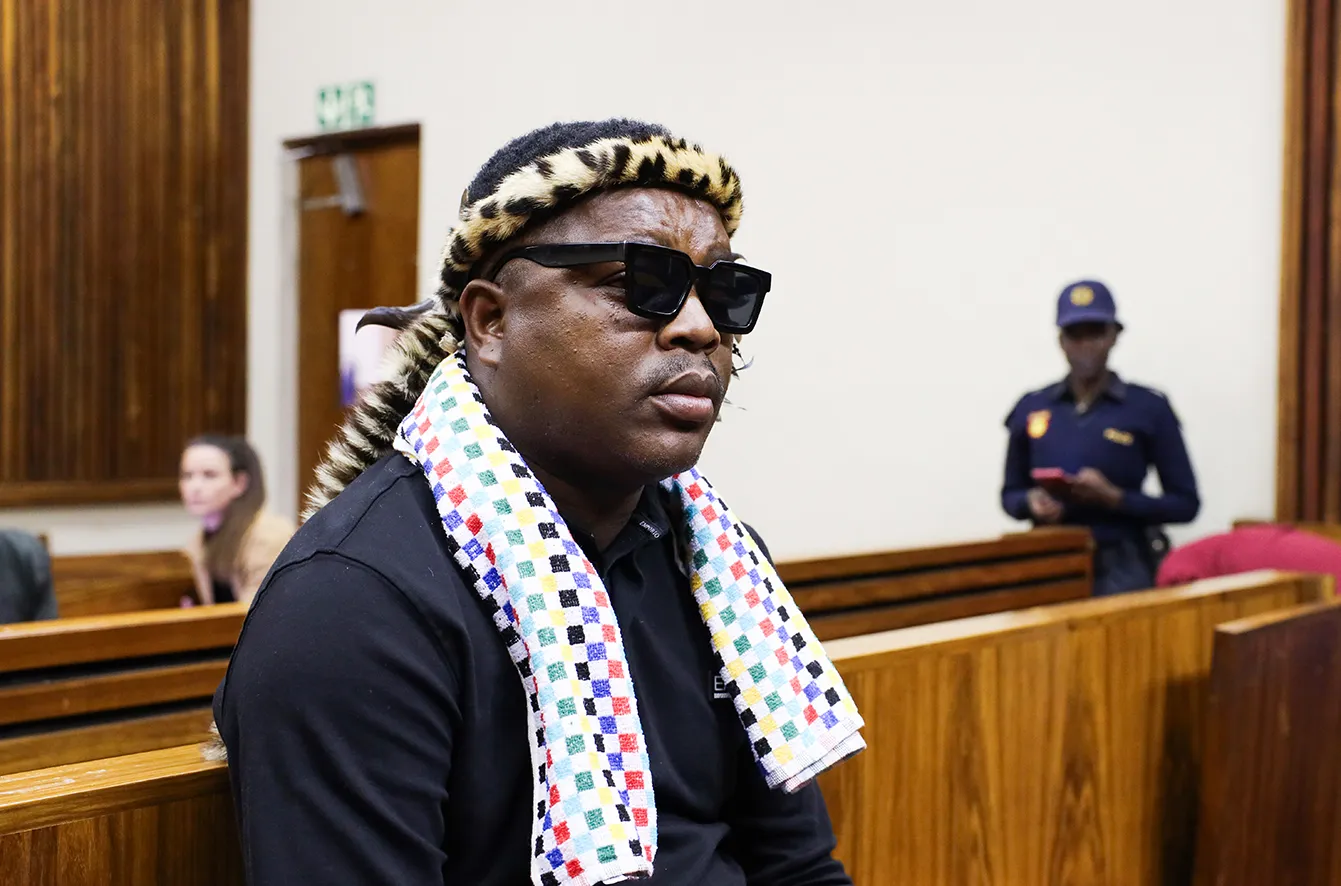
A legal battle involving podcast host and activist Ngizwe Mchunu has taken a dramatic turn after the Gauteng Division of the High Court reportedly ordered his arrest for contempt of court.
The ruling comes shortly after Mchunu issued a written apology to Economic Freedom Fighters (EFF) leader Julius Malema over remarks that formed part of an ongoing legal dispute between the two public figures.
While supporters of both men had anticipated that the apology could bring the matter to a close, the court’s latest decision suggests that the legal issues extended beyond the dispute itself and centred on compliance with previous court orders.
Court Finds Mchunu in Contempt
According to court documents shared publicly on Friday, Judge Etienne Christoffel Labuschagne found Mchunu guilty of contempt of court.
The judgment states that Mchunu allegedly failed to comply with earlier court directives issued in May 2026 and continued to publish or republish statements that had already been prohibited by the courts.
The court found that the alleged conduct occurred after previous orders had been granted, leading to the conclusion that the violation was both intentional and unlawful.
Contempt of court proceedings are generally instituted when an individual is accused of deliberately ignoring or disobeying a court order, undermining the authority of the judicial system.
Immediate Arrest Warrant Issued
As part of the ruling, the court reportedly authorised the immediate arrest and detention of Mchunu.
According to the judgment, the warrant provides for a prison sentence of 10 days should the order be executed.
The ruling represents one of the most significant developments in the ongoing dispute and underscores the courts’ stance on compliance with judicial directives.
Legal experts often note that contempt rulings are not intended merely to punish individuals but also to protect the integrity of court processes and ensure that court orders are respected.
Apology to Malema Did Not End Legal Proceedings
The court decision came despite Mchunu having issued a written apology to Malema earlier in the day.
While the apology addressed the dispute between the two individuals, the contempt proceedings focused on whether Mchunu complied with specific court orders rather than whether the parties had reached a form of reconciliation.
This distinction appears to be central to the latest ruling.
In legal matters involving contempt, courts generally assess compliance with judicial instructions independently of any private resolution or settlement reached between the parties involved.
As a result, an apology to a complainant does not automatically extinguish allegations that a court order was breached.
Conditions That Could Prevent Imprisonment
Despite the arrest order, the court reportedly provided Mchunu with an opportunity to avoid serving the custodial sentence.
According to the judgment, he must issue an unconditional and unreserved apology directed to the court itself.
The apology is required to be published across all of his active social media platforms and distributed to media outlets where he previously repeated the prohibited statements.
The court reportedly specified that the apology must also be shared with platforms and channels where the statements were amplified, including certain social media accounts identified in the ruling.
In addition, proof that these requirements have been fulfilled must be submitted through the court’s case management system.
Failure to comply could increase the likelihood that the arrest warrant will be enforced.
Legal Costs Added to the Order
Beyond the contempt finding, Mchunu has also reportedly been ordered to pay the legal costs associated with the application.
The court awarded costs on a punitive attorney-and-client scale, a measure typically reserved for cases where a court wishes to express strong disapproval of a party’s conduct.
The order also includes the costs of two legal counsel.
Such cost orders can substantially increase the financial consequences of litigation, particularly in matters that involve extensive court proceedings.
Broader Implications for Public Figures and Social Media
The case highlights the growing legal scrutiny surrounding statements made on social media platforms and digital content channels.
As online platforms continue to play an increasingly influential role in public discourse, courts have shown a willingness to enforce existing laws relating to defamation, contempt of court, and compliance with judicial orders.
Legal analysts note that the case serves as a reminder that court orders remain binding regardless of whether statements are made through traditional media, podcasts, livestreams, TikTok videos, or other digital platforms.
For public figures and content creators alike, the ruling underscores the importance of adhering to court directives once they have been issued.
What Happens Next?
The next phase of the matter is expected to depend on whether Mchunu complies with the conditions outlined by the court.
Should he meet the court’s requirements within the prescribed framework, he may avoid serving the 10-day prison sentence attached to the contempt ruling.
However, if the court determines that its conditions have not been met, authorities could proceed with executing the arrest warrant.
As the legal process continues, the case is likely to attract significant public and political attention, particularly given the high-profile figures involved and the broader questions it raises about accountability, free expression, and respect for judicial authority in South Africa.