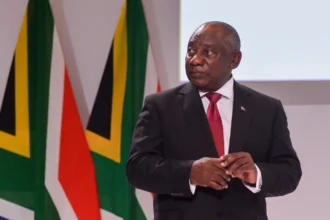
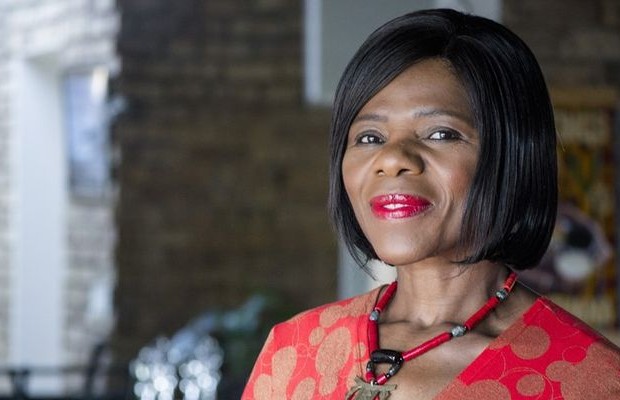
President Cyril Ramaphosa has formally challenged the appointment of Advocate Thandazani Madonsela as the evidence leader tasked with guiding Parliament’s Section 89 Impeachment Committee, raising fresh questions over how the investigation into the Phala Phala matter will proceed.
The objection was contained in a letter sent by the President’s office to committee chairperson Makashule Gana on Tuesday. The committee is now considering the legal implications of the objection as it seeks to appoint an evidence leader and resume its work.
Why Ramaphosa is challenging Madonsela’s appointment
Ramaphosa’s objection centres on what his office believes could constitute a conflict of interest.
The President pointed to his decision in 2022 to remove Madonsela from the Judicial Service Commission. He also raised concerns about Madonsela’s more recent involvement in advising the African National Congress on matters connected to the impeachment process.
According to Ramaphosa’s argument, that previous involvement could mean Madonsela already has knowledge of issues, arguments or information that could subsequently come before the committee.
The objection does not amount to a finding that Madonsela has acted improperly. Rather, it challenges whether he can perform the evidence leader role while maintaining the independence and impartiality expected of the position.
Committee examining its legal options
Gana confirmed that the committee had received the President’s letter and was consulting Parliament’s legal services before deciding how to proceed.
“We would like to have an evidence leader appointed and confirmed as soon as possible,” Gana said.
The committee faces a potentially important procedural decision: it must determine whether Ramaphosa’s objection provides sufficient grounds to reconsider Madonsela’s appointment, or whether the appointment can stand despite the concerns raised by the President.
The dispute could add another layer of complexity to an already protracted parliamentary process.
Madonsela narrowly won the committee vote
Madonsela’s appointment was approved by a majority of committee members approximately two weeks ago.
Nine MPs voted in his favour, while seven supported Advocate Kate Hofmeyr SC. A further 11 members abstained.
The result gave Madonsela the necessary support to be recommended for the position, but the President’s objection now puts the appointment under renewed scrutiny.
The evidence leader is expected to play a central role in the committee’s proceedings, including assisting with the presentation and testing of evidence as MPs consider whether the constitutional threshold for impeachment has been met.
Phala Phala inquiry remains at the centre of the dispute
The appointment battle is the latest development in the long-running political and legal controversy surrounding the President and the Phala Phala farm scandal.
The Section 89 process was established to investigate whether there are grounds for Parliament to consider the possible impeachment of the President.
The controversy stems from the theft of a substantial amount of foreign currency from Ramaphosa’s Phala Phala farm in Limpopo in 2020. The President has consistently denied wrongdoing and has maintained that he acted lawfully.
The parliamentary investigation has faced repeated legal and procedural challenges.
Last month, the Western Cape High Court granted Ramaphosa an urgent interdict preventing the committee from proceeding with public hearings while the legal dispute was being considered.
That court intervention has already placed the committee’s timetable under pressure.
What happens next?
For now, the committee’s legal services will assess Ramaphosa’s objection before MPs decide on the next step.
The central question will be whether Madonsela’s previous involvement in matters connected to Ramaphosa or the ANC creates an actual or perceived conflict serious enough to prevent him from serving as evidence leader.
The issue is significant beyond the personalities involved. The credibility of the Section 89 process depends heavily on the perception that evidence is being handled independently, fairly and according to Parliament’s rules.
With the committee already facing delays caused by court proceedings, a prolonged dispute over the evidence leader could further postpone substantive hearings.
For Ramaphosa, meanwhile, the objection represents another legal challenge to a parliamentary process that has followed the Phala Phala controversy for several years.
The eventual decision on Madonsela could therefore have consequences not only for the committee’s immediate proceedings, but also for the pace and credibility of the wider impeachment inquiry.