Malawi has officially closed its emergency voluntary repatriation programme for nationals seeking to leave South Africa, after 56,723 Malawians were assisted to return home amid heightened tensions and reports of violence targeting foreign nationals.
- More than 56,000 Malawians returned home
- Malawians can still return, but at their own cost
- Sherwood became a focal point of the crisis
- Thousands were caught between repatriation and deportation
- Durban authorities faced a major processing backlog
- Voluntary return and deportation followed different routes
- The programme came at a significant human cost
- Why so many Malawians chose to leave
- A major logistical operation now comes to an end
- What happens next?
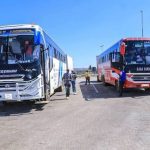
The government-funded initiative concluded on Wednesday, with the final buses scheduled to depart from the Malawi Consulate in Johannesburg and Malawi High Commission in Pretoria at midday.
The programme’s closure marks the end of a large-scale emergency response that transported tens of thousands of Malawian citizens from South Africa back to Malawi.
However, authorities have stressed that the end of the programme does not mean Malawians who still want to return home will be abandoned.
More than 56,000 Malawians returned home
According to Malawi’s Department of Disaster Management Affairs (DoDMA), the programme facilitated the voluntary return of 56,723 people.
The figure comprised:
- 38,866 men
- 17,857 women
The scale of the operation highlights the extent of concern among Malawian nationals living in South Africa during a period of heightened anti-foreigner sentiment.
The emergency programme was established to assist Malawians affected by violence and insecurity, particularly those who no longer felt safe remaining in parts of South Africa.
Following the final departures, the reception centre in Mwanza, Malawi, will also be decommissioned.
Malawians can still return, but at their own cost
Although government-funded transportation has ended, Malawi’s diplomatic missions in South Africa will continue assisting citizens who need to leave.
Malawians who decide to return after the programme’s closure will now be responsible for arranging and paying for their own travel.
The Malawi High Commission in Pretoria and Malawi Consulate in Johannesburg will nevertheless continue providing consular assistance, including emergency travel documentation where required.
This distinction is important.
The closure concerns the emergency government-funded transport programme, rather than a suspension of consular services for Malawian citizens in South Africa.
Sherwood became a focal point of the crisis
The repatriation effort intensified as large numbers of Malawians sought to leave areas where they reported feeling threatened by anti-foreigner sentiment.
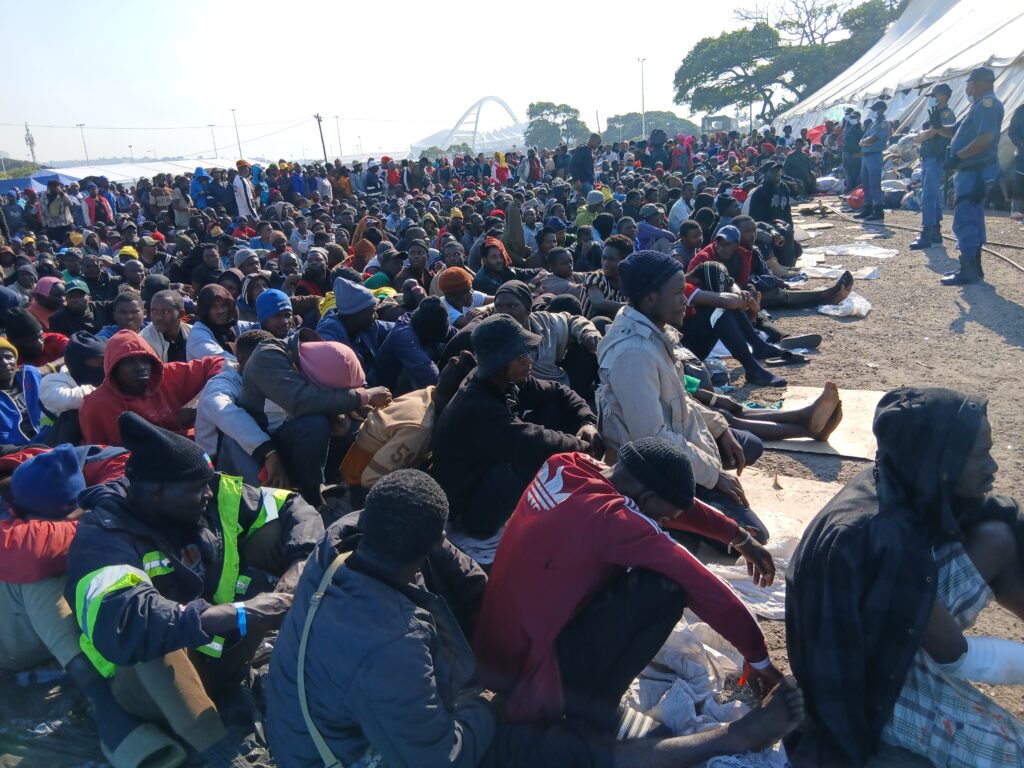
Sherwood in KwaZulu-Natal became one of the major gathering points for people awaiting processing and transportation.
As the number of people increased, the temporary arrangements came under severe pressure.
Reports from the site described overcrowding and difficulties involving sanitation, food and access to basic services.
One 25-year-old Malawian man who spoke to IOL in June described the conditions after spending several days at the site.
He said he had not been able to bathe for seven days and complained that overcrowding had placed enormous pressure on sanitation facilities.
The account illustrated the difficult circumstances faced by people who had already decided to leave South Africa but were waiting for the administrative and logistical processes to be completed.
Thousands were caught between repatriation and deportation
The situation was complicated by an important legal distinction: voluntary repatriation is not the same as deportation.
Some Malawians seeking to return were undocumented in South Africa, meaning their departure could not simply be handled as a mass transportation exercise.
South African immigration law requires individual processing before a person can be formally deported.
That process includes establishing the person’s identity, securing the necessary documentation and ensuring that the applicable legal procedures are followed.
Authorities also have to consider constitutional protections and the individual’s right to due process.
Durban authorities faced a major processing backlog
At the height of the crisis, thousands of undocumented foreign nationals were reportedly waiting to be processed.
On 17 June, eThekwini Mayor Cyril Xaba became involved in efforts to accelerate the processing of undocumented Malawians.
The mayor engaged senior government officials in an attempt to increase capacity and reduce the backlog.
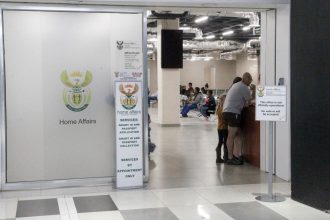
Additional courts and officials from the Department of Home Affairs were subsequently brought into the process.
The intervention highlighted a less visible part of the repatriation operation: getting people onto buses was only one element.
Before undocumented individuals could be deported through the formal South African process, authorities had to work through identification, documentation and legal requirements on an individual basis.
Voluntary return and deportation followed different routes
The distinction between the two processes also explains why large groups of Malawians could be waiting at the same locations despite having different immigration circumstances.
Those participating in Malawi’s voluntary repatriation initiative were returning with the assistance of their own government.
Deportation, by contrast, is a South African immigration enforcement process.
The two can occur alongside one another but are governed by different procedures.
That distinction became increasingly important as South Africa intensified immigration enforcement and the number of people seeking to leave grew.
The programme came at a significant human cost
Despite successfully assisting tens of thousands of people to return home, the operation was not without tragedy.
DoDMA confirmed that seven deaths were recorded during the repatriation exercise.
The department expressed condolences to the families of those who died.
The circumstances surrounding each death were not detailed in the information released by DoDMA, meaning it would be inappropriate to draw conclusions about the causes without further evidence.
Nevertheless, the deaths underscore the difficult circumstances surrounding the wider crisis.
Why so many Malawians chose to leave
The repatriation programme unfolded against a backdrop of growing tensions surrounding undocumented migration and foreign nationals in South Africa.
KwaZulu-Natal was particularly affected by concerns about xenophobic violence and anti-foreigner sentiment.
For some Malawian nationals, the decision to return home was therefore driven less by economic considerations than by concerns about personal safety.
South Africa has long been a major destination for migrants from across the region, including Malawi.
Large migrant communities have established lives and livelihoods in the country over many years.
The sudden movement of tens of thousands of people therefore reflects more than an immigration statistic. It points to the real-world consequences that political and social tensions can have on communities living across borders.
A major logistical operation now comes to an end
The final buses leaving Johannesburg and Pretoria bring the government-funded phase of Malawi’s emergency response to a close.
For DoDMA, the closure also means winding down the infrastructure established to receive returning citizens, including the Mwanza reception centre.
But the underlying issues that drove the programme have not necessarily disappeared.
Malawians who remain in South Africa and feel unsafe may still want to return, while others may choose to remain because they have jobs, businesses, homes or family commitments there.
For those individuals, the end of free government-funded transportation changes the practical calculation considerably.
What happens next?
The immediate focus will shift from emergency mass repatriation towards normal consular support.
Malawi’s diplomatic missions will continue assisting citizens who require emergency travel documents or other consular services.
Those wishing to return will need to organise their own transportation and meet the associated costs.
For South Africa, meanwhile, the episode adds another dimension to the country’s ongoing debate over undocumented migration, border management and the enforcement of immigration laws.
The challenge for authorities will be balancing stronger immigration enforcement with the constitutional and legal protections that apply to everyone within the country.
For Malawi, the completion of the programme provides a measure of closure after months of uncertainty.
But the return of 56,723 citizens also leaves a powerful reminder of the scale of the tensions that prompted the emergency response in the first place.
The buses may now be leaving for the final time, but the regional migration questions behind the operation are far from settled.