
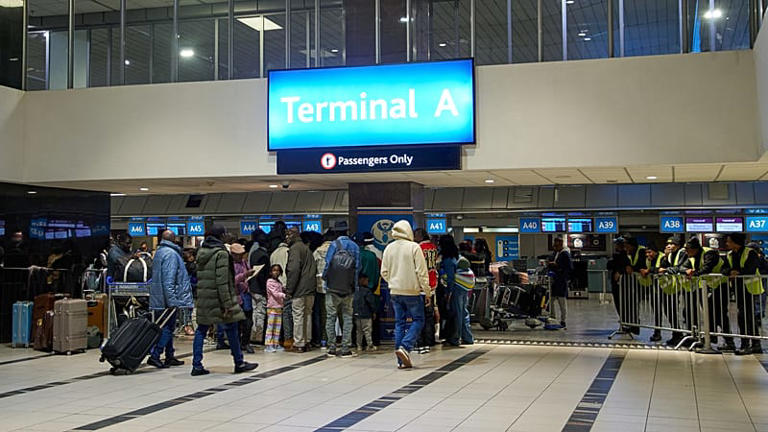
Nigeria has started the process of repatriating more than 1,000 of its citizens from South Africa as concerns mount over anti-immigrant tensions and growing uncertainty surrounding migration policies.
The voluntary repatriation initiative comes at a sensitive time for both countries, with debates around immigration, unemployment, and social cohesion once again dominating public discourse across South Africa.
Officials from Nigeria’s foreign ministry confirmed that screening procedures for the programme began this week, paving the way for eligible citizens to return home through organised repatriation flights.
Voluntary Return Programme Targets Nigerian Nationals
According to Nigerian authorities, the repatriation process is voluntary and aimed at citizens who wish to return home amid increasing concerns about their future in South Africa.
In a communication issued by the Nigerian High Commission in Pretoria, officials indicated that discussions had taken place with South African authorities to facilitate the departure of participants.
The mission stated that waivers had been negotiated for individuals facing immigration-related offences, allowing them to leave the country through the repatriation programme rather than face detention while arrangements are being finalised.
The initiative reflects growing concern among some African governments about the safety and wellbeing of their citizens residing abroad during periods of social and political tension.
Rising Immigration Tensions Fuel Concerns
The announcement follows renewed debates around immigration in South Africa, where frustrations linked to unemployment, crime, service delivery challenges, and economic pressures have increasingly been directed toward foreign nationals.
South Africa remains one of Africa’s most industrialised economies and has historically attracted migrants from across the continent seeking employment, business opportunities, education, and improved living conditions.
However, persistent economic challenges have intensified public discussions around immigration.
With unemployment remaining above 30%, many communities continue to experience economic hardship, creating conditions in which migration issues often become politically and socially contentious.
Recent demonstrations and anti-immigration campaigns have further heightened concerns among foreign nationals living in the country.
Regional Governments Monitoring Developments
Nigeria is not the first African nation to facilitate the return of its citizens from South Africa in recent months.
The latest move follows similar efforts by Ghana, which assisted hundreds of its nationals who chose to leave amid concerns about escalating tensions and isolated incidents of violence targeting foreign nationals.
These developments have reignited broader discussions across the continent about migration management, regional integration, and the practical challenges facing African countries as they seek to balance freedom of movement with domestic economic concerns.
The situation has also raised questions about how African governments can better protect citizens living and working outside their home countries during periods of uncertainty.
Government Urges Lawful Enforcement and Calm
South African authorities have repeatedly stressed that immigration laws will continue to be enforced through legal channels and state institutions.
Government officials have also urged communities not to take enforcement matters into their own hands, warning that vigilantism and unlawful actions undermine the rule of law.
Law enforcement agencies have recently intensified operations targeting undocumented migrants, but authorities maintain that all actions must comply with constitutional and legal standards.
At the same time, officials continue to emphasise the importance of maintaining social stability and preventing violence against foreign nationals.
South Africa Remains a Major Destination for Migrants
Despite ongoing tensions, South Africa continues to host one of the largest migrant populations on the continent.
According to official statistics, more than three million foreign nationals currently reside in the country, representing approximately 5.1% of the population.
A significant majority originate from countries within the Southern African Development Community (SADC), reflecting strong regional migration patterns driven by economic and social ties.
Migration experts note that many sectors of the economy, including agriculture, hospitality, construction, logistics, and domestic services, have long relied on migrant labour.
This reality makes immigration policy a complex issue that intersects with economic growth, labour markets, border management, and regional diplomacy.
A Growing Continental Debate
The decision by Nigeria to facilitate the voluntary return of more than 1,000 citizens underscores the broader challenges facing African nations as migration continues to increase across borders.
While governments seek to promote regional integration and strengthen economic cooperation, many countries are simultaneously grappling with domestic pressures related to unemployment, public services, and economic inequality.
As discussions continue, policymakers across the continent are likely to face increasing pressure to develop balanced migration frameworks that protect national interests while safeguarding the rights and dignity of migrants.
For South Africa, the coming weeks will be closely watched as authorities seek to maintain public order, enforce immigration laws, and prevent the recurrence of violence that has marred previous periods of heightened tension.