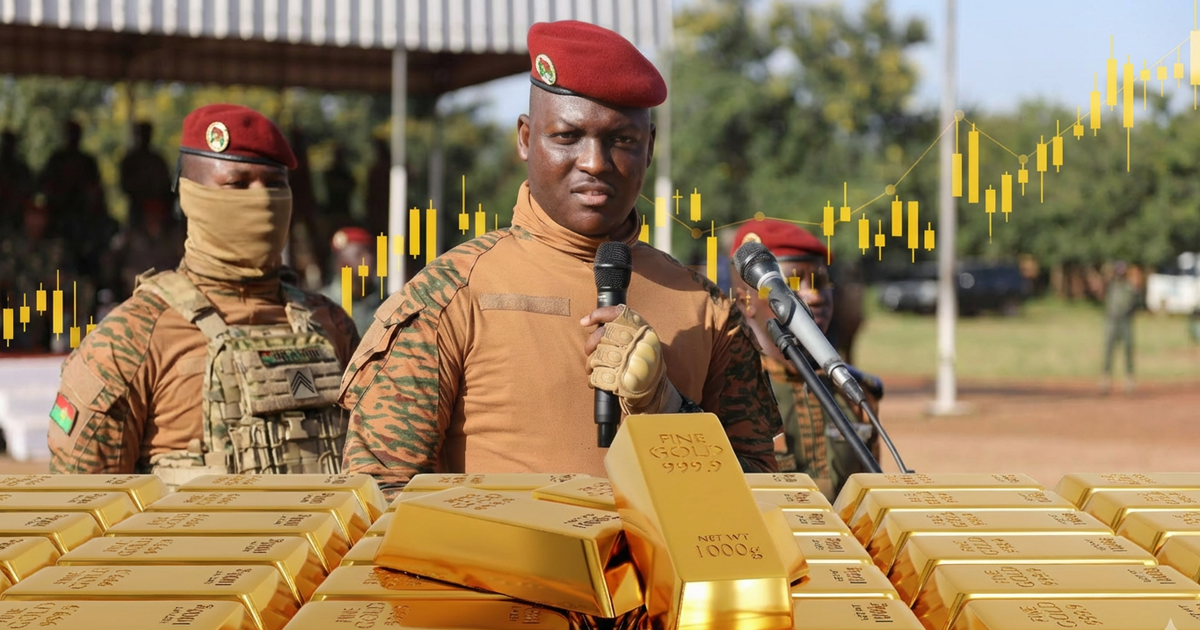
Burkina Faso has reported that more than $6 billion worth of gold flowed through its official mining system during the first six months of 2026, highlighting the country’s determination to tighten oversight of one of Africa’s most valuable natural resources.
The milestone reflects an ambitious government strategy to formalise artisanal mining, reduce illicit gold trading and increase state participation in an industry that remains a cornerstone of the national economy. By expanding official procurement channels and strengthening regulatory controls, authorities aim to ensure that a greater share of the country’s mineral wealth contributes directly to economic development.
More Than 55 Tonnes of Gold Processed Officially
The figures were presented during the mid-year review of Energy, Mines and Quarries Minister Yacouba Zabré Gouba’s 2026 performance contract, where the ministry reported an implementation rate of 61.7% by the end of June.
According to government data:
- Industrial mining operations produced 26 tonnes of refined gold during the first half of the year.
- The National Precious Substances Company (SONASP) purchased approximately 29 tonnes from artisanal and semi-mechanised miners.
- Combined, more than 55 tonnes of gold entered official production and procurement channels between January and June 2026.
With international gold prices hovering around $3,400 per troy ounce, the combined output is estimated to be worth more than $6 billion, reinforcing Burkina Faso’s position among Africa’s leading gold-producing nations.
Formalising Artisanal Mining Remains a National Priority
A significant portion of Burkina Faso’s mining reforms has focused on integrating artisanal and small-scale miners into the formal economy.
Unlike industrial mining companies, which report production directly to government regulators, many small-scale operators have historically sold gold through informal markets. That has made it difficult for authorities to accurately measure production, collect revenue and combat cross-border smuggling.
Under the current framework, SONASP purchases gold from licensed artisanal and semi-mechanised miners, creating an official supply chain that improves traceability while allowing government to capture greater economic value from domestic production.
Officials believe the approach will strengthen investor confidence and provide more reliable production data over the long term.
Tackling Smuggling and Improving Transparency
The latest production figures also reflect Burkina Faso’s broader campaign to improve governance within the mining sector.
Authorities have introduced several initiatives aimed at tightening oversight, including:
- Expanding state participation in gold procurement.
- Establishing new mining cooperatives.
- Creating designated mining corridors.
- Increasing monitoring and enforcement activities.
- Strengthening systems designed to curb illegal gold exports.
These measures are intended to reduce the volume of gold leaving the country through unofficial channels while improving accountability throughout the mining value chain.
Gold Continues to Drive Economic Growth
Gold remains Burkina Faso’s most important export commodity and a major source of government revenue.
The country’s mining sector has become increasingly significant as global demand for bullion continues to rise. Ongoing geopolitical uncertainty, sustained central bank purchases and investor demand for safe-haven assets have helped maintain historically high gold prices throughout 2026.
For Burkina Faso, stronger prices combined with improved production reporting have increased the strategic importance of ensuring that more locally mined gold enters official markets rather than illicit trading networks.
Challenges Still Remain
While the latest figures indicate meaningful progress, analysts note that formalising artisanal mining remains a long-term process.
The sector continues to employ hundreds of thousands of people, many operating in remote regions where regulation and enforcement can be difficult. Expanding formal participation will require continued investment in licensing systems, infrastructure, security and support for small-scale miners.
Maintaining transparent procurement processes and ensuring communities benefit from mining revenues will also be critical to sustaining confidence in the government’s reform agenda.
Outlook for the Rest of 2026
With SONASP already procuring 29 tonnes against a full-year target of 45 tonnes, Burkina Faso appears well positioned to exceed expectations if current production trends continue.
Officials are expected to maintain their focus on increasing formal gold purchases, reducing illicit trade and strengthening oversight across both industrial and artisanal mining.
Should these reforms continue to deliver results, Burkina Faso could further cement its status as one of Africa’s most strategically important gold producers while generating greater public revenue from one of its most valuable natural resources.