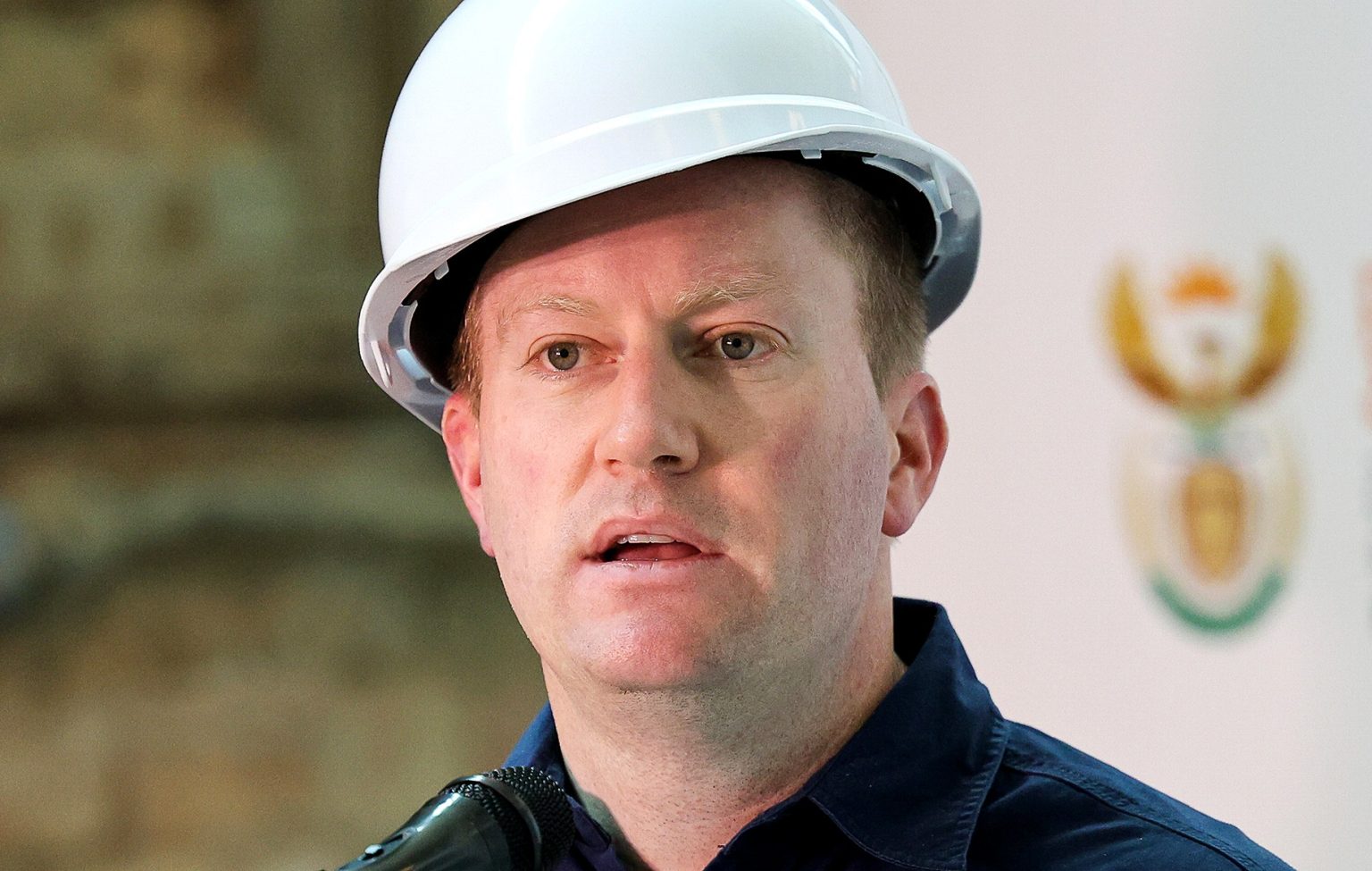
Minister of Public Works and Infrastructure Dean Macpherson has ordered a comprehensive investigation into 6,238 state-owned residential properties occupied by government officials, signalling what could become one of the most significant reviews of the state’s property portfolio in recent years.
- Review to examine who occupies each property
- KwaZulu-Natal accounts for the majority of government houses
- Maintenance costs under scrutiny
- Compliance with housing and financial regulations
- Minister questions continued ownership of official residences
- Surplus properties could be sold
- Why the review matters
The review aims to determine whether these homes continue to serve a legitimate operational purpose or whether surplus properties should be sold to reduce government expenditure and improve the management of public assets.
The directive comes as government departments face increasing pressure to improve efficiency, reduce wasteful spending and ensure taxpayers receive value from state-owned assets.
Review to examine who occupies each property
Macpherson has instructed the Department of Public Works and Infrastructure’s Director-General, Sifiso Mdakane, to conduct a detailed assessment of every residential property owned by the state.
The investigation will determine:
- Who currently occupies each property.
- Why the property was originally allocated.
- Whether the accommodation is still operationally required.
- Whether the property should be retained, repurposed or sold.
- Whether existing governance and allocation policies have been properly followed.
The Director-General has been given 30 days to submit a report outlining the findings and recommendations.
KwaZulu-Natal accounts for the majority of government houses
According to departmental figures, the state owns 6,238 residential properties allocated to government officials across South Africa.
The largest concentration is in KwaZulu-Natal, which accounts for 3,626 properties.
Other provinces include:
| Province | State-owned residential properties |
|---|---|
| KwaZulu-Natal | 3,626 |
| Western Cape | 566 |
| Gauteng | 407 |
The remaining properties are spread across the country’s other provinces.
Because KwaZulu-Natal represents well over half of the portfolio, Macpherson has requested a particularly detailed assessment of properties located there.
Maintenance costs under scrutiny
The review will also examine the financial burden associated with maintaining these properties.
Departmental records indicate that approximately R39.6 million was spent from the Day-to-Day Maintenance budget during the 2025/26 financial year.
However, available expenditure records reportedly relate to only 108 properties, raising questions about the completeness of maintenance reporting across the wider portfolio.
The investigation is expected to establish whether maintenance expenditure has been properly recorded and whether additional oversight measures are required.
Compliance with housing and financial regulations
Beyond occupancy and maintenance, officials will assess whether the management of state-owned housing complies with key legislation governing public assets.
The investigation will examine compliance with:
- The Government Immovable Asset Management Act.
- The Public Finance Management Act (PFMA).
- National Treasury regulations.
Officials will also determine:
- Whether rentals charged to occupants reflect market-related values.
- Whether any deviations from policy received the necessary approvals.
- Whether housing allocations complied with governance requirements.
- Whether tax obligations and housing benefit rules were correctly applied.
Particular attention will be given to residences occupied by officials within the Department of Public Works and Infrastructure itself.
Minister questions continued ownership of official residences
Macpherson said government should reconsider whether it remains appropriate for the state to own thousands of residential properties for officials, particularly where many public servants already receive housing allowances or other accommodation-related benefits.
“It is my view that the state should not own more than 6,000 residential properties for government officials, particularly when many officials already receive housing allowances, subsidies or other housing-related benefits as part of their remuneration packages,” he said.
The minister argued that public funds should not continue supporting properties that no longer serve an operational purpose.
“Unless there is a clear and compelling operational reason for the state to retain a residential property, it should be sold.”
He added that the government cannot indefinitely carry the costs of maintenance, municipal rates and other expenses while public finances remain under pressure.
Surplus properties could be sold
One of the key objectives of the review is identifying properties that are underutilised or no longer necessary for government operations.
According to Macpherson, those assets should be removed from the state’s property portfolio through a transparent and legally compliant disposal process.
Revenue generated from property sales could reduce maintenance liabilities while allowing government to redirect resources toward infrastructure projects and public assets that directly improve service delivery.
Why the review matters
South Africa’s government owns one of the country’s largest property portfolios, ranging from office buildings and schools to hospitals, police stations and residential accommodation.
Effective management of these assets has become increasingly important as fiscal pressures limit available public spending.
The investigation ordered by Macpherson represents more than an audit of government housing. It reflects a broader effort to improve asset management, strengthen accountability and ensure that state-owned property delivers measurable public value.
Should the review identify significant numbers of surplus or underutilised properties, government could embark on one of its largest residential asset disposal programmes in recent years.
The findings of the Director-General’s report are therefore expected to play an important role in shaping future policy on government-owned residential accommodation.