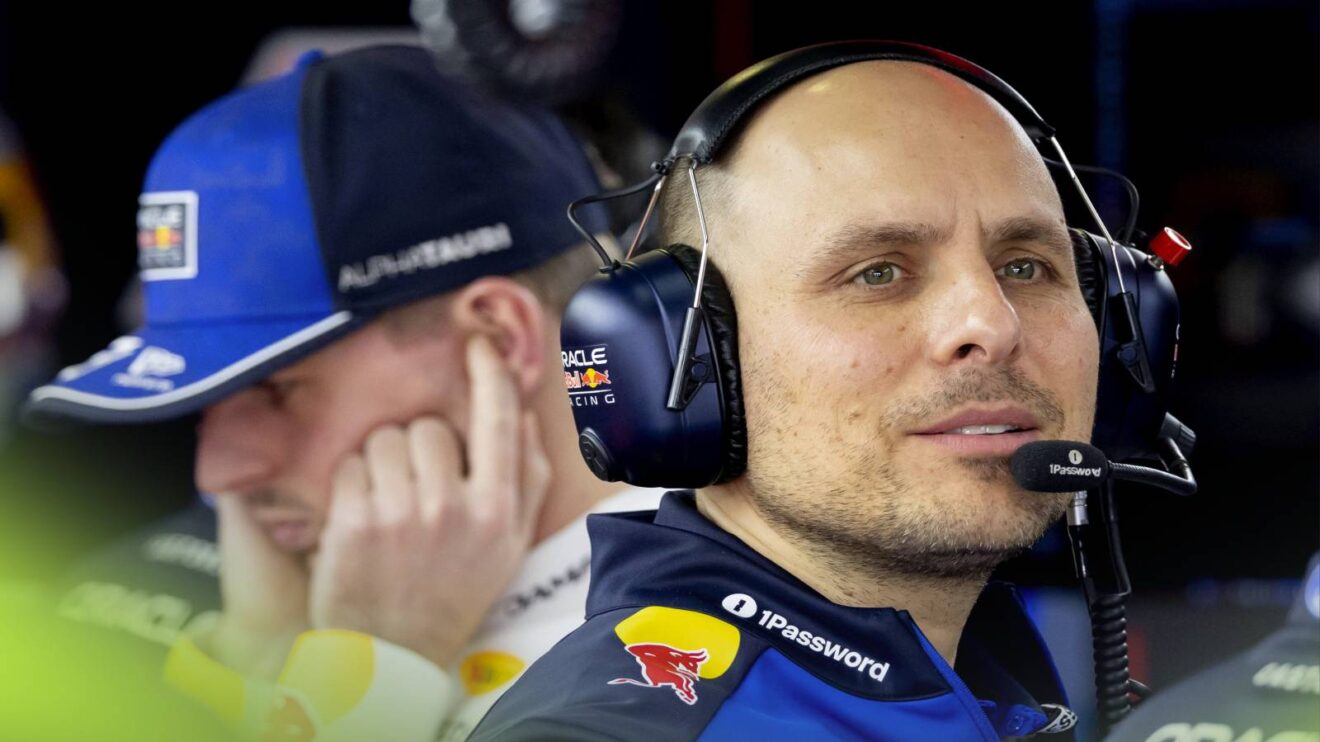
A major shift is brewing in Formula 1 as Gianpiero Lambiase, the long-time race engineer of Max Verstappen, prepares to leave Red Bull Racing for a future role at McLaren.
The move, confirmed by multiple high-level sources, signals a significant transition behind the scenes—one that could reshape the competitive balance in Formula 1 over the coming years.
While the switch is not expected to happen immediately, reports suggest Lambiase could join McLaren as late as 2028, once his current contract with Red Bull expires.
A Decade-Long Partnership Nears Its End
Lambiase has been a central figure in Verstappen’s meteoric rise, working alongside the Dutch driver since his promotion to Red Bull’s senior team in 2016.
Their partnership has become one of the most successful engineer-driver pairings in modern Formula 1, contributing to multiple world championships and establishing Verstappen as a dominant force on the grid.
Beyond race-day strategy, Lambiase’s influence extended into team leadership. He was promoted to Head of Race Engineering in 2022 and later elevated to Head of Racing in 2024, while still serving as Verstappen’s primary voice over team radio.
What Role Awaits at McLaren?
Although the exact role remains unclear, early speculation suggested Lambiase could replace Andrea Stella as team principal at McLaren.
However, sources now indicate that Stella’s position is secure, with Lambiase more likely to take on a senior operational or engineering leadership role within the Woking-based outfit.
This could see him working closely with McLaren’s growing leadership structure, which already includes key figures like Rob Marshall and Will Courtenay—both former Red Bull personnel.
The move appears strategic rather than disruptive, strengthening McLaren’s technical depth rather than triggering a leadership overhaul.
Red Bull Undergoing Wider Structural Changes
Lambiase’s expected departure comes during a period of notable internal change at Red Bull.
Following the exit of long-time team principal Christian Horner last year, the team has undergone a leadership reshuffle. Laurent Mekies has since taken over the role, appointed under the direction of Red Bull corporate leadership.
The changes have extended beyond senior management. Long-serving mechanic Ole Schack has also resigned after more than two decades, reportedly citing a shift in team culture.
Additionally, the departure of veteran advisor Helmut Marko marks the gradual end of an era that began under Red Bull co-founder Dietrich Mateschitz.
Verstappen’s Future: Stability or Uncertainty?
Despite Lambiase’s importance to Verstappen’s success, early indications suggest the move will not directly influence the driver’s long-term future.
The Dutch champion has previously emphasised the value of his relationship with Lambiase, even hinting that it played a role in his commitment to the sport. However, insiders believe Verstappen’s career decisions will remain independent of this change.
Still, the symbolic weight of the split cannot be ignored. In Formula 1, driver-engineer relationships are often as critical as car performance—built on trust, communication, and split-second decision-making under pressure.
McLaren’s Strategic Gain
For McLaren, securing a figure like Lambiase represents a major coup.
The team has been steadily rebuilding its competitiveness, and adding one of the sport’s most respected engineers could accelerate its push towards consistent championship contention.
By reuniting Lambiase with former Red Bull colleagues, McLaren appears to be assembling a high-performance structure designed to challenge the sport’s dominant teams over the long term.
Analysis: A Quiet Move With Big Consequences
While the delayed nature of the move may soften its immediate impact, the long-term implications are significant.
Red Bull is undergoing a generational transition, both in leadership and technical personnel. At the same time, McLaren is positioning itself as a serious contender by investing in elite talent.
The shift also reflects a broader trend in Formula 1: success is no longer just about drivers or cars—it’s about building the right ecosystem of expertise.
What Happens Next?
As the 2026 season approaches, attention will remain on:
- How Red Bull restructures its engineering leadership
- Whether Verstappen’s performance or strategy evolves without long-term continuity
- McLaren’s continued recruitment of top-tier talent
- The timing and final confirmation of Lambiase’s role
For now, one thing is clear: a defining partnership in Formula 1 is approaching its final chapter—and the ripple effects could reshape the grid for years to come.