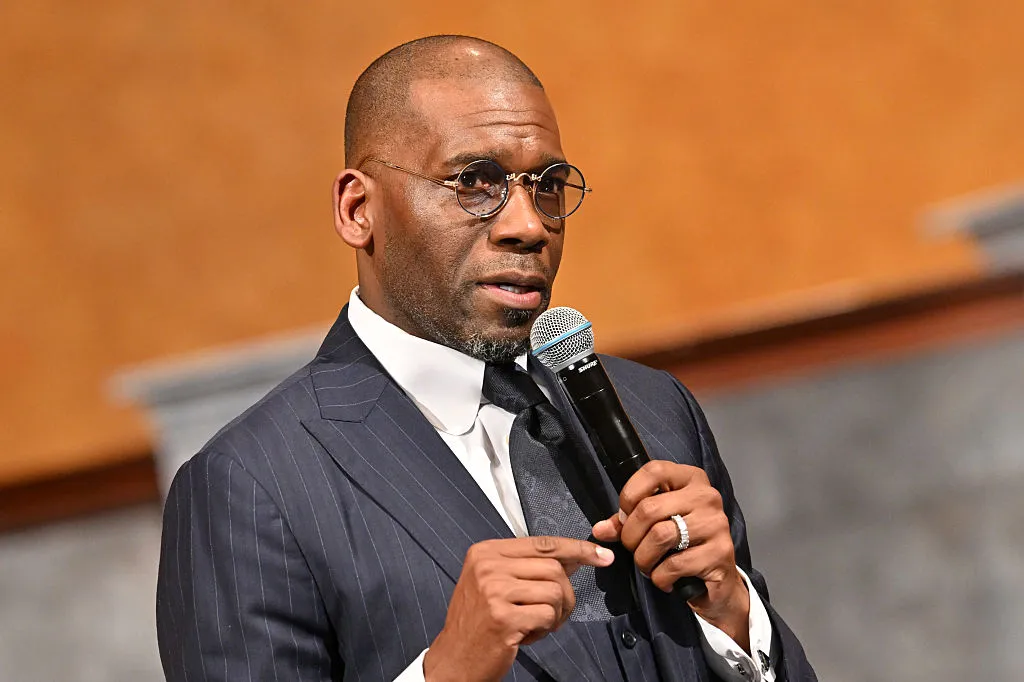
The controversy surrounding Netflix’s The Roast of Kevin Hart continues to intensify after prominent pastor and activist Jamal Bryant publicly condemned the comedy special, arguing that several jokes went too far.
Bryant criticised the roast in a social media post shared on 12 May, describing the show as “disrespect dressed as jokes” amid growing debate around offensive humour, race, trauma and the limits of comedy in modern entertainment.
His comments have added fresh momentum to an already polarising discussion surrounding the high-profile Netflix event.
Roast Special Sparks Backlash
The Roast of Kevin Hart was designed as a celebrity-filled comedy roast celebrating comedian and actor Kevin Hart.
However, the special quickly drew criticism online after several jokes referenced deeply sensitive subjects, including:
- Slavery
- Racism
- Suicide
- Sexual assault
- Police violence
- George Floyd
One of the most heavily criticised moments involved jokes directed at Sheryl Underwood concerning her late husband’s suicide.
While roast comedy traditionally pushes boundaries, critics argued that parts of the special crossed into unnecessarily harmful territory rather than satire or playful insult comedy.
Jamal Bryant: ‘In This Climate, It Cannot Go Unchecked’
Bryant’s remarks reflected broader frustration among viewers who felt the special normalised offensive humour under the banner of comedy.
In his post, Bryant argued that failing to challenge such material effectively condones it.
His criticism arrives during a period where conversations around accountability in entertainment, race representation and media sensitivity remain highly charged globally.
The pastor’s comments resonated widely online, particularly among users debating whether roast culture still fits within evolving audience expectations.
Other Comedians Also Express Concern
Bryant is not alone in criticising the special.
Several entertainers and commentators reportedly questioned some of the material used during the roast, including concerns raised by comedians such as:
- Michael Che
- Lil Rel Howery
Critics argued that while edgy humour has always been central to roast comedy, references involving trauma and personal tragedy may alienate audiences rather than entertain them.
Others defended the special as part of a longstanding comedy tradition built on shock value and aggressive humour.
Sheryl Underwood Responds to Controversy
Interestingly, Sheryl Underwood herself later downplayed the outrage surrounding the jokes aimed at her.
Speaking publicly after the event, Underwood suggested comedy often serves as a way to confront uncomfortable subjects through humour.
She also questioned whether increasing political correctness risks limiting comedic freedom.
Her response complicated the public debate, with some viewers arguing that intent and audience context matter in comedy, while others maintained that certain topics should remain off-limits regardless of intent.
Netflix Special Featured Major Celebrity Line-Up
Despite the backlash, the special attracted enormous attention due to its high-profile celebrity roster.
The roast included appearances from figures such as:
- Tom Brady
- Usher
- Katt Williams
- Chelsea Handler
- Jeff Ross
- Dwayne Johnson
The special closed out Netflix’s Netflix Is a Joke Fest and generated widespread online discussion across entertainment and social media platforms.
Debate Over Comedy Boundaries Continues
The backlash surrounding The Roast of Kevin Hart reflects a broader global debate over where comedy boundaries should exist in an era of instant viral reactions and heightened social awareness.
Some argue comedy must remain unrestricted to preserve artistic freedom and social commentary.
Others believe comedians and streaming platforms carry responsibility for how certain groups, traumas and social issues are portrayed — especially when content reaches massive global audiences.
Entertainment analysts say the controversy highlights how audience expectations around humour are shifting, particularly within diverse online communities where cultural sensitivity and representation are increasingly scrutinised.
Final Word
Jamal Bryant’s criticism of Netflix’s Kevin Hart roast has amplified a conversation that stretches far beyond a single comedy special.
At the centre of the debate is a question modern entertainment continues to wrestle with: when does edgy humour stop being comedy and start becoming harmful?
As streaming platforms compete for attention with increasingly provocative content, that debate is unlikely to disappear anytime soon.