Former uMkhonto weSizwe Party (MKP) member of Parliament Gezane Kobane has publicly detailed the reasons behind his dramatic resignation from the party, accusing internal figures of undermining him while leadership allegedly failed to intervene.
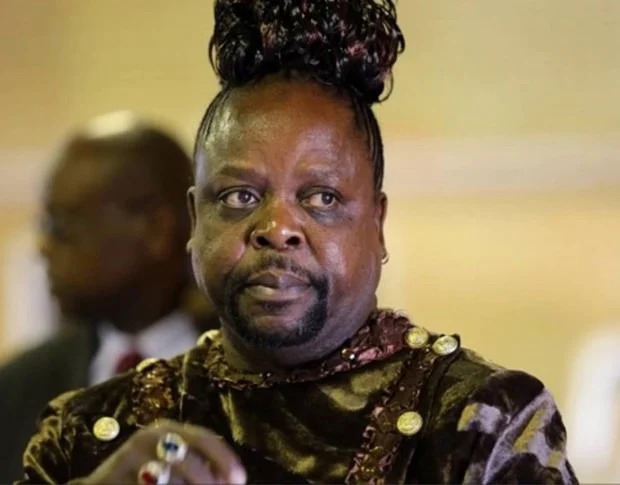
Popularly known as Papa Penny, the veteran musician confirmed that he has now aligned himself with the Afrika Mayibuye Movement, a political formation associated with former Economic Freedom Fighters secretary-general Floyd Shivambu.
His departure adds to growing political tensions and shifting alliances within South Africa’s increasingly fragmented opposition landscape.
Papa Penny claims “spies” operated within MK Party structures
Speaking during an interview with Newzroom Afrika, Papa Penny said his frustrations stemmed from what he described as sustained internal attacks allegedly linked to ANC-aligned operatives within MKP structures in Limpopo.
According to him, repeated warnings to party leadership about alleged infiltration and sabotage went unanswered.
“I never fought with President Zuma or national leaders,” he said during the interview.
“The people fighting me were comrades working under the ANC. I warned the leadership that these people were spies trying to destroy MKP from inside, but nothing was done.”
While the allegations have not been independently verified, they reflect the deep mistrust and factional tensions that have increasingly surfaced inside newer political movements ahead of local government elections.
Resignation letter points to internal betrayal
Papa Penny said he initially joined the MK Party because he believed it represented a genuine platform for ordinary South Africans and grassroots political change.
However, he claimed the internal environment eventually became unbearable.
In a resignation letter addressed to former president Jacob Zuma, the musician expressed disappointment over what he described as betrayal from within party ranks.
“I could stomach such behaviour if it came from enemies of the revolution,” he reportedly wrote.
“But when it comes from within our own ranks, it becomes impossible to ignore.”
The comments suggest that his split from the party may have been driven less by ideological disagreements and more by internal organisational conflict.
Shift to Afrika Mayibuye Movement signals new political chapter
Despite leaving MKP, Papa Penny has made it clear that he is not stepping away from politics.
He has now been announced as the Afrika Mayibuye Movement’s mayoral candidate for the Greater Giyani Municipality ahead of the upcoming local government elections.
The move could prove politically significant in Limpopo, where local personalities and influential community figures often play a major role in shaping voter sentiment.
The Afrika Mayibuye Movement, linked to Shivambu following his fallout with the EFF, is positioning itself as an alternative political force aimed at attracting disillusioned voters from multiple parties.
Political analysts say the recruitment of recognisable figures such as Papa Penny may form part of a broader strategy to build grassroots visibility quickly before elections.
Internal instability continues to shadow MKP
Papa Penny’s resignation comes as the MK Party continues navigating internal disputes, leadership tensions and organisational restructuring following its rapid rise in South African politics.
The party, strongly associated with Zuma, made major gains during the 2024 national elections and reshaped parts of the country’s political landscape, particularly in KwaZulu-Natal.
However, internal battles, public disagreements and accusations of factionalism have continued to generate headlines.
Observers say newer political formations often face difficulties balancing rapid expansion with stable organisational structures, especially when prominent personalities and regional factions compete for influence.
Celebrity politics remains powerful in South Africa
Papa Penny’s continued political relevance also highlights the enduring influence of celebrity figures in South African politics.
Over the years, musicians, actors and public personalities have increasingly leveraged their public recognition to build political influence, especially at local government level where community visibility can significantly affect campaigns.
In Limpopo, Papa Penny remains a well-known cultural figure with longstanding popularity among many rural and township communities.
Whether that popularity translates into electoral success for the Afrika Mayibuye Movement remains to be seen.
Conclusion
Papa Penny’s departure from the MK Party adds another layer to South Africa’s evolving political landscape ahead of local elections. While he insists his resignation was driven by internal sabotage and ignored concerns, his move to Floyd Shivambu’s Afrika Mayibuye Movement signals that competition for political influence in provinces like Limpopo is only intensifying.