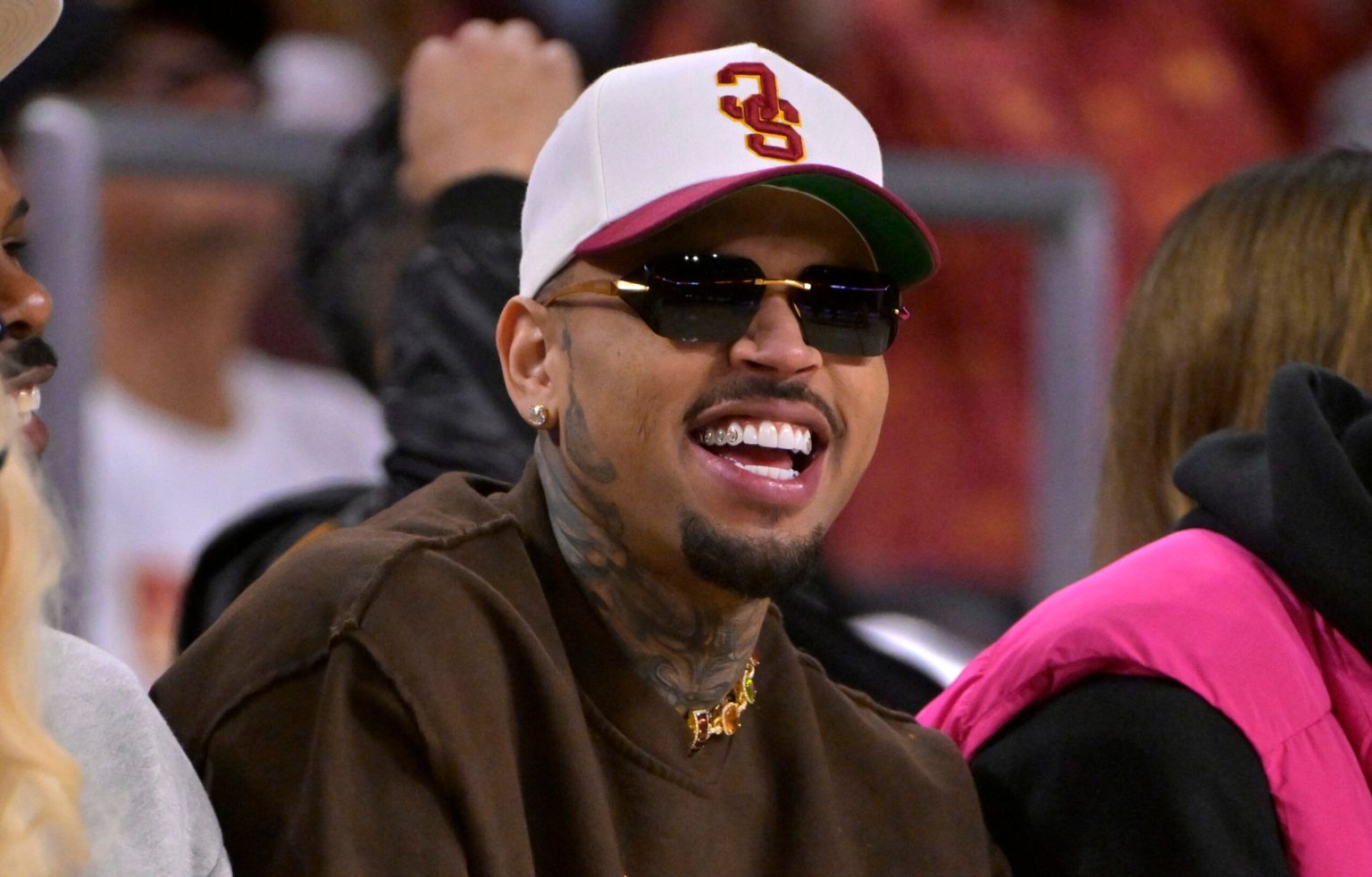
R&B superstar Chris Brown has reached a settlement in a lawsuit that accused him and his music publisher of failing to compensate a songwriter who claimed to have contributed to two commercially successful songs.
Court documents filed on 8 June indicate that Brown and Universal Music Publishing Group have agreed in principle to settle claims brought by songwriter Steve Chokpelle.
While the parties have informed the court that an agreement has been reached, the financial terms and conditions of the settlement have not been made public.
The resolution means Brown and his publisher are expected to exit the legal dispute, avoiding a potentially lengthy court battle over songwriting rights and royalty payments.
The Songs at the Centre of the Dispute
The lawsuit centred on two songs that achieved significant commercial success.
One was Monalisa, which gained popularity within the Afrobeats genre and secured a place among the top-performing songs on U.S. Afrobeats charts in 2022.
The second was Sensational, a standout track from Brown’s 2023 album 11:11 that went on to top major R&B and hip-hop radio charts.
According to court filings, Chokpelle alleged that despite his contributions to both songs, he had not received any revenue from their commercial success.
The songwriter argued that the songs generated substantial financial returns, industry recognition, and commercial value while he remained uncompensated.
Allegations of Unpaid Royalties
In the lawsuit filed earlier this year, Chokpelle claimed that his creative contributions were never properly recognised through songwriting credits or royalty payments.
He alleged that Brown and the publisher continued to benefit from the songs’ success while excluding him from compensation arrangements.
The legal action sought recognition of authorship interests and a share of royalties generated through streaming, sales, licensing, and other commercial uses.
The case highlighted a broader issue that has become increasingly common within the music industry, where disputes over songwriting contributions and publishing rights frequently emerge after songs achieve significant success.
How the Songs Were Allegedly Created
According to court documents, Chokpelle claimed that his involvement with “Monalisa” dates back to a recording session in 2020.
He alleged that he wrote lyrics for the track during a creative session involving Brown and fellow artist Sean Kingston at Brown’s California residence.
The lawsuit further claimed that Chokpelle later contributed lyrics for “Sensational” during a 2023 writing session with producer Onyekachi Emenalo, professionally known as Krazytunez.
Those allegations formed the basis of his claim that he should have been recognised as a co-writer and compensated accordingly.
Brown’s Legal Team Challenged the Claims
Before the settlement was reached, attorneys representing Brown and Universal Music Publishing Group had sought to have the lawsuit dismissed.
Court filings submitted on behalf of the defendants argued that the claims faced several legal obstacles, including issues related to time limits and other procedural deficiencies.
The motion to dismiss remained pending before the court when settlement negotiations resulted in an agreement between the parties.
Because the case was resolved before a judicial determination, the court did not rule on the merits of Chokpelle’s allegations or the defendants’ legal arguments.
Sean Kingston Claims Remain Active
Although the settlement resolves the dispute involving Brown and Universal Music Publishing Group, it does not conclude all aspects of the lawsuit.
Claims against Sean Kingston remain outstanding.
Court records indicate that Kingston has not yet formally responded to the allegations contained in the lawsuit.
The unresolved claims mean portions of the legal matter could continue independently of Brown’s settlement.
Growing Importance of Songwriting Rights in the Streaming Era
The dispute reflects the increasing value of songwriting and publishing rights within today’s music industry.
As streaming services continue to dominate music consumption, publishing royalties have become a critical source of income for songwriters, producers, and artists.
Industry experts note that disputes over ownership and compensation have become more common as successful songs generate revenue from multiple channels, including streaming platforms, radio airplay, licensing deals, and social media usage.
The settlement also serves as a reminder of the importance of documenting creative contributions during recording sessions, particularly when multiple writers and producers collaborate on commercially valuable projects.
What Happens Next?
With a settlement now in place, attention will turn to the finalisation of the agreement and the formal dismissal of claims against Brown and Universal Music Publishing Group.
While the details remain confidential, the resolution allows all parties to avoid the uncertainty, costs, and publicity associated with prolonged litigation.
For Brown, the settlement removes a legal distraction while he continues his music career. For Chokpelle, it potentially brings closure to a dispute over recognition and compensation for work he claims contributed to two successful recordings.
The remaining claims against Sean Kingston will determine whether the broader legal battle has fully concluded.