
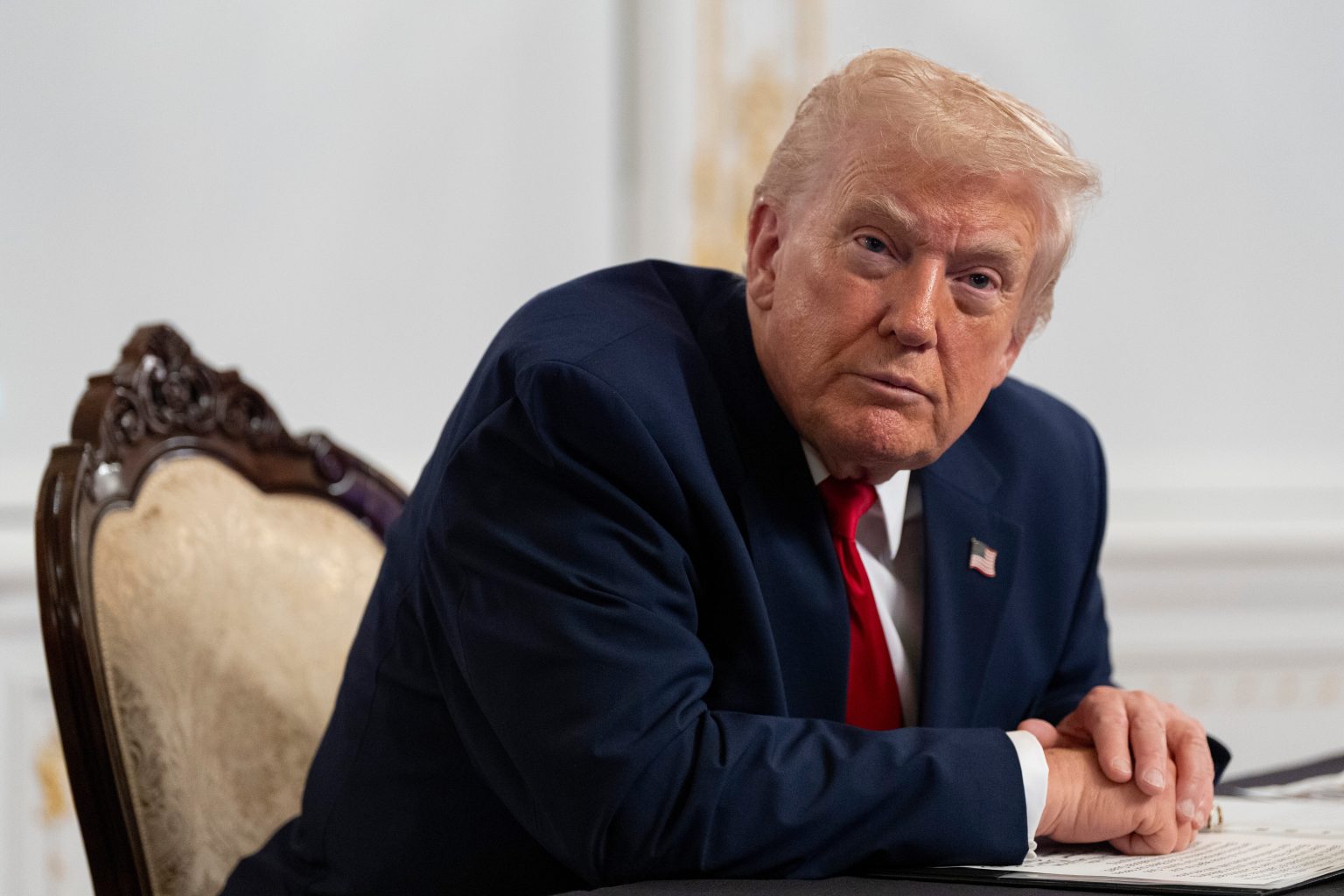
Global tensions have surged after Donald Trump announced that the United States Navy will begin blockading vessels in the strategically critical Strait of Hormuz.
The directive signals a major escalation in the ongoing standoff with Iran, with potential consequences for global trade, energy markets, and regional security.
US Navy Ordered to Intercept Ships Linked to Iran
In a series of public statements, Trump confirmed he had instructed the US Navy to intercept and inspect vessels in international waters, specifically targeting ships that have reportedly paid transit fees to Iran.
The move appears aimed at countering Tehran’s attempts to control passage through the Strait of Hormuz, where it has allegedly imposed tolls on commercial shipping.
Trump further indicated that US forces would begin clearing naval mines believed to have been deployed in the waterway—an operation that could significantly increase the risk of direct confrontation.
Strong Warnings Signal Potential Military Confrontation
The US president issued unusually forceful warnings, stating that any Iranian action against US forces or commercial vessels would be met with overwhelming military response.
He also reiterated Washington’s long-standing position on Iran’s nuclear ambitions, insisting that the country would not be allowed to develop nuclear weapons.
The rhetoric marks one of the most aggressive public stances in recent months, raising concerns among analysts about the potential for rapid escalation.
Strategic Importance of the Strait of Hormuz
The Strait of Hormuz is one of the world’s most vital maritime chokepoints, with a significant portion of global oil shipments passing through the narrow corridor.
Any disruption to traffic in the region can have immediate global consequences, including:
- Rising oil and fuel prices
- Supply chain disruptions
- Increased geopolitical instability
For countries like South Africa, which rely heavily on imported fuel, sustained disruption could translate into higher petrol and diesel costs.
Global Implications and Market Risks
The announcement comes amid already heightened tensions involving Iran, Israel, and the United States.
A naval blockade—particularly one targeting commercial vessels—could:
- Trigger retaliatory action from Iran
- Draw in regional and global powers
- Disrupt international shipping norms
- Increase insurance and transport costs for shipping companies
Markets are likely to react swiftly, with oil prices expected to rise if the situation deteriorates further.
Legal and Diplomatic Questions Raised
The move also raises complex legal questions under international maritime law, particularly regarding freedom of navigation in international waters.
Interdicting vessels that have complied with another state’s demands could spark disputes under global frameworks governing shipping and trade.
Diplomatic fallout is also expected, especially from countries whose vessels may be affected by the enforcement measures.
What Happens Next?
Key developments to watch include:
- Iran’s response to US naval actions
- Whether commercial shipping routes remain open
- Reactions from global powers and international organisations
- Impact on oil prices and global markets
As the situation unfolds, the Strait of Hormuz is once again at the centre of a high-stakes geopolitical confrontation—one that could reshape global trade dynamics in the coming weeks.