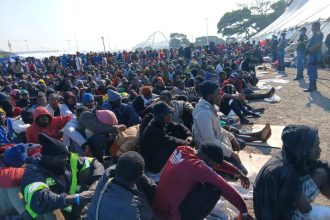
South Africa’s planned response to upcoming immigration-related protests has become a flashpoint in an already heated national debate after government announced a R600 million security allocation aimed at maintaining public order during demonstrations.
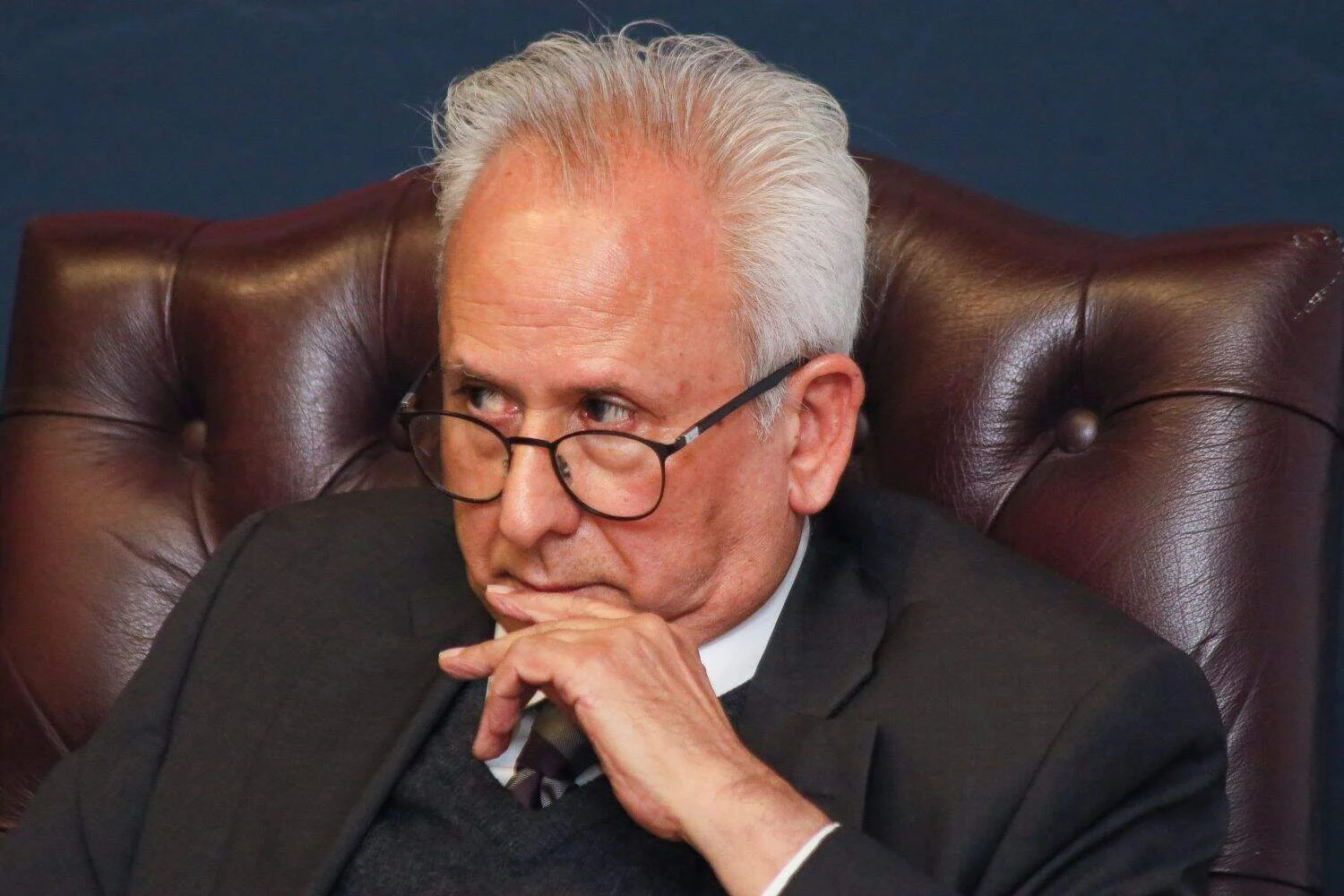
The funding announcement, made during a briefing by Police Minister Firoz Cachalia, has generated strong reactions from political organisations, civic groups and members of the public, many of whom believe the country’s immigration challenges require more direct intervention rather than increased spending on security operations.
The controversy comes at a time when immigration enforcement, border management and undocumented migration have become some of the most discussed issues in South African politics.
Immigration Debate Reaches New Tipping Point
At the centre of the latest dispute is the growing influence of the March and March movement, a grassroots organisation advocating for stricter enforcement of immigration laws and the removal of undocumented foreign nationals from South Africa.
The movement has attracted significant public attention amid growing concerns over unemployment, pressure on public services, crime and economic challenges facing many communities.
Its leaders argue that government should prioritise stronger border security, faster deportation processes and improved immigration enforcement rather than spending large sums on managing protests.
The planned demonstrations are expected to draw participants from multiple provinces and could become one of the largest immigration-focused public actions seen in recent years.
Critics Question Government Priorities
The announcement has prompted criticism from various sectors, with opponents arguing that the allocation reflects misplaced priorities during a period of economic strain.
Some community activists and social media users have questioned whether resources could be more effectively directed toward strengthening border management systems, increasing immigration enforcement capacity or addressing broader socio-economic challenges.
The criticism reflects wider public frustration over persistent concerns surrounding illegal immigration, unemployment and service delivery.
Political analysts note that immigration has increasingly become a politically sensitive issue as economic pressures continue to affect households across the country.
Political Parties Enter the Debate
The controversy has also drawn responses from political figures who argue that immigration policy has become a major concern for voters.
Several political leaders have linked immigration challenges to broader concerns around employment opportunities, public safety and state capacity.
Among the concerns raised is whether South Africa possesses sufficient resources to effectively monitor and manage immigration compliance across the country.
Recent government data has highlighted ongoing challenges within immigration enforcement structures, including staffing and operational limitations.
Supporters of stricter immigration controls argue that stronger enforcement would reduce pressure on already stretched public institutions.
Government Defends Security Measures
Government officials have defended the allocation, arguing that maintaining public safety during large-scale demonstrations is a constitutional and operational responsibility.
Authorities have emphasised that the funding is intended to prevent violence, protect communities and ensure that lawful protests can proceed without escalating into unrest.
Officials have also reiterated that criminal activity, intimidation, vigilantism and attacks on individuals or property will not be tolerated regardless of the cause being advanced.
Security experts note that large-scale public demonstrations often require substantial operational planning involving police deployments, intelligence coordination, traffic management and emergency response services.
Balancing Immigration Enforcement and Human Rights
While public frustration over illegal immigration remains evident, legal experts caution that immigration enforcement must be conducted within the framework of South Africa’s Constitution and international obligations.
Human rights organisations have repeatedly stressed the importance of distinguishing between undocumented migrants and legally resident foreign nationals.
They argue that enforcement efforts should target unlawful conduct while protecting the rights and dignity of all individuals residing in the country.
At the same time, immigration specialists acknowledge that public confidence in the system depends on visible and consistent enforcement of existing laws.
A Growing National Conversation
The debate surrounding the R600 million allocation reflects broader questions about governance, public spending and the future of South Africa’s immigration policy.
For many South Africans, concerns about immigration are intertwined with challenges such as unemployment, economic growth, housing shortages and access to public services.
Others warn that focusing exclusively on immigration risks oversimplifying complex economic and social problems.
As the planned protests approach, the issue is expected to remain firmly in the national spotlight.
What Happens Next?
The March and March movement is expected to provide further details regarding its planned demonstrations during an upcoming media briefing.
Meanwhile, government departments are continuing preparations to ensure that any protests take place peacefully and within the law.
Whether the R600 million allocation ultimately succeeds in preventing unrest remains to be seen. What is clear, however, is that immigration has become one of the defining political and social issues confronting South Africa in 2026.
The coming weeks may offer a clearer indication of how government intends to balance enforcement, public safety, economic concerns and constitutional rights as pressure for immigration reform continues to grow.