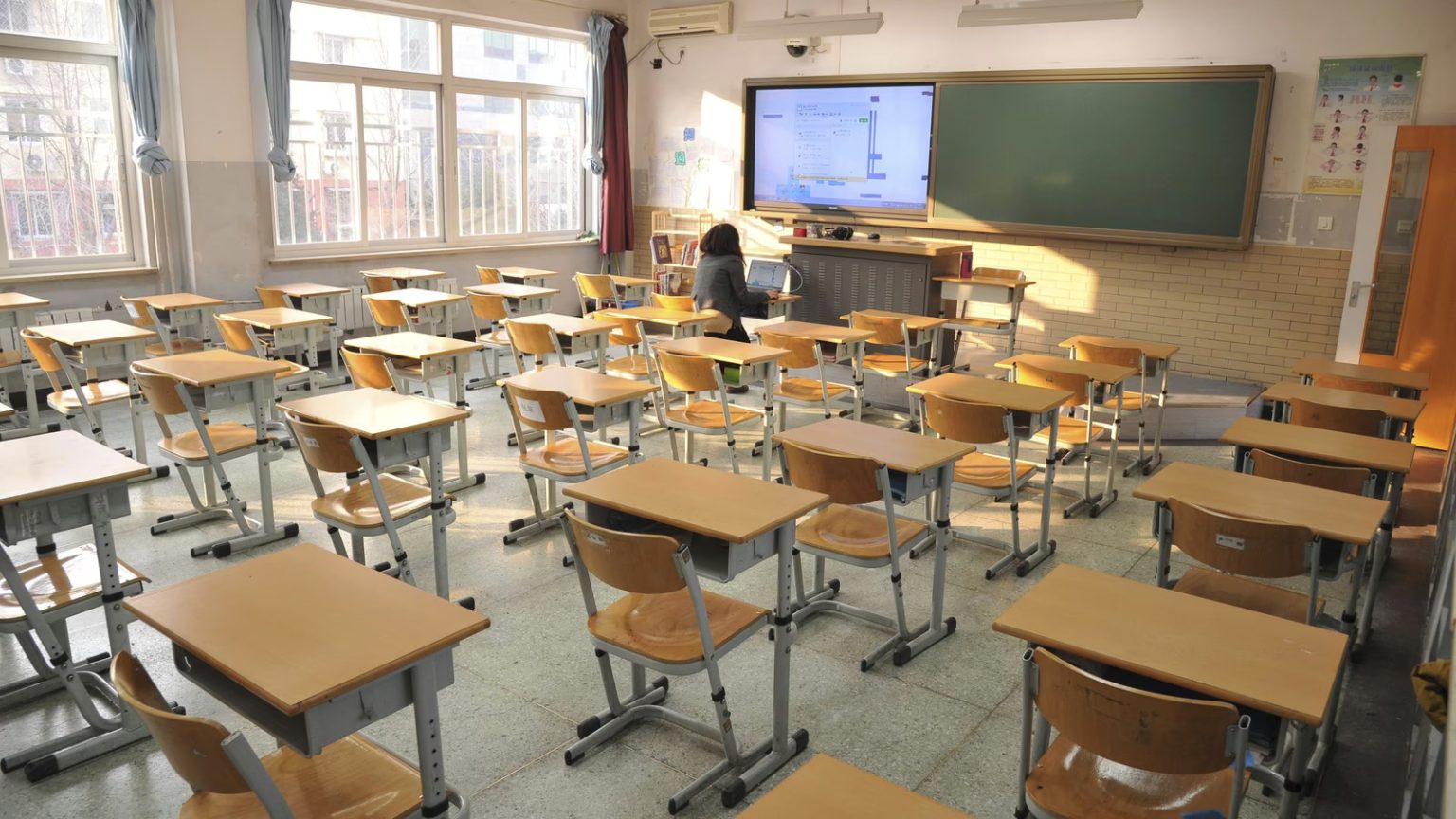
Questions are being raised about South Africa’s education and immigration systems after reports emerged that a school in the Germiston area has enrolled approximately 300 learners without valid documentation.
The claim, which gained significant traction on social media this week, has fuelled a heated national conversation about undocumented migration, border control and the legal obligations of schools to provide access to education.
The development comes at a time when immigration has become one of the country’s most fiercely debated issues, with growing public scrutiny of government policies and enforcement measures.
Social Media Reaction Intensifies
The report first gained widespread attention after journalist Sihle Mavuso shared the information on social media on 23 June 2026.
The post quickly went viral, attracting hundreds of comments from South Africans expressing concern about how such a large number of undocumented learners could reportedly be accommodated within a single school.
Many social media users questioned whether existing administrative controls are sufficient to verify learner information and maintain accurate school records.
Others argued that the situation reflects broader challenges linked to immigration management and public service delivery.
At the time of publication, authorities had not publicly identified the school involved, and the province in which the institution is located had not been officially confirmed.
Education Rights Versus Immigration Enforcement
The controversy has once again placed the spotlight on South Africa’s education policies regarding undocumented children.
In recent years, the Department of Basic Education amended regulations to ensure that children are not denied access to schooling solely because they lack official documentation.
The policy was introduced to protect the constitutional right to basic education and to prevent vulnerable children, including asylum seekers, refugees and other undocumented minors, from being excluded from the education system.
Education experts have long argued that denying children access to schooling can create long-term social and economic challenges, including increased poverty, marginalisation and vulnerability to exploitation.
However, critics contend that the policy has created practical difficulties for schools and may unintentionally encourage administrative loopholes that complicate immigration enforcement efforts.
Growing Pressure on Public Services
The latest allegations emerge against a backdrop of increasing public concern over the pressure placed on public services, including schools, healthcare facilities and housing.
South Africa continues to attract migrants from across the continent, with many arriving legally while others remain in the country after visas expire or enter without the required documentation.
The issue has become particularly prominent amid ongoing debates about unemployment, economic opportunities and government capacity to manage migration effectively.
Analysts note that public frustration often centres on service delivery challenges, even though many experts caution against attributing broader socioeconomic problems solely to immigration.
Calls for Clarity From Authorities
The reported discovery of 300 undocumented learners has prompted calls for greater transparency from both education and immigration authorities.
Some stakeholders are demanding a formal investigation to determine whether the learners are undocumented, whether any documentation processes are underway and whether school officials complied with existing regulations.
Others argue that government departments need to improve coordination to ensure accurate record-keeping while protecting children’s constitutional rights.
The matter is expected to add further momentum to ongoing national discussions about immigration policy and border management ahead of planned demonstrations scheduled for later this month.
Balancing Rights and Regulation
The situation highlights the complex challenge facing policymakers: balancing the constitutional right to education with the need for effective immigration administration.
While South African law guarantees access to basic education for all children, regardless of their documentation status, growing public concern suggests that many citizens want stronger oversight mechanisms to ensure accountability within the system.
As authorities face increasing pressure to address immigration-related concerns, the debate surrounding undocumented learners is likely to remain at the centre of public discourse in the weeks ahead.