A viral social media video has ignited debate after an Atlanta-based woman claimed she had negative encounters with Afrikaner refugees at her workplace.
The TikTok user, known as @teetwotymess, shared her experience on TikTok, alleging that some of the groups she encountered were unfriendly and secretive about their background.
Encounter Raises Questions
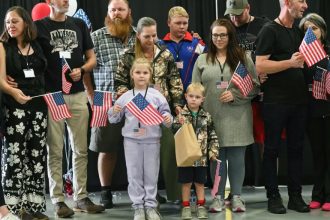
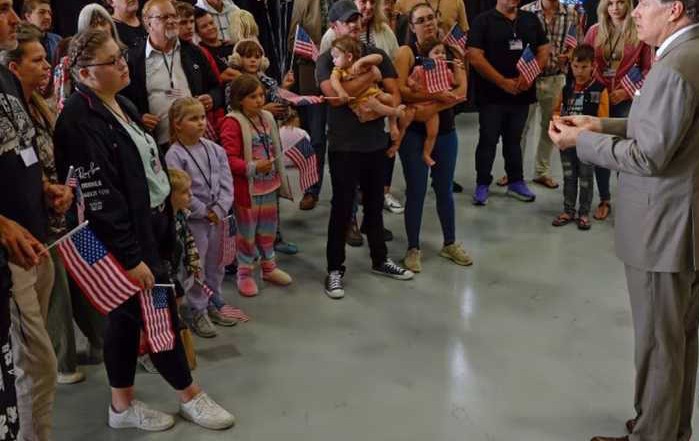
According to the woman, large groups had been visiting her workplace for several weeks. She initially believed their behaviour might be due to cultural differences but said the situation raised questions after conversations with colleagues.
She claimed one of the individuals later explained they were part of a group connected to Donald Trump supporters and had left South Africa citing claims of a so-called “white genocide.”
The woman further alleged that some members of the group displayed disrespectful attitudes toward minority groups, describing them as “MAGAs from South Africa,” referencing the Make America Great Again slogan.
Online Reaction
The video quickly gained traction online, with social media users — particularly South Africans — debating the claims in the comment sections.
Some users questioned whether the behaviour described reflected a broader cultural misunderstanding, while others criticised what they saw as harmful stereotypes and political framing.
Migration Narratives Under Spotlight
The incident highlights how migration stories tied to political narratives can quickly become flashpoints online, especially when linked to polarising global debates about race and identity.
Claims about a “white genocide” in South Africa remain widely disputed by researchers and have frequently been criticised as misleading or exaggerated interpretations of crime statistics.
As with many viral social media stories, the allegations reflect one individual’s account and have not been independently verified, but they have nonetheless sparked widespread discussion about perception, diaspora identity and political labelling.
Viral moments like this are fascinating social laboratories — a single anecdote can ripple across continents, colliding with history, politics and identity, reminding us how the internet compresses complex realities into bite-sized narratives that often say as much about audiences as they do about the people involved.