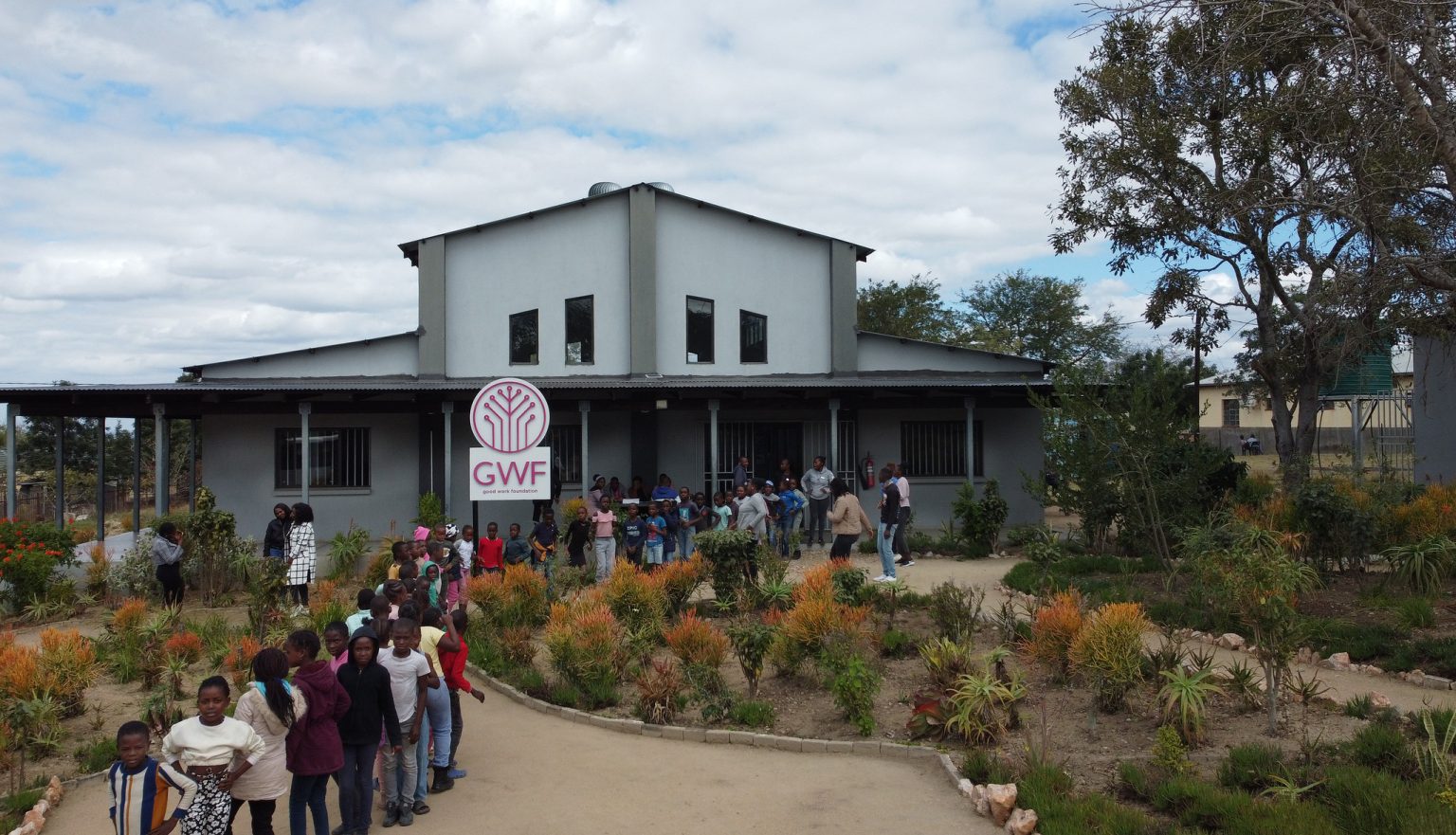
Hundreds of learners and unemployed young adults in northern Mpumalanga are expected to benefit from expanded access to digital education and Fourth Industrial Revolution (4IR) skills as the Good Work Foundation prepares to establish a new digital learning campus in the Manyeleti region.
The planned Dixie campus will become the organisation’s seventh learning centre and is expected to significantly expand educational opportunities in one of South Africa’s most underserved rural areas.
Situated near the Sabi Sand Nature Reserve and adjacent to the Kruger National Park, the campus aims to bring world-class digital learning resources directly to communities where access to technology and specialised education remains limited.
Bridging the Rural Digital Divide
South Africa continues to grapple with significant disparities between urban and rural education systems, particularly in access to technology, internet connectivity and career development opportunities.
The new campus is designed to address these challenges by providing learners with access to tablets, computers and modern digital skills programmes.
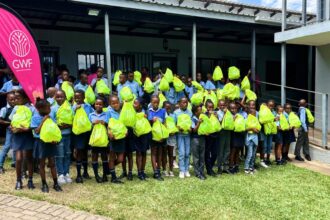
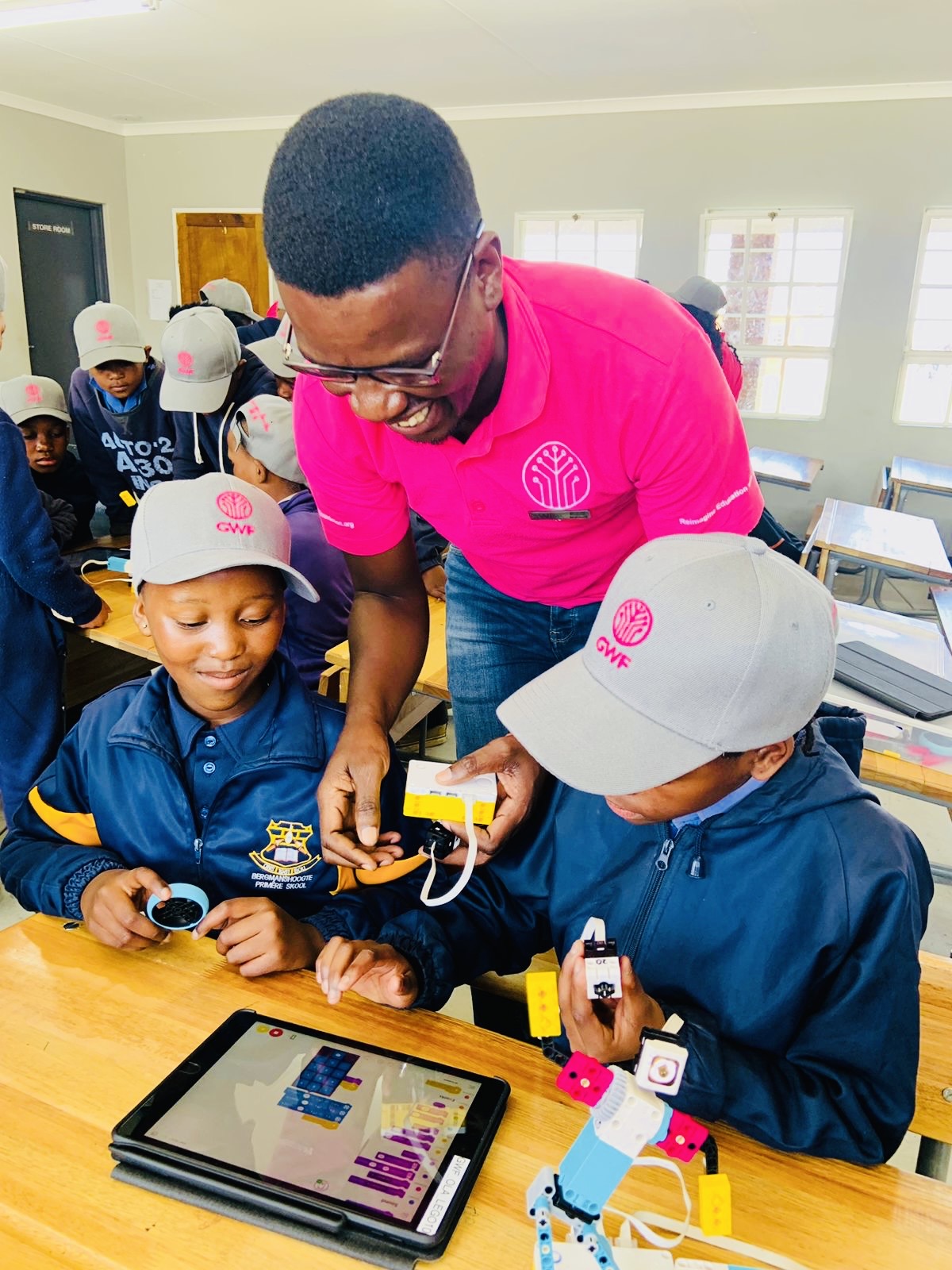
Through its existing network, the Good Work Foundation already reaches more than 13,000 primary school learners annually across 40 rural schools, exposing them to subjects such as coding, robotics, conservation and digital literacy.
The organisation also supports hundreds of young adults through specialised programmes aimed at preparing them for employment, entrepreneurship and further education.
The expansion into the Dixie area is expected to strengthen these efforts while reducing the need for learners to travel long distances to access quality educational resources.
A Personal Dream Becomes Reality
For Anorld Mdhluli, manager of the organisation’s Open Learning Academy, the project carries deep personal significance.
Raised in the nearby community of Seville B, Mdhluli understands first-hand the challenges facing young people growing up in rural areas marked by high unemployment and limited educational infrastructure.
Having previously graduated from the foundation’s Bridging Year Academy before joining the organisation as an employee, he views the new campus as a powerful symbol of what education can achieve.
According to Mdhluli, the campus fulfils a promise made years ago to bring advanced learning opportunities directly to the communities where he grew up.
His own journey—from student to education leader while pursuing further studies through the University of South Africa—reflects the transformative impact such initiatives can have.
More Than a School: A Catalyst for Economic Growth
Beyond education, the project is expected to generate wider economic benefits for surrounding communities.
Good Work Foundation officials say previous campus developments have stimulated local economies by creating opportunities for small businesses and service providers.
New taxi routes, internet cafés, catering services and retail businesses have historically emerged around the organisation’s learning centres, creating additional sources of income for local residents.
This broader economic impact highlights how educational infrastructure can act as a catalyst for community development rather than serving solely as a learning facility.
Community Leaders Included in Planning Process
The foundation has emphasised the importance of community participation throughout the planning phase.
A local planning committee has already been established and includes traditional leaders, elected representatives, school management and youth representatives.
This collaborative approach aims to ensure that the campus responds directly to local needs while encouraging community ownership of the project.
Education experts increasingly recognise that sustainable development projects are more likely to succeed when local stakeholders are actively involved in decision-making processes.
Preparing Rural Youth for the Fourth Industrial Revolution
As automation, artificial intelligence and digital technologies continue reshaping global economies, access to technology-based education has become increasingly important.
While urban learners often have greater exposure to these opportunities, many rural communities remain at risk of being left behind.
The Good Work Foundation’s model seeks to close that gap by introducing learners to digital tools and emerging technologies at an early age.
Coding, robotics and digital problem-solving skills are becoming increasingly valuable in the modern job market, and advocates argue that rural learners deserve the same opportunities as their urban counterparts.
Fundraising Efforts Continue
Construction of the Dixie campus remains dependent on fundraising and sponsorship support.
The organisation is currently engaging potential donors and corporate partners to help bring the project to completion.
Once operational, the campus is expected to become a central hub for digital learning, career development and community empowerment in the region.
Why Projects Like This Matter
The planned campus arrives at a time when youth unemployment remains one of South Africa’s most pressing socio-economic challenges.
By combining technology, education and work-readiness training, initiatives such as the Dixie campus aim to tackle some of the structural barriers that prevent many young South Africans from accessing meaningful economic opportunities.
For communities in remote regions of Mpumalanga, the project represents more than a new building—it offers a pathway towards greater inclusion in an increasingly digital world.
Conclusion
The Good Work Foundation’s planned Dixie digital campus has the potential to reshape educational and economic opportunities for hundreds of young people in rural Mpumalanga. By bringing coding, robotics, digital literacy and career-focused training directly into underserved communities, the initiative demonstrates how targeted investment in education can help bridge South Africa’s urban-rural divide and prepare the next generation for the demands of a rapidly evolving economy.