
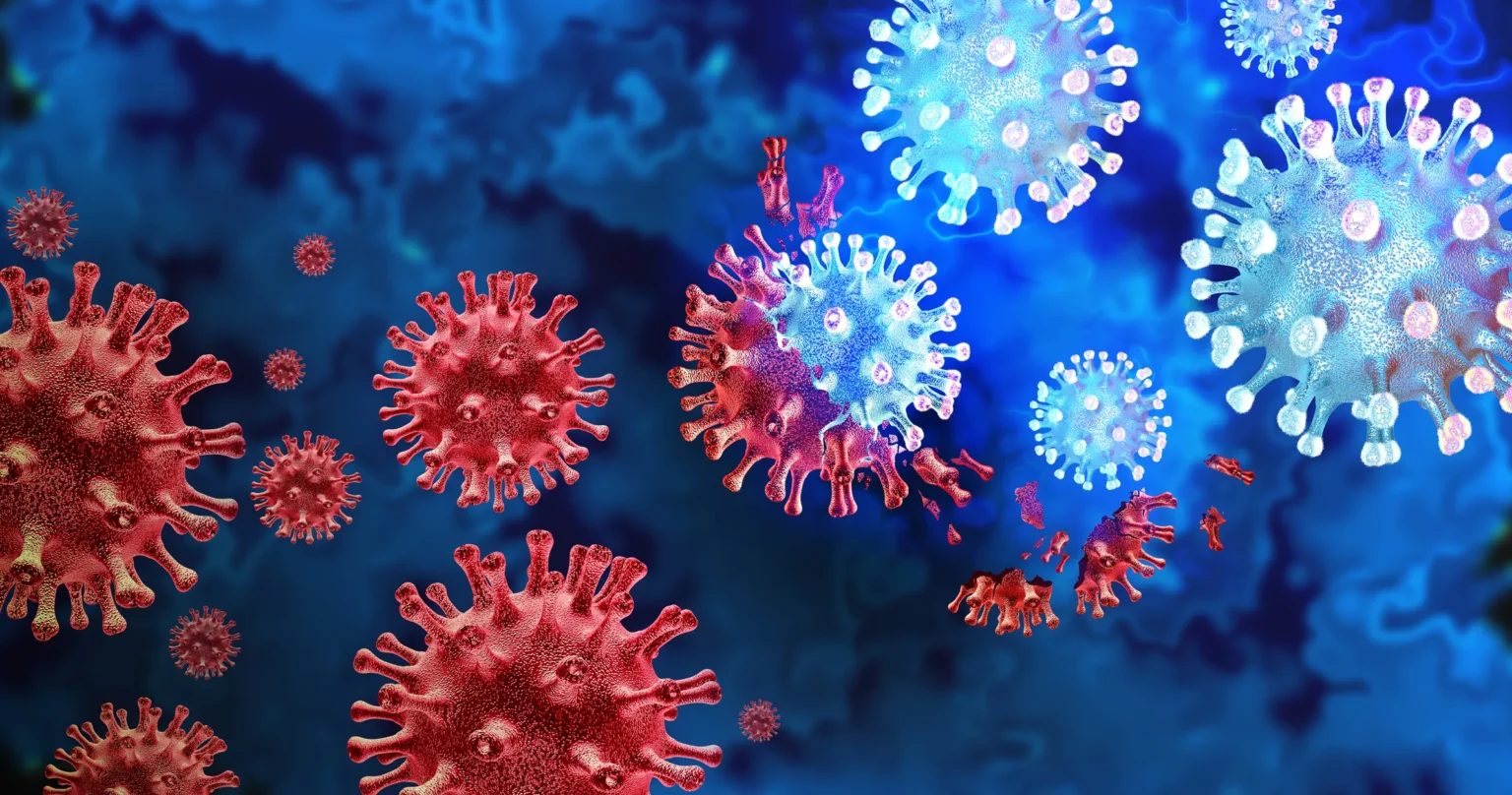
California health authorities have issued an urgent warning as a dangerous new COVID-19 strain—NB.1.8.1, first detected in China—is now driving a sharp uptick in infections in the state.
According to the California Department of Public Health, NB.1.8.1 has surged from just 2% of COVID-19 cases in April to 19% by May, prompting growing fears of increased hospitalizations as the virus gains a foothold. The variant is now confirmed in six U.S. states, including Washington, Virginia, Hawaii, Rhode Island, and New York City.
Health officials revealed that NB.1.8.1 was first identified in January 2025 in China, and lab data suggests it’s significantly more infectious than other circulating variants. The World Health Organization has echoed the concern, reporting that the strain already accounts for more than half of global cases.
Mask Mandates Back on the Table?
With cases climbing, some California doctors are now calling for a return to mask mandates, taking cues from densely populated regions like Hong Kong, where hospitalizations have surged to a 12-month high, largely attributed to NB.1.8.1.
“COVID-19 continues to circulate in California, and future seasonal increases in disease levels are likely,” the California Department of Public Health told The Sacramento Bee.
Despite the rise, current COVID-19 test positivity in California remains relatively stable at 2.1%, with hospitalization rates slightly down from 1.6 to 1.3 per 100,000 as of the latest data from April 19. But officials caution that hospitalization trends lag behind infections, meaning more severe cases could surface in the weeks ahead.
Nationally, test positivity dropped from 2.9% to 2.7% over the past week, with emergency room visits declining by 6.5%. Yet international data paints a more worrying picture:
- In China, the proportion of severely ill COVID patients rose from 3.3% to 6.3% in a month.
- Emergency room positivity rates climbed from 7.5% to 16.2%.
- Taiwan reported a 78% spike in COVID-related ER admissions by early May.
- Hong Kong is seeing its highest hospitalization numbers in a year.
What Are the Symptoms?
The symptoms of NB.1.8.1 are similar to previous variants and include:
- Fever, chills, and cough
- Shortness of breath or fatigue
- Muscle aches, headache
- Loss of taste or smell
- Sore throat, congestion
- Nausea, vomiting, and diarrhea
However, COVID swabs cannot currently identify specific variants, meaning patients won’t know if they have NB.1.8.1 without genome sequencing.
Vaccine Concerns and Controversies
The California Department of Public Health has reassured the public that existing vaccines remain effective against NB.1.8.1. However, controversy looms after Health Secretary Robert F. Kennedy Jr. moved to restrict vaccine access for healthy children and pregnant women, despite the CDC still listing COVID-19 shots on the children’s immunization schedule.
The Bigger Picture
While the dominant U.S. strain remains LP.8.1, NB.1.8.1’s rapid rise is a stark reminder that the pandemic is far from over. As health agencies race to track and contain this variant, experts stress the importance of continued vaccination, mask-wearing in high-risk settings, and vigilant testing.