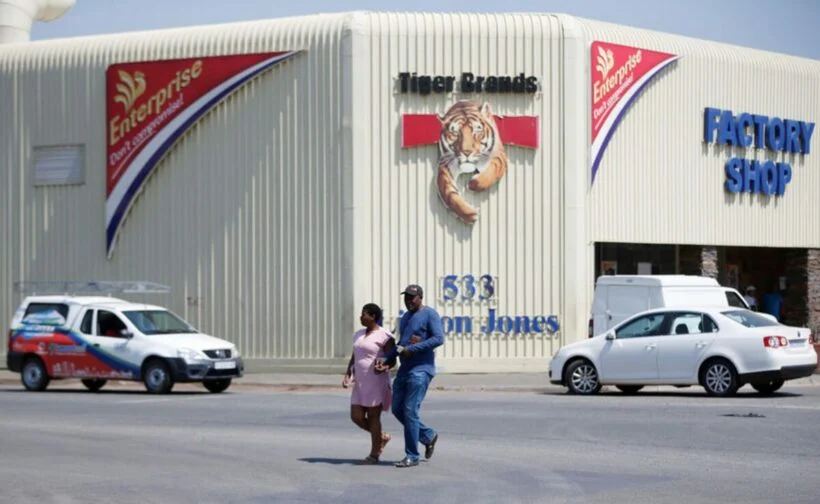
In a significant move towards accountability and closure, Tiger Brands, South Africa’s largest food producer, has announced settlement offers to victims affected by the 2017 listeriosis outbreak that killed more than 200 people and left over 800 others sick.
The announcement, made on Monday, has been met with praise from the Department of Health, which described the gesture as a long-overdue step toward justice for affected families.
Largest Foodborne Outbreak in South African History
The deadly outbreak, which began in 2017, was traced back to Tiger Brands’ Polokwane production facility. The discovery sparked a nationwide food recall and led to a class action lawsuit on behalf of over 1,000 affected individuals and families.
The lawsuit accused the company of negligence in its food safety practices, resulting in widespread contamination of processed meat products with Listeria monocytogenes, a bacteria particularly dangerous to infants, the elderly, and immunocompromised individuals.
Settlement Offers Begin
According to a company statement, QBE Insurance Group Limited, the lead insurer for Tiger Brands, began issuing settlement offers on April 25, 2025, to specific categories of claimants who suffered health impacts or lost loved ones due to listeriosis.
Tiger Brands CEO Tjaart Kruger emphasized that the settlement process is a milestone in the company’s path toward resolving the tragic events. He noted that in February 2025, interim relief in the form of advance payments was already made to claimants with urgent medical needs.
“Today’s announcement represents an important milestone,” said Kruger. “It follows shortly on measures already taken in February 2025 to offer interim relief.”
Department of Health Urges Families to Come Forward
Foster Mohale, spokesperson for the Department of Health, welcomed the decision and encouraged affected families to submit any remaining evidence linking the death of their loved ones to the outbreak.
“This will allow the department to access clinical records and determine whether they have valid claims eligible for settlement,” Mohale stated.
- Advertisement -
Mohale further emphasized that the outbreak highlighted the critical importance of food safety standards, particularly in ready-to-eat mass-market foods.
“Food safety and hygiene practices remain crucial for public health, preventing foodborne illnesses, reducing food waste, and avoiding costly recalls,” he added.
Industry Impact and Lessons Learned
The 2017 outbreak remains the worst documented listeriosis outbreak globally, drawing harsh criticism of regulatory oversight and food safety compliance in South Africa’s food processing sector.
Since the incident, Tiger Brands has made significant investments in quality assurance systems and traceability mechanisms across its supply chain to prevent similar events in the future.