South Africa’s National Prosecuting Authority (NPA) is facing renewed scrutiny following allegations of misconduct linked to a criminal case involving Zambian businessman and political figure Willah Mudolo.
The matter centres on an alleged R102 million fraud case and has generated significant attention after legal representatives acting for Mudolo raised concerns about the conduct of prosecutors and the handling of complaints lodged with oversight bodies.
While the NPA has strongly rejected the allegations, the dispute has reignited broader conversations about accountability within South Africa’s criminal justice system and the mechanisms available to address complaints against prosecutors.
Legal Team Raises Concerns Over Case Management
According to legal correspondence cited in the matter, Mudolo’s attorneys have questioned the manner in which certain aspects of the prosecution have been handled.
The concerns reportedly include allegations relating to prosecutorial conduct, the treatment of accused persons involved in the case, and claims that one accused individual was subsequently treated as a witness during proceedings.
The legal team has also raised concerns regarding what they describe as inadequate responses to complaints submitted to relevant authorities.
The allegations have not been tested in court, and no findings of misconduct have been made against any of the officials named in the complaints.
Senior Prosecutors Named in Complaints
The legal correspondence reportedly references several senior figures within the prosecutorial system, including Advocate Nicolette Bell, Advocate Desire Rosenblatt and Acting Director of Public Prosecutions Advocate Marika Jansen Van Vuuren.
The complaints form part of a broader challenge mounted by Mudolo’s legal representatives regarding the conduct of the prosecution.
Legal experts note that complaints against prosecutors are not uncommon in complex criminal matters, particularly in cases involving substantial financial allegations or politically connected individuals.
However, the existence of a complaint does not in itself constitute evidence of wrongdoing.
NPA Rejects Allegations
The National Prosecuting Authority has dismissed the allegations and maintains that the prosecution is acting within the law.
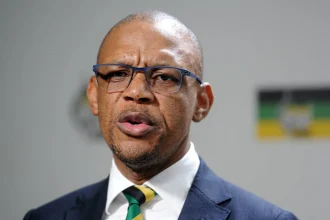
NPA spokesperson Kaizer Kganyago reportedly described the claims as lacking merit and suggested that attempts were being made to shift focus away from the substantive criminal proceedings.
The NPA further pointed to previous legal applications linked to some of the complaints, indicating that certain challenges had already been considered by the courts.
The authority has consistently maintained that it remains committed to prosecuting matters independently and in accordance with the law.
Questions Raised Over Legal Practice Council Process
One aspect of the dispute attracting attention involves correspondence from the Legal Practice Council (LPC).
According to documents referenced in the matter, the LPC informed complainants that a legal practitioner named in the complaint had not submitted a response to allegations that had been lodged.
The correspondence indicated that the matter would be referred to an investigating committee for consideration.
The LPC reportedly advised that, depending on the committee’s findings, further steps could include requests for explanations, meetings with the parties involved, or possible disciplinary proceedings.
However, Mudolo’s legal representatives claim they have not received subsequent updates regarding the progress of the complaint.
There has been no public indication that the LPC has reached a final determination on the matter.
A Test of Public Confidence in Justice Institutions
Beyond the specifics of the case, the dispute highlights broader concerns about public confidence in South Africa’s criminal justice institutions.
The NPA has spent recent years attempting to rebuild its reputation following criticism linked to state capture investigations, corruption prosecutions and concerns about institutional effectiveness.
Legal analysts argue that transparent handling of complaints against prosecutors is essential to maintaining public trust, particularly in high-profile cases involving significant financial allegations.
At the same time, they caution that allegations against prosecutors should be evaluated through established legal and professional processes rather than through public opinion.
What Happens Next?
The criminal proceedings involving Mudolo are expected to continue through the courts, where the substantive allegations in the fraud case will ultimately be tested.
Separately, any complaints regarding prosecutorial conduct would need to be addressed through the appropriate oversight and disciplinary mechanisms.
For now, the dispute places renewed attention on the balance between prosecutorial independence, accountability and the right of accused persons to challenge the conduct of those responsible for bringing criminal cases against them.
As both the criminal matter and related complaints processes unfold, legal observers will be watching closely for developments that could have implications not only for the parties involved but also for broader confidence in South Africa’s justice system.