President Cyril Ramaphosa has officially extended the lifespan of the Madlanga Commission of Inquiry, allowing investigators additional time to conclude one of South Africa’s most significant corruption investigations in recent years.
The commission, chaired by Justice Mbuyiseli Madlanga, was originally expected to submit its final report by 31 August 2026. However, the Presidency has now confirmed that the report will instead be delivered on 16 November 2026, following concerns that key areas of the investigation could remain incomplete without more time.
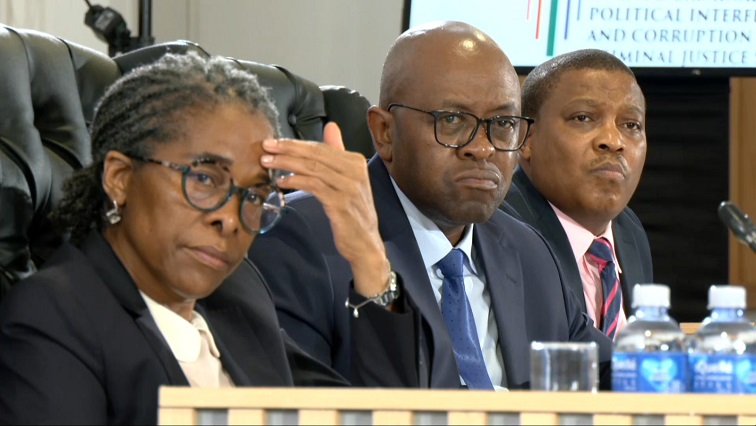
The decision comes as the commission continues to hear evidence involving senior government officials, law enforcement leaders and allegations of political interference within South Africa’s criminal justice system.
New Deadlines Announced by the Presidency
The Presidency confirmed the extension in a statement issued on Thursday.
Presidential spokesperson Vincent Magwenya said the revised timetable provides sufficient time for the commission to complete outstanding evidence and finalise its recommendations.
Under the new schedule:
- 2 October 2026 will serve as the final deadline for hearing evidence.
- 16 November 2026 is the new deadline for submitting the commission’s final report to President Ramaphosa.
According to Magwenya, the additional time is necessary to ensure the commission fully addresses every matter contained in its terms of reference.
He said the extension would enable investigators to conclude evidence on topics that have emerged during months of public hearings and prevent important aspects of the inquiry from remaining unfinished.
Inquiry Continues to Uncover Alleged Corruption
Since its establishment, the Madlanga Commission has examined allegations of criminality, corruption and political interference affecting South Africa’s policing, intelligence and prosecutorial institutions.
Public hearings have heard testimony involving senior police officials, procurement processes, organised crime investigations and allegations of improper influence over state institutions.
Several witnesses have made serious allegations under oath, while some evidence presented before the commission has already prompted investigations by law enforcement agencies.
The inquiry has also shone a spotlight on governance failures and alleged misconduct involving public officials, further increasing public interest in its findings.
Ramaphosa Signals Continued Support
The extension follows comments made earlier this week by President Ramaphosa, who indicated he would consider granting additional time if commissioners believed it was necessary to complete their work properly.
The Presidency said the President remains supportive of the commission and acknowledged the importance of ensuring that its investigation is thorough rather than rushed.
Magwenya added that Ramaphosa appreciates both the work of the commission and the efforts by law enforcement agencies to act on evidence emerging from the hearings.
Pressure Mounts Ahead of Final Report
The commission had previously confirmed that it was in discussions with the Presidency regarding a possible extension as its workload continued to expand.
With numerous high-profile witnesses still expected to testify and several lines of inquiry remaining open, commissioners argued that additional time was essential to produce a comprehensive final report.
The extension means South Africans will now wait until November for the commission’s recommendations, which are expected to influence future criminal investigations, possible prosecutions and broader reforms within the country’s criminal justice system.
As the inquiry enters its final phase, attention is likely to remain fixed on the commission’s remaining hearings and the evidence still to come.