
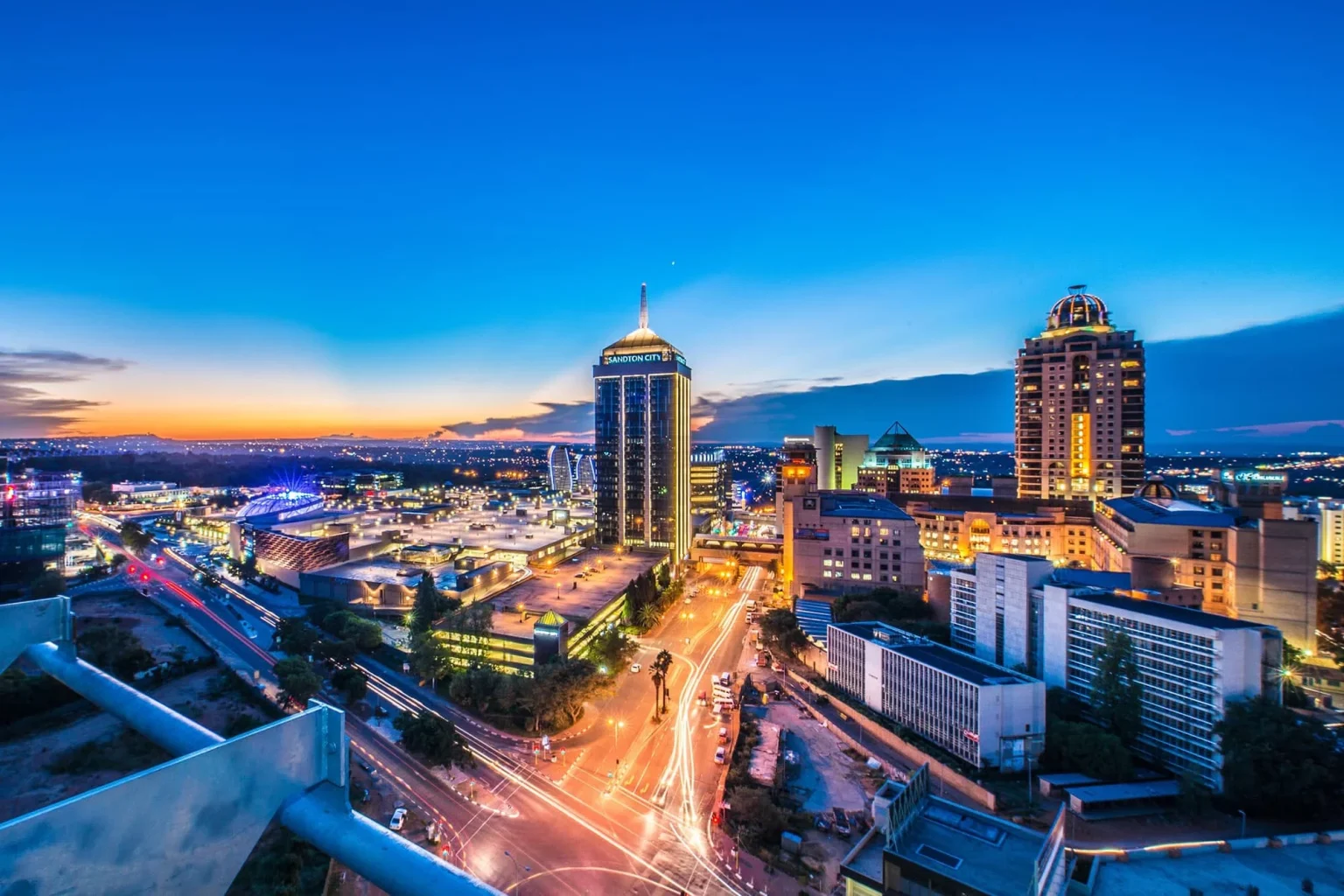
South Africa’s economy gained momentum in the first quarter of 2026, with gross domestic product (GDP) increasing by 0.5%, according to the latest figures released by Statistics South Africa.
- Finance Sector Leads Economic Expansion
- Agriculture Delivers Another Positive Performance
- Trade and Transport Add Momentum
- Manufacturing Remains a Weak Spot
- Consumer Spending Shows Signs of Stability
- Government Spending Supports Growth
- Investment Activity Remains Under Pressure
- Exports Provide a Significant Boost
- What the Latest GDP Figures Mean
The latest growth follows a 0.4% increase recorded during the final quarter of 2025, suggesting that the economy has continued its gradual recovery despite ongoing structural challenges.
While the growth rate remains relatively modest, the latest figures indicate resilience in several key sectors of the economy, particularly finance, agriculture, trade, and transport.
Finance Sector Leads Economic Expansion
The finance, real estate and business services sector emerged as the strongest contributor to economic growth during the quarter.
The industry expanded by 0.9%, contributing 0.2 percentage points to overall GDP growth.
According to Statistics South Africa, stronger performance was driven by increased activity in financial intermediation services and related support activities.
The finance sector remains one of South Africa’s largest economic contributors and continues to provide critical support for broader economic activity, investment, and employment.
Agriculture Delivers Another Positive Performance
The agriculture, forestry and fishing sector also posted strong growth, increasing by 3.9% during the quarter.
The sector contributed 0.1 percentage points to overall GDP growth, largely due to improved performance in field crops and horticultural production.
Agriculture has become an increasingly important stabilising force for the economy, particularly as other sectors continue to face operational challenges and fluctuating global demand.
The positive performance highlights the sector’s ability to support economic activity despite adverse weather conditions and global market uncertainties.
Trade and Transport Add Momentum
Consumer and business activity also helped support growth.
The trade, catering and accommodation sector expanded by 0.7%, contributing 0.1 percentage points to GDP growth.
Growth was supported by stronger activity in:
- Wholesale trade
- Motor vehicle sales
- Food and beverage services
- Accommodation services
Meanwhile, the transport, storage and communication industry also grew by 0.7%.
The sector benefited from increased activity in land transport, air transport, and transport support services, further contributing to overall economic expansion.
These gains suggest that domestic demand and mobility continued improving during the first quarter.
Manufacturing Remains a Weak Spot
Despite positive performances across several industries, the manufacturing sector remained under pressure.
Manufacturing contracted by 0.8%, reducing overall GDP growth by 0.1 percentage points.
Statistics South Africa reported that five of the ten manufacturing divisions recorded negative growth during the quarter.
The most significant declines were recorded in:
- Petroleum, chemical, rubber and plastic products
- Iron, steel and metal products manufacturing
- Machinery production
- Wood, paper, publishing and printing industries
The continued weakness in manufacturing remains a concern, given the sector’s importance for employment, exports, and industrial development.
Consumer Spending Shows Signs of Stability
On the expenditure side of the economy, household final consumption expenditure increased by 0.1%.
While modest, the increase contributed positively to overall GDP growth.
Consumers spent more on:
Transport
Spending on transport rose by 0.8%, making one of the largest positive contributions to household expenditure growth.
Housing and Utilities
Expenditure on housing, water, electricity, gas and other fuels increased by 0.9%, reflecting ongoing household demand for essential services.
However, some spending categories recorded declines, including:
- Restaurants and hotels
- Food and non-alcoholic beverages
- Alcoholic beverages and tobacco
- Miscellaneous consumer spending categories
The mixed spending patterns suggest that many households remain under financial pressure despite easing inflation and improving economic conditions.
Government Spending Supports Growth
Government expenditure also contributed positively during the quarter.
Final consumption expenditure by general government increased by 0.6%, adding 0.1 percentage points to overall GDP growth.
The increase was primarily driven by:
- Higher purchases of goods and services
- Increased employee compensation
Government spending continues to play an important role in supporting economic activity during periods of slower private-sector growth.
Investment Activity Remains Under Pressure
One of the most concerning aspects of the GDP report was the decline in fixed investment.
Gross fixed capital formation contracted by 1.1% during the quarter, subtracting 0.2 percentage points from economic growth.
Major declines were recorded in:
- Machinery and equipment investment (-3.4%)
- Residential building investment (-7.2%)
- Other fixed assets (-1.8%)
Weak investment levels remain a challenge because capital spending is essential for future economic growth, productivity improvements, and job creation.
Economists often view sustained investment growth as a key indicator of business confidence and long-term economic health.
Exports Provide a Significant Boost
One of the strongest contributors to first-quarter growth came from international trade.
Net exports added 0.9 percentage points to GDP growth, providing crucial support to the economy.
Exports of goods and services increased by 0.5%, driven largely by stronger demand for:
- Mineral products
- Agricultural products
- Processed food and beverages
- Tobacco products
At the same time, imports declined by 2.6%.
The reduction was influenced by lower imports of:
- Precious metals and gemstones
- Mineral products
- Machinery and electrical equipment
- Textiles and textile products
- Animal and vegetable oils
The combination of rising exports and declining imports strengthened South Africa’s trade position during the quarter.
What the Latest GDP Figures Mean
The latest GDP data paints a picture of an economy that continues to grow, albeit at a relatively modest pace.
The expansion in finance, agriculture, trade, and transport demonstrates that key sectors remain resilient despite global economic uncertainty and domestic challenges.
However, persistent weakness in manufacturing and investment spending highlights the obstacles still facing South Africa’s long-term growth prospects.
While the 0.5% quarterly increase represents positive news for policymakers and investors, economists will likely emphasise that stronger and more sustained growth will be necessary to significantly reduce unemployment, attract investment, and improve living standards.
The first-quarter figures suggest the economy is moving in the right direction, but the pace of growth remains below the levels required to address South Africa’s structural economic challenges.