
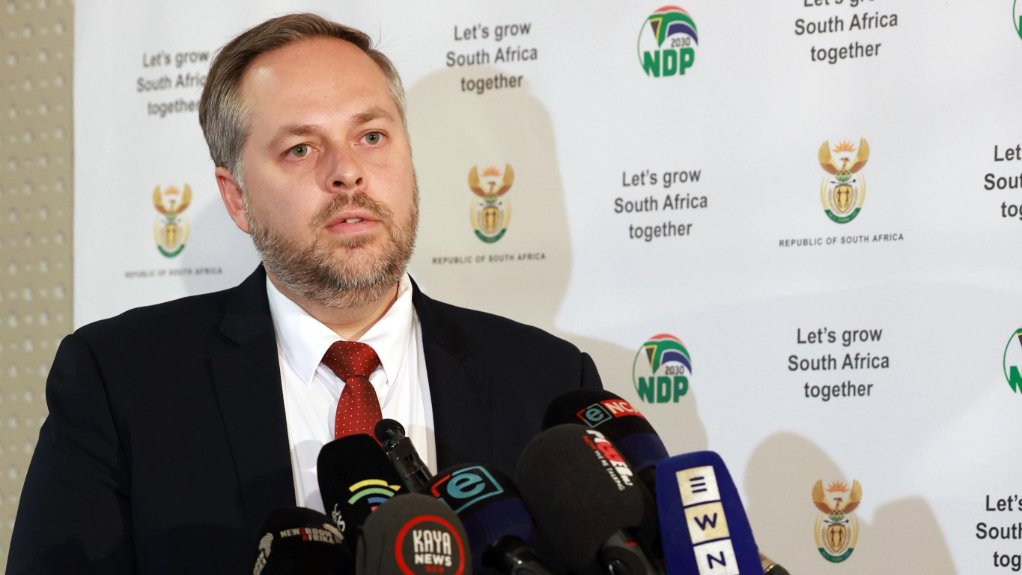
South Africa could soon tighten its asylum system, with Home Affairs Minister Leon Schreiber indicating that new policy proposals may allow authorities to reject certain asylum applications.
Speaking on proposed reforms in the government’s White Paper, Schreiber emphasised that the country cannot shoulder migration pressures alone.
“It cannot be on one country to bear the burden,” he said, highlighting growing concerns over regional and global migration dynamics.
What Is the ‘First Country’ Principle?
At the centre of the proposed changes is the “first country of safe arrival” principle.
If implemented, the policy would allow South Africa to deny asylum to individuals who:
- Passed through other safe countries before arriving
- Chose South Africa as a preferred destination rather than their first point of refuge
The approach aligns with international practices in some regions, where asylum seekers are expected to apply for protection in the first safe country they enter.
A Shift in South Africa’s Migration Policy
The proposal signals a significant shift in how South Africa manages asylum applications.
Currently, the country processes claims regardless of the route taken by applicants. The new framework would introduce stricter eligibility criteria, potentially reducing the number of approved applications.
Government officials argue that the move is necessary to:
- Manage growing migration pressures
- Prevent abuse of the asylum system
- Align with global norms on refugee protection
Balancing Responsibility and Capacity
Schreiber’s remarks reflect a broader debate about fairness and capacity.
South Africa has long been a key destination for migrants and asylum seekers in the region, often placing strain on administrative systems and public services.
The proposed policy seeks to distribute responsibility more evenly across countries, particularly those closer to conflict zones or migration routes.
Potential Legal and Human Rights Implications
While the policy may strengthen border control, it is likely to face scrutiny from legal and human rights groups.
Key concerns include:
- Whether neighbouring countries can be considered genuinely “safe”
- The risk of denying protection to vulnerable individuals
- Compliance with international refugee conventions
Any implementation would need to carefully balance national interests with constitutional and international obligations.
What Happens Next?
The White Paper proposals are still under discussion, with further consultation and legislative processes expected before any changes take effect.
Key issues to watch include:
- Public and stakeholder responses to the policy
- Legal challenges or constitutional reviews
- How the rule would be applied in practice
For now, the message from government is clear: South Africa is preparing to take a firmer, more structured approach to asylum management.