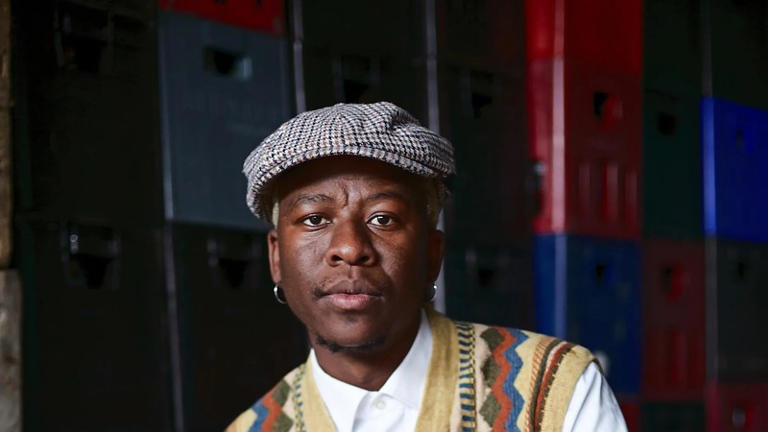
The South African music industry is in mourning following the tragic death of Bravo Le Roux, born Sinesipho Peter, whose passing has sent shockwaves through the nation and reignited critical conversations about mental health within creative spaces.
Le Roux died in Switzerland on 22 January, a loss that has left fans, peers and cultural figures grappling with the sudden silence of a voice that spoke boldly about identity, struggle and township life. Known for tracks such as “Makwenkhwe”, the Khayelitsha-born rapper was widely regarded as more than a musician — he was a storyteller and a cultural force.
On 1 February, the Peter family, through spokesperson Gcobani Ndzongana, confirmed that Le Roux died by suicide.
A painful confirmation and a broader conversation
The family’s confirmation has reignited long-standing concerns about mental health challenges faced by artists, where public success often masks private battles.
Behind his commanding presence and uncompromising lyricism, Le Roux was navigating struggles that were not always visible to those around him. His passing has highlighted the urgent need for greater mental health support, particularly within South Africa’s entertainment and creative industries.
Family appeals for help to bring him home
Le Roux is survived by his wife, DJ Sab, as well as his children and extended family. DJ Sab has been leading efforts to repatriate his remains from Switzerland, a process that has placed an immense emotional and financial burden on the family.
According to the family, funeral and repatriation costs are estimated at R500,000, prompting supporters to launch fundraising initiatives, including a GoFundMe campaign, to ensure he is laid to rest in South Africa with dignity.
In an emotional open letter addressed to the Department of International Relations and Cooperation (DIRCO), the family pleaded for urgent government assistance to help expedite the repatriation process.
“The family is deeply grieving this loss and is seeking urgent assistance from the Department of International Relations and Cooperation (DIRCO) to facilitate the necessary processes for bringing his remains back to South Africa,” the letter reads in part.
DIRCO spokesperson Clayson Monyela has not yet issued a public response. However, the South African embassy in Bern has indicated that it is unable to provide financial assistance due to standard consular regulations, leaving the family dependent on public support.
Tributes pour in for a cultural voice
The Department of Sport, Arts and Culture has paid tribute to Le Roux, acknowledging his contribution as a gifted artist and cultural voice whose absence will be deeply felt.
Artists, fans and cultural figures across the country have also flooded social media with tributes, celebrating his impact while calling for greater empathy and mental health awareness in the industry.
A memorial service is scheduled for 5 February at OR Tambo Hall in Khayelitsha, where loved ones and supporters will gather to honour his life, music and legacy.
A legacy beyond music
Le Roux was a father, husband, son and friend — roles his family says must not be overshadowed by the tragedy of his death. They have called for compassion, understanding and meaningful support, not only for themselves but for other artists who may be struggling in silence.
His passing marks a painful moment for South Africa, but also a crucial reminder that mental health conversations cannot wait.
If you or someone you know needs help
If you are struggling or feeling overwhelmed, support is available in South Africa:
-
South African Depression and Anxiety Group (SADAG): 0800 567 567
-
Suicide Crisis Line: 0800 21 22 23
-
Emergency: 112 from any mobile phone
You are not alone.