
South Africa has officially revoked its long-standing 90-day visa exemption for Palestinian passport holders after intelligence investigations uncovered what officials describe as systemic abuse of the entry arrangement. The move, announced by Home Affairs Minister Dr Leon Schreiber, marks a significant policy shift for a country widely known for its vocal support of the Palestinian cause.
According to the Department of Home Affairs, the exemption was exploited by external actors—particularly individuals linked to efforts encouraging the voluntary emigration of Gaza residents. Schreiber explained that the exemption had been compromised to such an extent that it no longer served its intended purpose of facilitating short-term travel, tourism and cultural exchange.
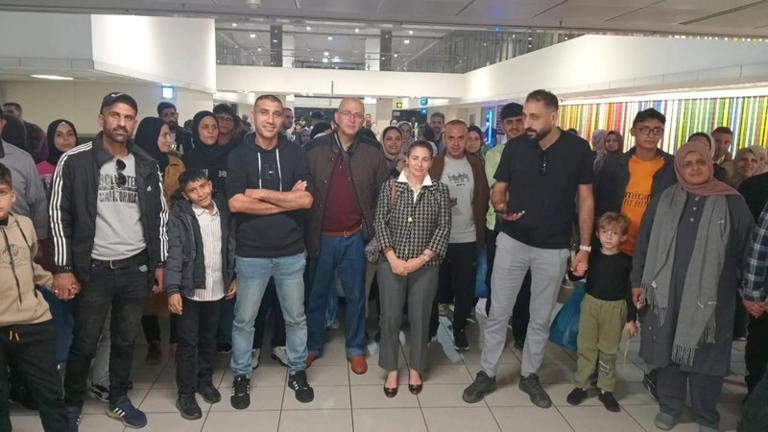
The decision followed the arrival of two charter flights carrying Palestinian passport holders. While South Africa initially expected routine short-term visitors, investigators discovered a more troubling pattern: many travellers held one-way tickets, carried no luggage beyond essential items, and were instructed to bring only cash. These conditions raised red flags that intermediaries—not the passengers themselves—had orchestrated the journeys.
Upon landing at OR Tambo International Airport, officials found that numerous passengers lacked return travel plans, departure documentation, or confirmed accommodation. Schreiber said the combination of these factors amounted to clear misuse of the exemption, with travellers being placed at risk of arriving destitute.
What emerged, according to authorities, was a picture of coercive “relocation” rather than ordinary travel. Many passengers reportedly did not intend to claim asylum, leaving civil society organisations scrambling to provide emergency support. Intelligence reports further suggested that the charter operations were not isolated incidents but part of a broader pattern. A broker based in Dubai, with ties to South Africa, was reportedly seeking quotes for additional charter flights at short notice.
The situation echoed an earlier episode in which 153 Palestinians were denied entry at OR Tambo due to missing exit stamps, return tickets and accommodation details. They were eventually admitted on humanitarian grounds after almost 12 hours in the airport, prompting a joint investigation by government and intelligence agencies. That probe also examined the possible involvement of an organisation known as Al-Majd Europe, which allegedly facilitated the movement of vulnerable Palestinians as part of a global relocation effort.
Global Airways, the operator of the recent charter flights, confirmed that similar flights had taken place before. In late October, it flew a charter from Nairobi to Johannesburg carrying Palestinian passengers who were admitted without incident under the same visa exemption.
South Africa’s longstanding alignment with Palestine—including its case against Israel at the International Court of Justice—adds weight to the government’s decision. Officials were cautious to emphasise that the policy change targets systemic abuse, not legitimate Palestinian travellers.
Schreiber stressed that the withdrawal of the exemption was necessary to prevent further exploitation. “The most recent investigations confirmed that these travellers may have been flushed out of Gaza,” he said, citing remarks from President Cyril Ramaphosa. “Withdrawing the visa exemption is the most effective way to prevent further flights of this nature while allowing bona fide travellers from Palestine to enter South Africa safely and without exploitation.”
The department will now process any asylum claims submitted by passengers from the charter flights. For those not seeking asylum, their initial 90-day admission will still be honoured. Schreiber confirmed that all future visa applications from genuine Palestinian travellers will be handled through standard processing channels, while any attempts at further abuse will be rejected.
As South Africa tightens its borders in response to the unfolding controversy, authorities maintain that the core intention remains unchanged: protecting travellers from exploitation while preventing the country from becoming a conduit for forced or coerced migration. The broader political implications are likely to continue unfolding, reminding the world of how migration, conflict and global policy intersect in profoundly complex ways.