The United States is intensifying scrutiny of employers that rely on foreign-worker visa programmes, with the Trump administration targeting major technology companies and launching investigations into nine leading universities over alleged immigration-related abuses.
- Microsoft accused of laying off American workers while using foreign-worker visas
- Which companies have been suspended?
- What is the PERM programme?
- Nine universities face investigations over exchange-visitor visas
- The wider Trump administration immigration crackdown
- How does this compare with South Africa?
- What happens next?
The measures reflect a broader effort by Washington to protect American workers and tighten oversight of pathways used by foreign professionals to work and obtain permanent residency in the country.
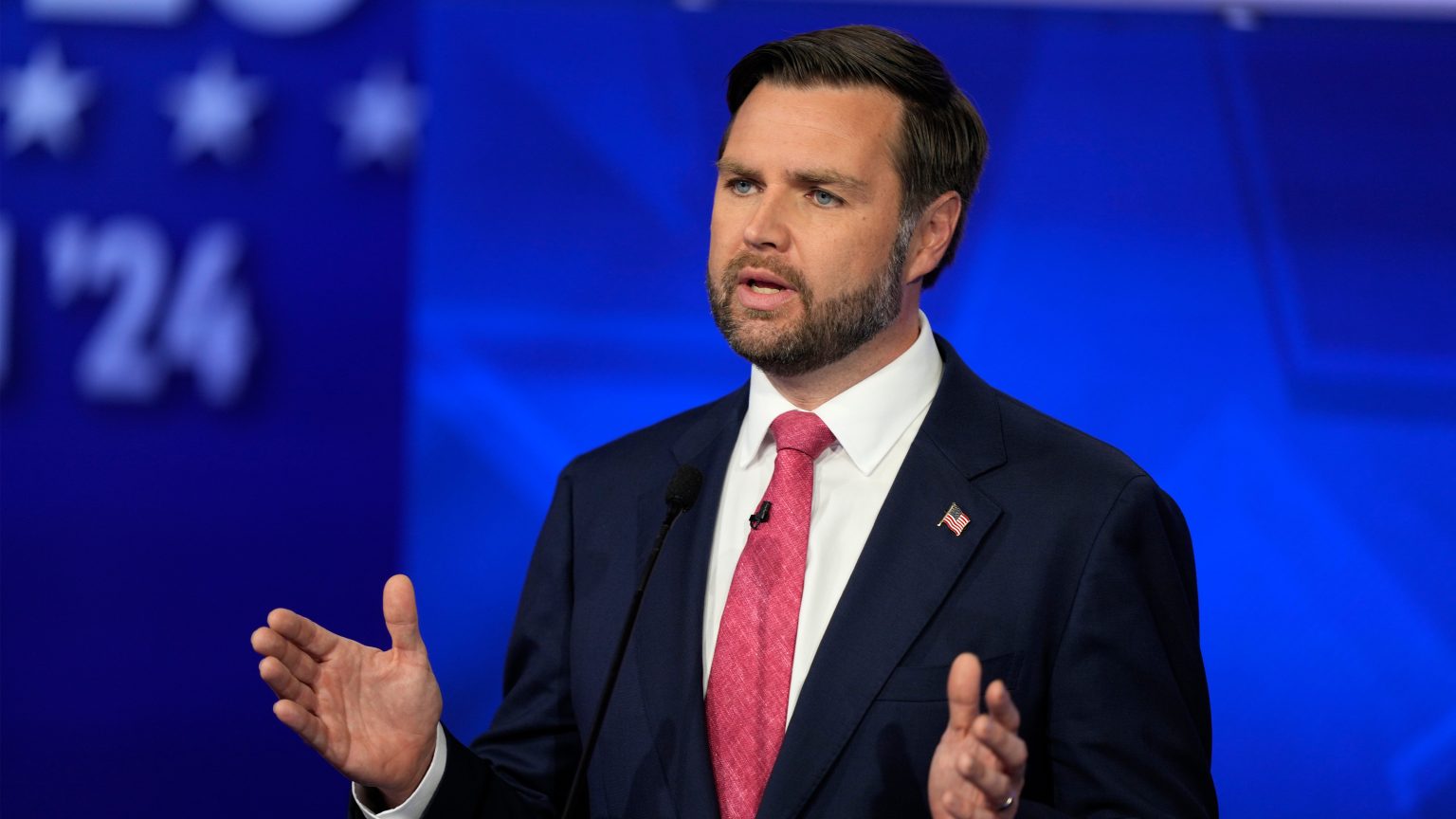
Vice President JD Vance announced that Microsoft and other companies had been suspended from the PERM labour certification programme amid investigations into their use of foreign-worker recruitment pathways. The administration also announced probes into universities including Harvard, Yale and Stanford over alleged misuse of exchange-visitor visas.
The developments have drawn comparisons with South Africa’s debates over local employment, immigration enforcement and whether employers should prioritise citizens when filling positions. However, the American measures operate under different immigration and labour laws, and the allegations against the companies and universities have not, by themselves, established wrongdoing.
Microsoft accused of laying off American workers while using foreign-worker visas
Vance accused Microsoft of benefiting from foreign-worker programmes while reducing its American workforce.
He said the company had laid off approximately 6,000 American workers while benefiting from 6,300 H-1B visas and nearly 3,000 green cards.
The allegations have placed the technology giant at the centre of the administration’s enforcement campaign.
The company has also maintained that H-1B employees receive the same pay as other employees performing comparable work.
The distinction is important because the number of visa applications does not, on its own, establish that foreign workers replaced American employees or were paid less for equivalent work.
Which companies have been suspended?
The US Department of Labor announced that the suspension would cover Microsoft, Adobe and several major information technology services companies.
The named businesses include:
-
Adobe
-
Cognizant
-
Infosys
-
Tata Consultancy Services
-
Wipro
-
HCL Technologies
-
Capgemini
Officials said the government would stop accepting new applications and processing pending permanent labour certification applications involving the named companies.
What is the PERM programme?
The Permanent Labour Certification programme, known as PERM, is administered by the US Department of Labor.
For most employment-based green-card applications that require labour certification, employers must demonstrate that there are no sufficiently qualified, willing and available American workers for the position under the applicable rules, and that hiring the foreign worker will not adversely affect the wages and working conditions of similarly employed US workers.
A suspension can therefore affect a company’s ability to sponsor eligible foreign employees through this route to permanent residency.
The H-1B programme is different: it allows US employers to hire foreign professionals temporarily for certain specialised occupations. An H-1B visa does not automatically grant permanent residency.
Nine universities face investigations over exchange-visitor visas
The crackdown extends beyond the technology industry.
The administration has announced investigations into nine universities over allegations that exchange-visitor visa programmes were being misused in ways that could undercut American wages.
Institutions named in reporting on the announcement include Harvard University, Yale University, Stanford University, Brown University and the Massachusetts Institute of Technology (MIT).
US Labor Department Inspector General Anthony D’Esposito said subpoenas had already been issued. Investigators are expected to examine whether foreign influence, improper financial relationships or visa abuse may be compromising federally funded research.
The issue also raises questions about the balance between protecting domestic employment and attracting international researchers who contribute to American universities and scientific development.
Sarah Spreitzer, a vice-president at the American Council on Education, warned that rapidly changing visa policies could have significant economic consequences. She pointed to international students’ substantial contribution to the US economy through their spending.
The wider Trump administration immigration crackdown
The latest action follows other measures aimed at tightening employment-based immigration.
In September 2025, the administration launched Project Firewall, an enforcement initiative targeting alleged abuses of employment visa programmes. A separate presidential proclamation introduced a one-time US$100,000 fee for certain new H-1B petitions involving workers hired from abroad.
Critics of restrictive immigration measures, however, warn that limiting access to international talent could make it harder for US businesses and universities to recruit specialised skills.
The latest suspensions and university investigations will test how the government balances those competing considerations.
How does this compare with South Africa?
The American announcement is likely to resonate in South Africa, where local employment, immigration compliance and the recruitment of foreign nationals remain important public-policy issues.
There is a broad similarity in the stated objective: both countries face debates about protecting employment opportunities for citizens while ensuring that employers comply with applicable labour and immigration rules.
However, the legal mechanisms should not be treated as identical.
The US action targets specified companies’ access to the PERM permanent labour certification process and investigates alleged misuse of exchange-visitor visa programmes at universities. South Africa has its own immigration, employment-equity, work-permit and public-procurement frameworks, with different requirements and enforcement mechanisms.
It would therefore be inaccurate to conclude that South Africa is applying the same policy simply because both countries are concerned about local employment and immigration compliance.
The key question in both debates is how authorities establish whether a recruitment practice breaches the law, rather than assuming that employing a foreign national is itself evidence of wrongdoing.
What happens next?
The immediate consequences will depend on the investigations, the evidence collected and any subsequent administrative or legal decisions.
For the affected companies, the suspension could complicate some employees’ pathways to permanent residency. For the universities, the inquiries could bring greater scrutiny of their exchange-visitor programmes, recruitment practices and relationships connected to federally funded research.
The central allegation from Washington is that certain employers may have exploited immigration pathways at the expense of American workers. The companies’ explanations, the universities’ responses and the eventual findings will determine how those claims are resolved.
For now, the announcement marks a significant escalation in the US government’s scrutiny of skilled-worker immigration, with major technology companies and prominent academic institutions facing simultaneous enforcement action.