
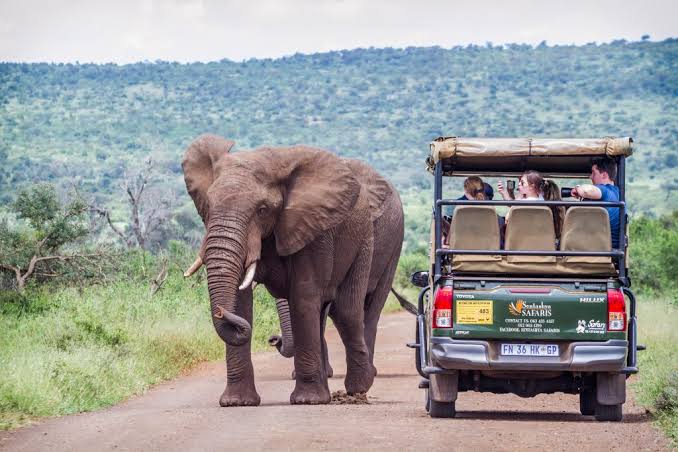
South Africa’s tourism industry has continued its impressive recovery, with international visitor arrivals climbing sharply during the first six months of 2026. The latest figures point to renewed confidence in the country’s travel sector, with stronger regional demand and expanding international connectivity helping to fuel one of the industry’s strongest performances since the global travel downturn.
International Arrivals Record Double-Digit Growth
South Africa welcomed 5.58 million international visitors between January and June 2026, representing a 12.3% increase compared with the same period last year. The figures underline the continued revival of one of the country’s most important economic sectors, which supports millions of livelihoods directly and indirectly.
The latest growth reflects increasing traveller confidence, improved accessibility and sustained demand for South Africa’s diverse tourism offerings, ranging from wildlife experiences and coastal destinations to business travel and cultural tourism.
Regional Travellers Lead the Recovery
The strongest contribution came from travellers within Africa, with arrivals from neighbouring and regional markets increasing by 14.3% year-on-year. The figures reinforce the growing importance of intra-African travel as governments and industry stakeholders continue to strengthen regional tourism partnerships and improve cross-border mobility.
Regional tourism has become an increasingly significant pillar of South Africa’s visitor economy. Short-haul travel is often more resilient during periods of global economic uncertainty, making African source markets an essential foundation for long-term industry stability.
Meanwhile, arrivals from overseas markets also continued to expand, rising by 5.6% over the same period. Although international long-haul travel typically recovers at a slower pace, the steady increase suggests that global demand for South Africa as a destination remains healthy.
Tourism Continues to Support Economic Growth
The tourism sector remains one of South Africa’s most important economic contributors. Increased visitor numbers generate demand across multiple industries, including aviation, accommodation, restaurants, transport services, retail, entertainment and local attractions.
Every additional international visitor creates opportunities for businesses ranging from large hotel groups and airlines to small tourism operators, restaurants, craft markets and community-based enterprises. The sector also plays a valuable role in earning foreign exchange and supporting employment across urban and rural economies.
As visitor volumes continue to recover, the positive impact is expected to extend well beyond traditional tourism businesses, benefiting supply chains and related industries throughout the country.
Improved Connectivity Boosts Confidence
Industry stakeholders attribute much of the recent growth to improved international and regional air connectivity, alongside stronger collaboration between tourism authorities, airlines and private-sector partners.
Expanded flight capacity, enhanced destination marketing and closer cooperation with regional markets have made South Africa more accessible while increasing its visibility among prospective travellers.
These improvements are expected to remain central to maintaining growth as competition between global tourism destinations intensifies.
Outlook for the Rest of 2026
The first-half performance places South Africa on a positive trajectory for the remainder of the year. If current trends continue, the country could record one of its strongest annual tourism performances in recent years.
While global economic conditions, exchange rates and aviation capacity will continue to influence international travel demand, the resilience shown by regional markets provides a strong foundation for sustained expansion.
For policymakers and the tourism industry alike, maintaining investment in infrastructure, marketing, visitor experiences and regional partnerships will be critical to ensuring that tourism remains a powerful driver of economic growth, employment and investment.