Nigeria and Ghana have strengthened their diplomatic partnership ahead of the upcoming African Union (AU) Summit, pledging to work together against xenophobia, Afrophobia and violence targeting African migrants across the continent.
The commitment follows high-level bilateral talks held during the Economic Community of West African States (ECOWAS) Mid-Year Summit in Freetown, Sierra Leone, where the two countries agreed that migration challenges should be addressed through lawful and cooperative measures rather than hostility or violence.
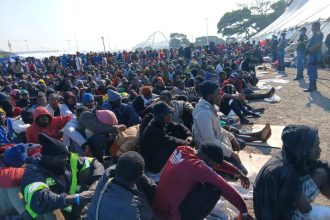
The discussions come amid heightened public debate in South Africa over illegal immigration, border management and community safety, issues that have drawn attention across the continent and prompted renewed calls for balanced, evidence-based policymaking.
Ministers condemn xenophobia and reaffirm Pan-African values
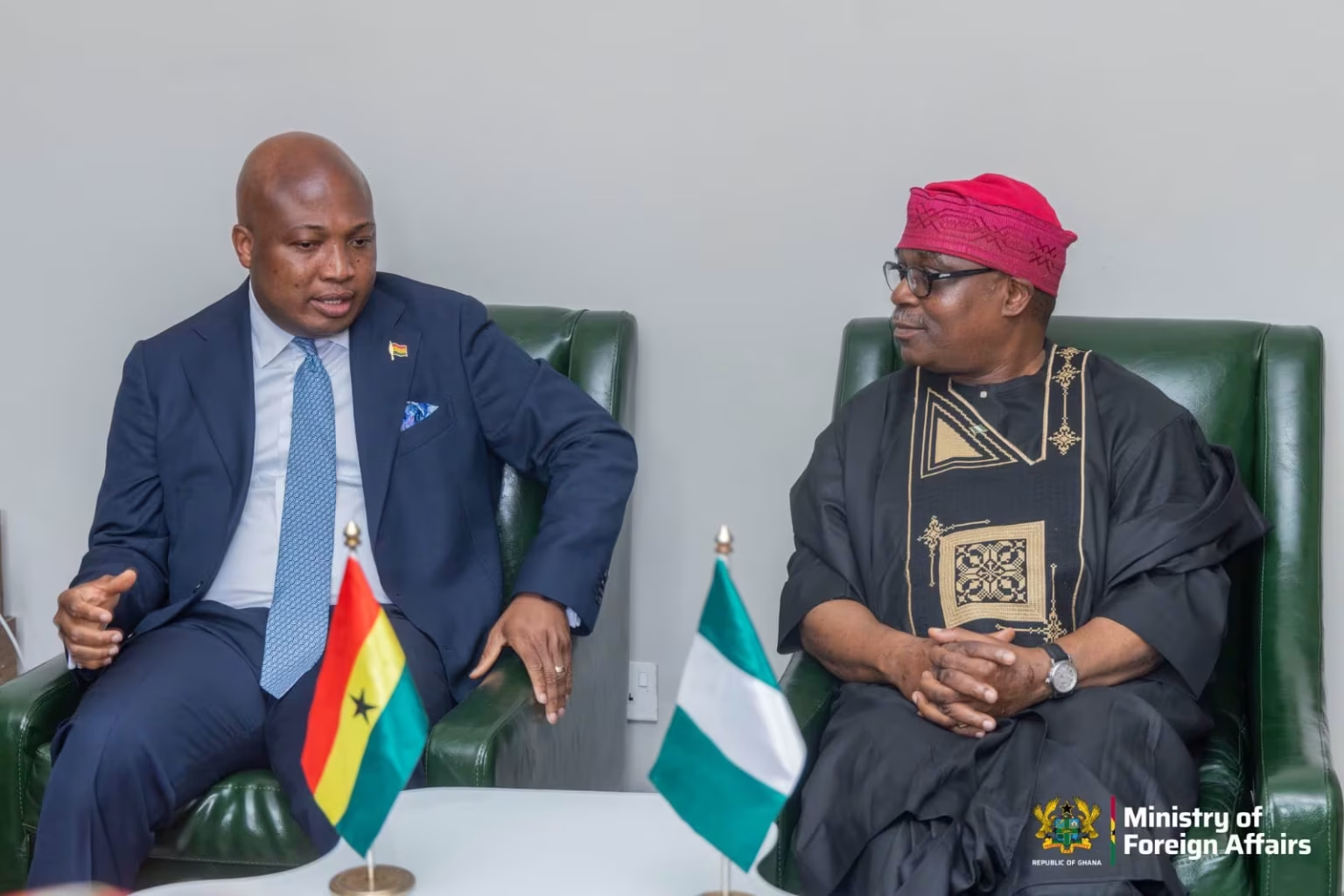
On 17 July 2026, Nigeria’s Minister of State for Foreign Affairs, Sola Enikanolaiye, met with Ghana’s Minister of Foreign Affairs, Samuel Okudzeto Ablakwa.
The ministers reaffirmed their countries’ longstanding diplomatic relationship while discussing migration, regional integration and reparative justice linked to the trans-Atlantic slave trade.
In a joint position, they expressed concern over reports of Afrophobic protests and attacks targeting African nationals in South Africa.
The ministers condemned xenophobia, intolerance and violence, warning that such actions undermine the principles of Pan-Africanism, regional cooperation, the African Union’s vision and the objectives of the African Continental Free Trade Area (AfCFTA).
They stressed that where migrants are suspected of criminal activity, allegations should be addressed through the justice system and due legal process rather than acts of vigilantism or mob violence.
Migration tensions remain under continental spotlight
Migration has become an increasingly prominent policy issue across Africa as governments attempt to balance border security, economic integration and the free movement of people.
In South Africa, public concern over illegal immigration has intensified in recent months, with some community organisations arguing that undocumented migration places additional pressure on employment opportunities, public services and local resources.
The South African government has consistently maintained that its enforcement operations are directed at illegal immigration and criminal activity, not at foreign nationals generally, rejecting suggestions that government policy targets migrants on the basis of nationality.
This distinction has become central to diplomatic discussions as African governments seek to avoid further regional tensions while addressing legitimate immigration and security concerns.
Stronger cooperation proposed
Nigeria and Ghana indicated that they would work with other African Union member states to strengthen regional mechanisms for monitoring migration-related tensions.
Among the proposals discussed were:
- Enhanced early warning systems to identify emerging tensions.
- Greater diplomatic cooperation between African governments.
- Improved legal protections for migrants.
- Expanded public education promoting tolerance and mutual respect.
- Increased collaboration through ECOWAS, the African Union and international organisations.
The ministers said these initiatives are intended to strengthen regional stability while protecting the rights and dignity of African migrants.
Recent migration figures illustrate growing pressure
Recent migration statistics highlight the scale of population movements currently affecting the region.
According to available official information:
- The Border Management Authority and Ghana’s High Commission facilitated the voluntary repatriation of 963 Ghanaian nationals from South Africa during operations conducted in May and June 2026.
- Between 10 June and 15 July 2026, 1,490 Nigerian nationals were evacuated or voluntarily repatriated amid increasing uncertainty surrounding immigration enforcement.
- Separately, the South African Department of Home Affairs deported 586 Nigerian nationals found to be in the country illegally and imposed five-year re-entry bans in accordance with immigration legislation.
These figures reflect a combination of voluntary departures, government-assisted repatriations and immigration enforcement actions, each governed by different legal and administrative processes.
Experts urge balanced regional dialogue
Immigration specialist Gideon Chitanga has urged African governments to avoid rhetoric that could deepen divisions between countries or communities.
Chitanga argued that while migration-related concerns deserve attention, governments should support lawful institutional responses rather than amplify narratives that may inflame tensions.
He encouraged African states to cooperate closely with South African authorities in addressing complex immigration challenges through legal and diplomatic channels.
According to Chitanga, stronger regional cooperation on socio-economic development, border management and security could contribute to reducing irregular migration while preserving continental unity.
He also cautioned that prolonged political disputes over migration risk distracting African institutions from broader priorities, including economic growth, regional trade integration and sustainable development.
A delicate balance between sovereignty and solidarity
The discussions between Nigeria and Ghana reflect a broader challenge confronting African governments: balancing each country’s sovereign right to enforce its immigration laws with the shared continental commitment to free movement, human rights and regional integration.
As preparations continue for the African Union Summit, migration is expected to remain a prominent topic alongside economic development, security cooperation and implementation of the African Continental Free Trade Area.
Whether these diplomatic commitments translate into practical policy initiatives will depend on continued engagement among African governments and a shared commitment to addressing migration challenges through lawful, cooperative and evidence-based solutions.