What began as a routine monthly utility charge has turned into a financial nightmare for a Johannesburg property owner, exposing deeper cracks in the city’s billing system.
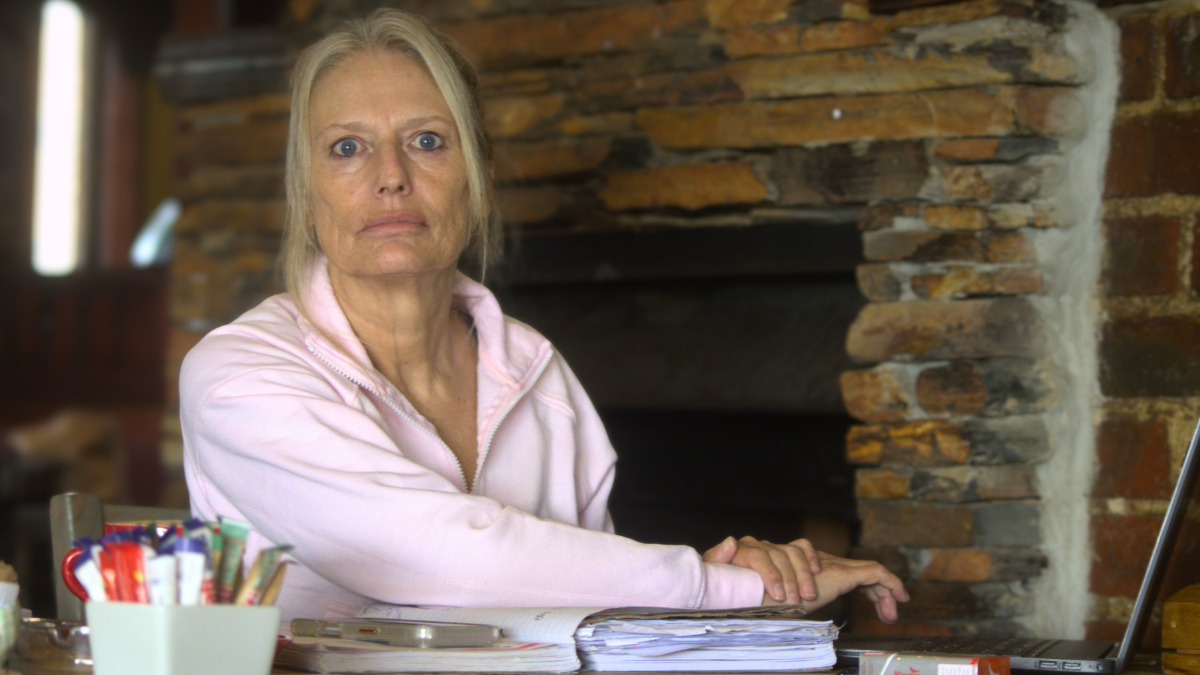
Jenny-Lee Bot is now battling a disputed water bill of nearly R2.9 million — a figure that has pushed her to the brink of possible bankruptcy and sparked renewed scrutiny of municipal accountability.
From R1,300 to R454,000 Overnight
The crisis began in 2023 at Bot’s rental property in Dainfern, when her water bill suddenly surged from just over R1,300 to more than R454,000 in a single month.
Subsequent bills escalated even further, with readings suggesting water usage in the thousands of kilolitres — levels experts say are virtually impossible for a standard residential property.
Specialists consulted on the matter indicated that such extreme consumption would likely result in visible flooding or structural damage. However, no such evidence was found at the property.
Dispute with City Authorities Deepens
Despite these findings, the City of Johannesburg and Johannesburg Water have reportedly maintained that the charges stem from an internal leak on the property.
Bot disputes this conclusion, arguing that the issue points to a faulty meter or systemic billing error.
Adding to the pressure, Johannesburg Water allegedly required a 50% payment upfront before formally addressing the dispute — a condition that significantly escalated the financial strain.
Financial Fallout and Personal Impact
The prolonged dispute has had serious consequences beyond the bill itself.
Bot has reportedly:
- Lost rental income after tenants vacated the property due to service disruptions
- Faced mounting debt linked to the disputed charges
- Been pushed to the edge of potential liquidation
What should have been a correctable administrative issue has instead evolved into a long-running financial crisis with real-life consequences.
Bigger Questions Around Municipal Billing
This case is not isolated. Across South Africa, residents have repeatedly raised concerns about:
- Sudden and unexplained billing spikes
- Delays in resolving disputes
- Limited transparency in municipal systems
Experts warn that outdated infrastructure, faulty meters, and administrative inefficiencies can contribute to such discrepancies — but the burden of proof often falls heavily on consumers.
In many cases, residents must navigate complex dispute processes while still being expected to make partial payments.
Why This Case Matters
Beyond the individual impact, Bot’s case highlights a broader issue: the imbalance of power between municipalities and consumers.
When billing errors occur, residents often face:
- Financial risk before investigations are concluded
- Limited access to independent verification
- Prolonged uncertainty affecting livelihoods
The situation raises critical questions about fairness, due process, and the need for more responsive and transparent systems.
What Happens Next?
As the dispute continues, the outcome could set an important precedent for how similar cases are handled in the future.
For now, Bot remains locked in a battle not just to clear her name — but to avoid financial collapse.
Final Word
A single bill should not have the power to upend a person’s life. Yet, in this case, it nearly has.
As South Africa grapples with infrastructure and governance challenges, stories like this underline the urgent need for accountability, system reform, and consumer protection.