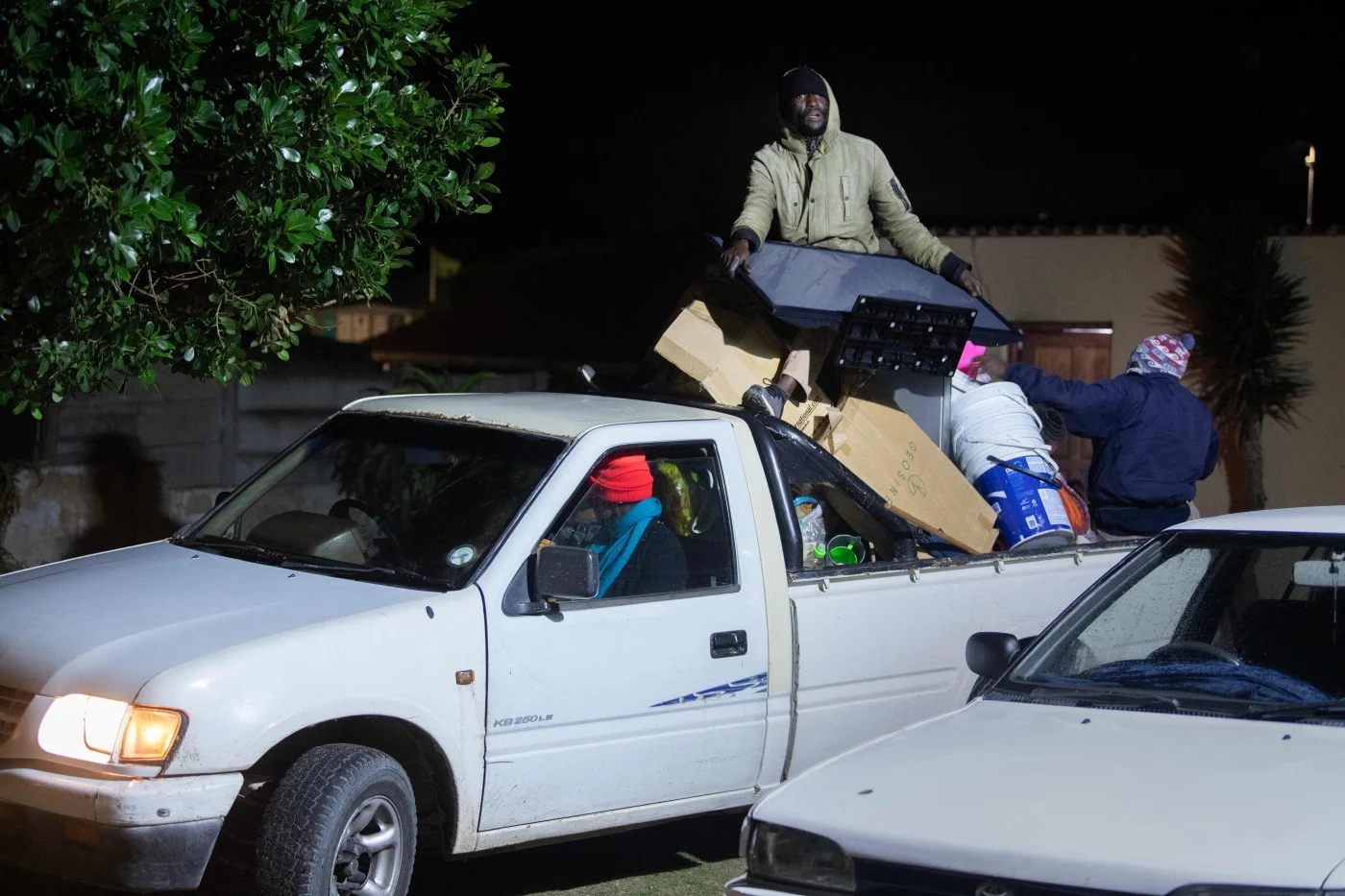
Hundreds of foreign nationals have been displaced across parts of the Western Cape following violent incidents linked to anti-migrant protests, prompting emergency shelter efforts and renewed concerns about xenophobia in South Africa.
Displaced residents, many originally from Malawi and Mozambique, have taken refuge in community halls, religious centres and temporary shelters after being forced to leave their homes amid growing hostility in several coastal towns.
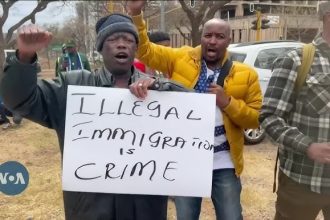
The unrest follows weeks of demonstrations by groups calling for the removal of undocumented foreign nationals, with some protests reportedly escalating into intimidation, forced evictions and property destruction.
Families Flee Homes Amid Fear and Uncertainty
Residents who sought shelter described scenes of panic as groups allegedly moved through neighbourhoods demanding that foreign nationals leave their communities.
Many reported spending nights in nearby mountains, bushes and open fields before finding safety at temporary shelters established by local authorities and community organisations.
Among those affected are long-term residents who have lived and worked in South Africa for years, contributing to sectors such as construction, agriculture, domestic work and small business.
Several displaced individuals said they were unable to return home due to fears for their safety, while others reported losing personal belongings and important documents during the unrest.
Violence Spreads Beyond Protests
The situation intensified after violence broke out in parts of the Western Cape, including the town of Mossel Bay, where dozens of informal structures were reportedly destroyed.
Authorities have confirmed fatalities involving foreign nationals, although investigations into the circumstances surrounding the deaths remain ongoing.
The government of Mozambique has expressed concern over the safety of its citizens and indicated that some affected individuals have already returned home, with more expected to follow.
Reports have also emerged of emergency repatriation efforts involving citizens from other African countries as fears of further violence persist.
Humanitarian Response Underway
Community halls in towns including Gansbaai, Kleinmond and Stanford have become temporary refuges for displaced families.
Volunteers, religious organisations and local residents have stepped in to provide food, blankets, clothing and other essentials to those affected.
In some locations, humanitarian workers and government officials are assisting displaced individuals with documentation issues after reports that passports and permits were lost or destroyed during the unrest.
The growing number of displaced people has placed significant pressure on local support structures, with concerns that existing facilities may struggle to accommodate further arrivals if tensions continue.
Growing Debate Over Immigration and Social Pressures
The latest incidents come amid an increasingly heated national debate over immigration, unemployment and access to public services.
South Africa continues to face significant economic challenges, including high unemployment levels, particularly among young people. These pressures have fuelled frustration in some communities, with undocumented migration becoming a focal point for protest movements.
However, political leaders, civil society groups and human rights organisations have repeatedly warned against blaming migrants for broader socio-economic challenges.
Critics argue that violence and intimidation not only violate constitutional rights but also risk deepening divisions within communities already struggling with poverty and inequality.
Concerns Over Rule of Law
The reports have also raised questions about law enforcement and community safety.
Allegations that some groups conducted door-to-door searches targeting foreign nationals have sparked calls for authorities to ensure that all residents, regardless of nationality or immigration status, are protected under the law.
Human rights advocates have urged government institutions to act swiftly to prevent further violence and ensure that affected families receive adequate support.
Legal experts note that while immigration enforcement falls within the state’s authority, private citizens cannot take the law into their own hands or engage in intimidation, violence or forced removals.
South Africa Faces Another Test of Social Cohesion
The latest unrest highlights the ongoing challenge of balancing immigration concerns with constitutional protections and human rights obligations.
For many of those sheltering in community halls, the immediate priority is safety. Yet the broader implications extend far beyond the affected towns, touching on questions of economic opportunity, governance, law enforcement and social cohesion.
As authorities continue investigations and humanitarian support efforts, communities across South Africa will be watching closely to see whether tensions ease or whether the country faces a wider escalation of anti-migrant violence.
Conclusion
The displacement of hundreds of foreign nationals in the Western Cape underscores the fragile state of social relations in some communities grappling with economic hardship and migration pressures. While concerns about undocumented immigration remain part of South Africa’s public debate, the violence and intimidation reported in recent days have renewed calls for lawful solutions that protect both community stability and human dignity.