Cape Town – The Parliamentary Portfolio Committee on Correctional Services has confirmed that Janusz Walus, the convicted killer of anti-apartheid leader Chris Hani, is unlikely to face parole revocation or be returned to South Africa, despite controversial statements made after his release.
Walus, who was convicted of Hani’s assassination in October 1993 and initially sentenced to death, had his sentence later commuted to life imprisonment. He was granted parole in December 2022, following a brief hospital stay, and subsequently deported to Poland in January 2025 after completing the mandatory three-year parole period, which officially ended in November 2024.
Post-Release Comments Spark Concern
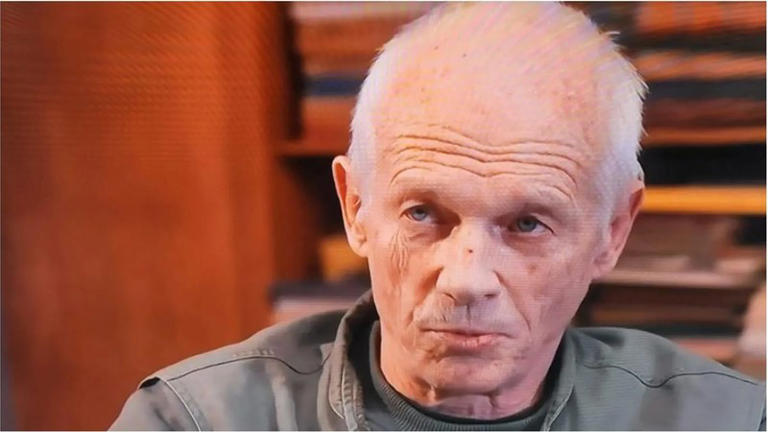
Walus’s post-parole comments during a media interview prompted some committee members to question whether he should be returned to face further consequences. The members expressed concerns over his version of events and suggested he might still pose a risk to public safety.
“The possibility of Walus repeating his actions was raised, along with questions about whether his remarks could constitute grounds for revocation,” said Acting Committee Chairperson Janho Engelbrecht.
However, the legal framework guiding parole revocation does not support such action in Walus’s case.
Legal Limits on Re-Arrest
Correctional Services Minister Pieter Groenewald clarified that Walus’s sentence fell under the Van Vuren Constitutional Court judgement, which pertains to life sentences imposed before 1 March 1994.
Under this ruling:
- Inmates sentenced before that date are eligible for parole after serving 10 years, or 15 years in more serious cases.
- After parole, a three-year supervision period is enforced, after which they are no longer subject to correctional supervision.
“Over 360 life sentence inmates benefited from the Van Vuren judgment, including Janusz Walus,” Engelbrecht noted.
Given that Walus served both his sentence and the parole period, there is no legal avenue for re-arrest or return based solely on his comments, no matter how inflammatory they may be.
Background: The Hani Assassination
Chris Hani, then the General Secretary of the South African Communist Party and a prominent figure in the liberation struggle, was assassinated on 10 April 1993. The murder, carried out by Walus, a Polish immigrant and far-right sympathizer, nearly plunged South Africa into civil unrest during the country’s transition to democracy.
Walus was sentenced alongside Clive Derby-Lewis, who was identified as the mastermind behind the killing. Derby-Lewis died in 2016 after being granted medical parole.
Mixed Political and Public Reaction
The decision to release Walus on parole was met with nationwide outrage and criticism from political parties, civil society, and Hani’s family. His recent media comments, perceived by many as unapologetic or revisionist, have reignited anger and frustration, especially among those who view his release as an affront to justice.
Final Word
Despite public outcry and committee concerns, the legal conditions for parole revocation do not apply in Walus’s case. His deportation and completion of the parole period under the Van Vuren ruling effectively close the door on further correctional oversight.