
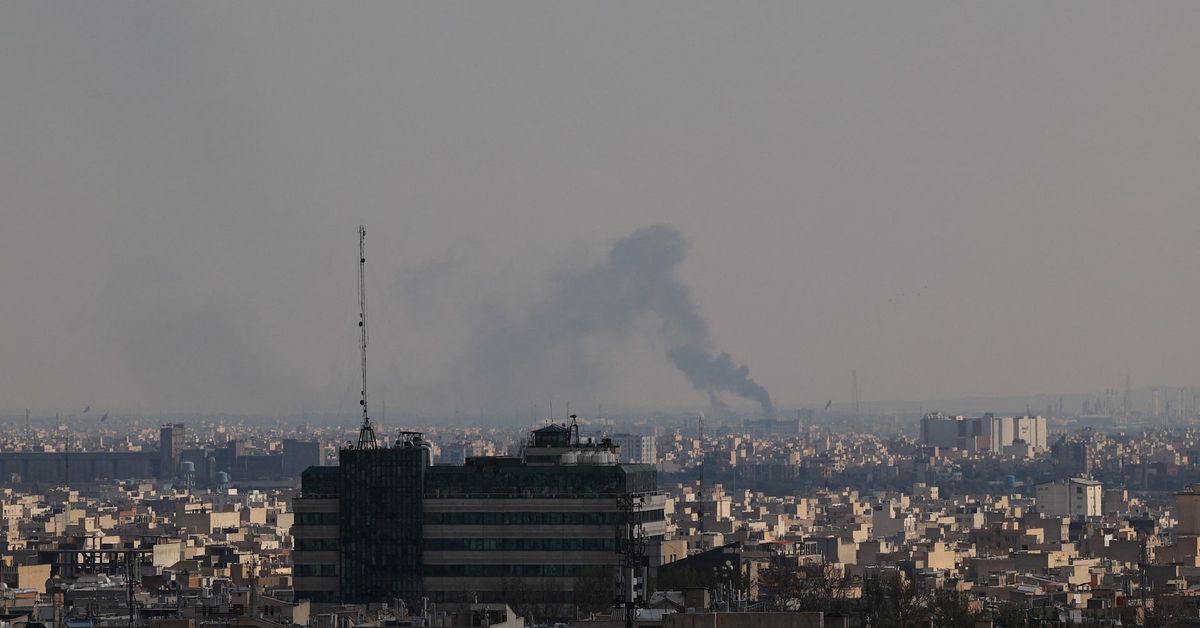
Tehran has reportedly turned down a 48-hour ceasefire proposal put forward by the United States, according to Iranian media sources.
The development underscores the fragile state of diplomatic efforts as tensions continue to escalate in the region.
Proposal Delivered Through Third Party
According to reports by Fars News Agency, the ceasefire proposal was delivered earlier this week via an unnamed intermediary country.
An unnamed source cited by the outlet claimed that Iranian authorities declined the offer, though no official government statement has been issued to confirm the decision.
No Immediate Response from Washington
As of now, there has been no formal confirmation or response from U.S. officials regarding the reported rejection.
The lack of official statements from both sides reflects the sensitive and fluid nature of ongoing diplomatic engagements.
Ceasefire Efforts Face Ongoing Challenges
The reported rejection highlights the broader difficulty in securing even short-term pauses in hostilities.
Temporary ceasefires are often pursued to:
- Allow humanitarian aid access
- Create space for negotiations
- De-escalate military tensions
However, deep political and strategic divisions continue to hinder progress.
Regional and Global Implications
Any setback in ceasefire talks has wider consequences, including:
- Increased risk of prolonged conflict
- Volatility in global energy markets
- Heightened geopolitical uncertainty
For countries monitoring the situation—including those in Africa—the ripple effects may be felt through fuel prices and economic pressures.
Final Thoughts
While the reported rejection remains unconfirmed by official channels, it signals that diplomatic pathways remain uncertain.
With no clear breakthrough in sight, the focus now shifts to whether backchannel negotiations can revive efforts to stabilise the situation.
Call to Action:
Follow Virgo for real-time updates on global conflicts and their impact on Africa and beyond. Share this story to stay informed.