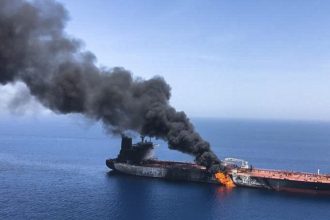
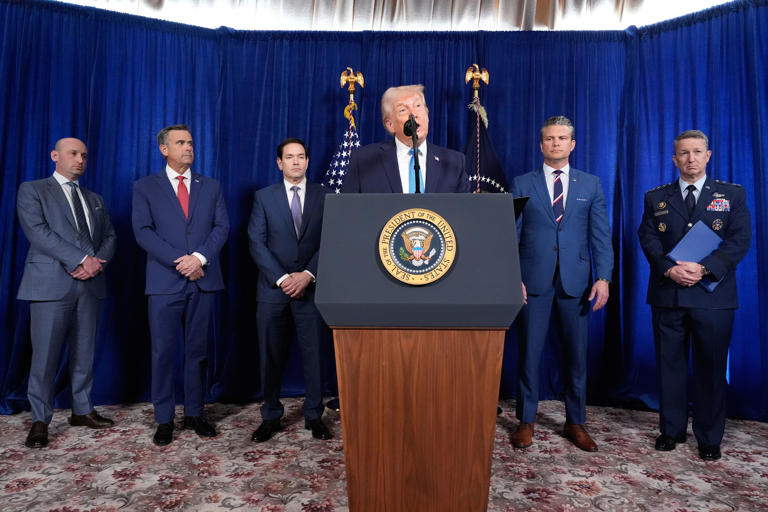
A high-stakes standoff between the United States and Iran has escalated dramatically, with President Donald Trump issuing a stark warning ahead of a deadline for Tehran to reopen the strategically critical Strait of Hormuz.
With only hours to go before the cutoff, there were no clear signs of compromise, fuelling fears of a major escalation in the conflict.
“A Whole Civilisation Will Die”
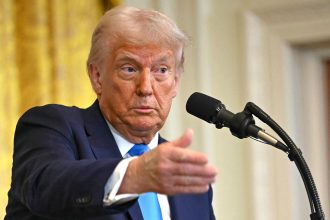
Trump intensified rhetoric by warning of catastrophic consequences if Iran failed to comply.
In a social media post, he suggested that failure to reach a last-minute agreement could lead to devastation on an unprecedented scale—comments that have drawn sharp criticism from analysts and legal experts.
Some observers argue that such language raises serious concerns under international law, given the scale of destruction implied.
Iran Stands Firm Amid Pressure
Iran has reportedly refused to reopen the Strait of Hormuz without significant concessions, including:
- An end to ongoing military strikes
- Guarantees against future attacks
- Compensation for damage caused
Tehran has also insisted on maintaining control over the vital shipping route, proposing new conditions for international transit.
Strategic Waterway at the Centre of Crisis
The Strait of Hormuz is one of the world’s most important corridors, with roughly a fifth of global oil and gas supplies passing through it.
Its closure—or restricted access—has immediate global implications:
- Rising fuel prices
- Supply chain disruptions
- Economic pressure on import-dependent nations
Military Escalation Intensifies
As diplomatic efforts stall, military activity has escalated sharply.
Reports indicate that:
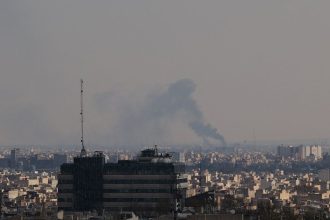
- Key infrastructure in Iran, including bridges and energy facilities, has been targeted
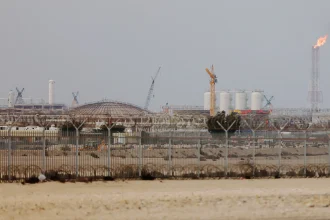
- Iranian forces have responded with threats and alleged strikes on regional energy sites
- Gulf nations are increasingly at risk of being drawn into the conflict
Iran has warned it could target allied infrastructure across the region if attacks continue.
Mediation Efforts Underway
Pakistan has emerged as a key intermediary, attempting to broker a temporary ceasefire.
Proposals reportedly include:
- A short-term truce
- Partial reopening of the strait
- Continued negotiations toward a broader settlement
However, Iranian sources suggest that any agreement must involve a permanent end to hostilities, making a quick breakthrough unlikely.
Global Markets on Edge
Despite the escalating rhetoric, global markets have shown caution, with investors uncertain whether the threats will translate into full-scale military action.
The situation remains highly unpredictable, with previous instances where deadlines were extended or de-escalated at the last moment.
Human and Regional Risks
Beyond geopolitics, the potential humanitarian impact is severe:
- Disruption of essential services in affected regions
- Risk to civilian populations
- Long-term instability across the Middle East
The possibility of infrastructure targeting raises concerns about access to electricity, water, and healthcare.
Final Thoughts
The current standoff represents one of the most volatile moments in recent geopolitical history.
With both sides holding firm and rhetoric escalating, the coming hours could prove—not only for the region but for the global economy.
Whether diplomacy prevails or conflict deepens will shape the trajectory of international relations in the months ahead.
Call to Action:
Stay informed with Virgo for real-time updates on global conflicts and their impact on Africa and the world. Share responsibly and follow for trusted news coverage.