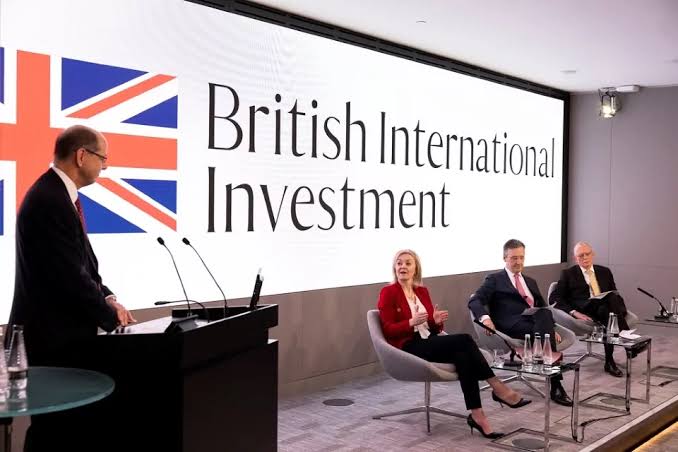
The United Kingdom is preparing a major investment push into some of Africa’s most overlooked economies, with its development finance institution committing approximately £2.25 billion (US$3 billion) over the next five years.
- BII Targets Africa’s Most Overlooked Investment Markets
- £9 Billion Strategy Combines Direct Investment and Private Capital
- Energy, Ports, Railways and Digital Infrastructure Among Priorities
- BII’s Wider Investment Ambitions Extend Beyond Africa
- Why the Investment Matters for Africa
- A Different Approach to Financing Africa’s Development
British International Investment (BII) intends to direct the funding towards countries and markets where major institutional investors have been reluctant to commit capital, creating opportunities for businesses and infrastructure projects that struggle to secure long-term financing.
The commitment forms part of BII’s broader £9 billion investment strategy for Africa between 2026 and 2031, highlighting the growing role of development finance institutions in supporting economic growth across the continent.
Rather than concentrating exclusively on established investment destinations, the strategy seeks to reach markets where financial risks, limited infrastructure and structural challenges have restricted access to funding.
BII Targets Africa’s Most Overlooked Investment Markets
BII’s planned £2.25 billion allocation represents approximately a quarter of its overall African investment commitment.
The institution intends to work alongside local partners to overcome barriers that prevent capital from reaching businesses and essential infrastructure projects.
Chief executive Leslie Maasdorp acknowledged that some African economies remain difficult to attract major international institutional investors.
He pointed to countries such as Burundi and the Democratic Republic of Congo as examples of markets where attracting large investment funds cannot be taken for granted.
“We are very realistic and recognize that we’re not going to get BlackRock to come and invest in Burundi or in the Democratic Republic of Congo,” Maasdorp said.
The approach reflects an investment strategy built around working with partners who understand local markets and can help navigate the risks associated with operating in less-established economies.
£9 Billion Strategy Combines Direct Investment and Private Capital
Under its 2026–2031 African investment strategy, BII plans to invest £5 billion directly while mobilising an additional £4 billion from external partners.
This model is intended to extend the impact of its own funding by attracting additional investment into projects that might otherwise struggle to secure financing.
The broader objective is to strengthen African businesses, improve infrastructure and deepen local financial markets.
Development finance institutions increasingly play an important role in this process because many African economies face challenges that discourage conventional commercial investors.
These include currency volatility, infrastructure shortages and limited access to long-term financing.
By taking positions in more challenging markets, BII aims to help create conditions that could encourage further investment from other financial institutions.
Energy, Ports, Railways and Digital Infrastructure Among Priorities
Infrastructure development is central to the investment programme, with funding expected to support projects across several economically important sectors.
The targeted areas include:
-
Power generation: Supporting electricity infrastructure and expanding access to reliable energy.
-
Ports: Improving infrastructure needed to facilitate trade and commercial activity.
-
Railways: Supporting transport networks that connect businesses, industries and markets.
-
Telecommunications: Expanding digital connectivity through infrastructure such as telecommunications towers.
-
Data centres: Supporting the infrastructure required for growing digital economies and data services.
These sectors are important to Africa’s wider economic development because reliable electricity, efficient transport and digital connectivity are essential for businesses to operate and expand.
The investment strategy also seeks to strengthen productive sectors that can contribute to employment, economic activity and improved access to markets.
BII’s Wider Investment Ambitions Extend Beyond Africa
While the African commitment forms a significant part of the institution’s plans, BII has established a broader investment target of £15 billion across Africa and its other investment markets over the next five years.
The strategy reflects a wider effort among development finance institutions to attract private capital into economies that commercial investors often consider too risky.
BII is also exploring opportunities to expand its partnerships with African financial institutions.
One example is its interest in participating in an investment fund being developed by Nigeria’s sovereign wealth manager and Japan’s development agency.
The proposed collaboration signals the institution’s interest in working with established regional and international partners to unlock additional funding for African businesses.
Why the Investment Matters for Africa
Africa’s infrastructure requirements remain substantial, while many businesses face difficulties obtaining the long-term capital needed to expand operations.
Investment in electricity, transport and digital networks can help address some of these constraints, making it easier for companies to operate, trade and compete.
However, attracting investment into less-established markets requires more than financial commitments. Currency risks, regulatory uncertainty, political conditions and the viability of individual projects can all influence whether funding translates into sustainable economic activity.
BII’s strategy therefore places considerable importance on local partnerships and strengthening financial markets rather than relying solely on direct investment.
If successfully implemented, the programme could help unlock opportunities in countries that have struggled to attract traditional international capital.
A Different Approach to Financing Africa’s Development
The £2.25 billion commitment represents an important part of the UK’s broader development finance approach to Africa.
By directing funding towards markets that receive less attention from major institutional investors, British International Investment is positioning itself to support projects that may otherwise remain unfunded.
The combination of direct investment and additional private capital could increase the resources available for infrastructure and business development across the continent.
Ultimately, the success of the strategy will depend on whether the money reaches viable projects, strengthens local economies and attracts further investment beyond the initial commitments.
For Africa’s overlooked markets, the initiative could offer an important opportunity to address infrastructure gaps and expand access to the capital needed for long-term economic growth.