In a landmark and highly symbolic decision, the United Nations has formally declared the transatlantic slave trade as “the gravest crime against humanity”, intensifying global calls for reparations and justice for descendants of enslaved Africans.
The resolution, adopted in New York, marks one of the strongest international acknowledgements of the scale and enduring impact of slavery on modern society.
Overwhelming Support—But Not Without Division
The vote revealed a clear global divide.
- 123 countries voted in favour
- 3 countries opposed: Argentina, United States, and Israel
- More than 50 countries abstained, many of them European nations
The resolution was led by Ghana, reflecting growing momentum from African and Caribbean states to push for formal recognition and reparatory action.
A Push for Reparations and Historical Accountability
Beyond its symbolic weight, the resolution calls for “reparatory justice”, urging countries to move beyond expressions of regret toward tangible action.
Proposals outlined include:
- Formal apologies from former colonial powers
- Financial compensation
- Return of looted cultural artefacts
- Institutional reforms to address systemic racism
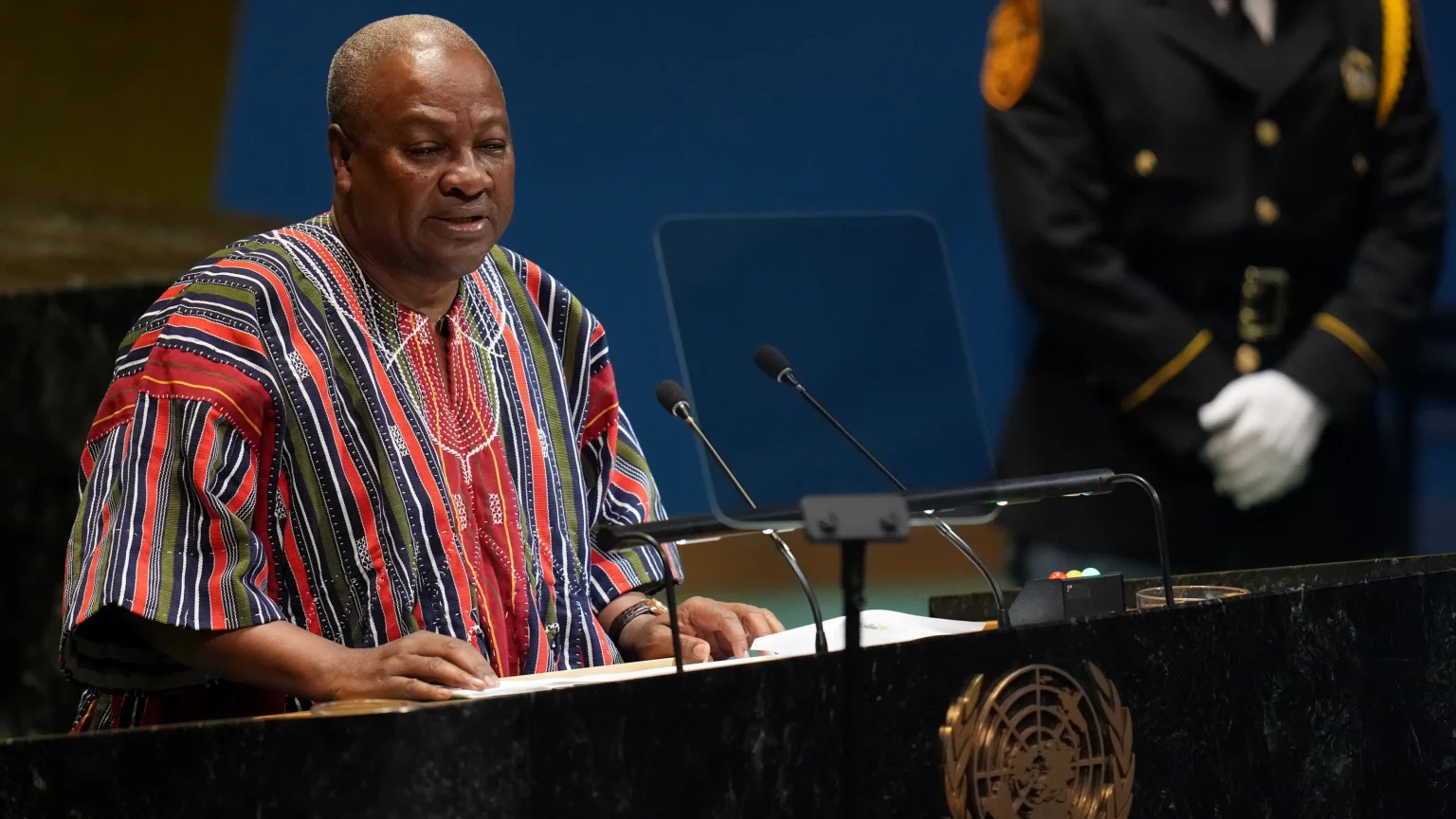
Ghana’s President John Dramani Mahama framed the vote as a moral milestone, stating that it honours the memory of millions who suffered under slavery.
Why This Resolution Matters
While the resolution is not legally binding, it carries significant political and moral influence.
It formally recognises the transatlantic slave trade as:
- A defining rupture in global history
- A system that shaped modern inequality
- A root cause of ongoing racial and economic disparities
Advocates argue that acknowledging this history is essential to addressing present-day challenges such as inequality, underdevelopment, and systemic discrimination.
Opposition Centres on Legal and Ethical Concerns
The United States strongly opposed the resolution, arguing that:
- There is no legal basis for reparations tied to actions that were not illegal under international law at the time
- Ranking crimes against humanity could diminish the suffering of victims of other atrocities
This position highlights a broader resistance among some nations to the idea of financial or legal accountability for historical injustices.
Renewed Debate on Reparations
The vote has reignited global debate around reparations—a topic that has gained traction in recent years but remains deeply contested.
Momentum for reparations increased following events like the murder of George Floyd, which sparked worldwide protests and renewed scrutiny of racial inequality.
However, political divisions, particularly in Western countries, continue to slow progress on concrete measures.
Africa’s Position: Reframing History’s Impact
African representatives emphasised that the resolution is not about creating a hierarchy of suffering but about recognising the unique, world-shaping impact of the transatlantic slave trade.
According to African Union voices, the system of slavery laid the foundation for:
- Colonial exploitation
- Global economic imbalances
- Persistent racial inequalities
This framing seeks to reposition the conversation from historical acknowledgement to structural accountability.
Global Implications
The resolution could influence:
- Diplomatic relations between Africa, the Caribbean, and Western nations
- Cultural restitution efforts involving museums and archives
- Policy discussions on inequality and development
It may also increase pressure on governments to formally address historical injustices in both domestic and international forums.
Final Thoughts
The UN’s declaration marks a significant shift in how the world officially recognises the legacy of the transatlantic slave trade.
While it stops short of enforcing reparations, it strengthens the moral and political case for action—ensuring that the conversation around justice, memory, and accountability remains firmly on the global agenda.
Call to Action:
Stay informed with Virgo for deeper insights into global history, politics, and justice. Share this story and join the conversation on reparations and accountability.