South Africa’s immigration debate has taken a sharper turn after government officials confirmed a critical gap in data: the state does not know how many undocumented foreign nationals are currently in the country.
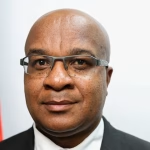
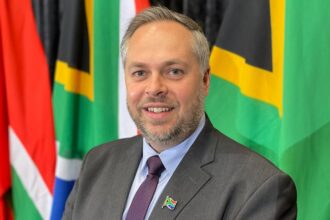
Deputy Minister Njabulo Nzuza acknowledged the uncertainty, highlighting the complexity of tracking individuals who enter or remain in the country outside official systems.
Government Admits Data Limitations
Speaking in a recent interview, Nzuza explained that undocumented migration is difficult to quantify because many individuals either enter South Africa through unofficial routes or become undocumented after overstaying legal visas.
He noted that:
- Some foreign nationals enter legally but exceed their 90-day visa limits
- Others bypass formal border controls entirely
- Existing systems are not equipped to track all undocumented individuals
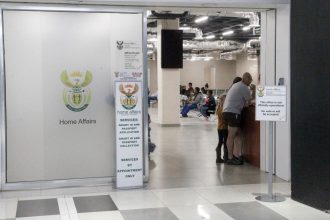
As a result, the Department of Home Affairs cannot provide a definitive figure — a reality that complicates both policy planning and enforcement.
Deportation Process Under Review
Nzuza also emphasised that deportation is not a simple administrative action, but a legally regulated process that requires strict adherence to due process.
To address delays and inefficiencies, the department is working on proposed legislative changes aimed at:
- Streamlining deportation procedures
- Reducing administrative bottlenecks
- Ensuring compliance with constitutional and legal safeguards
He cautioned, however, that legal protections must remain in place, even as the system is reformed.
Rising Public Pressure and Protests
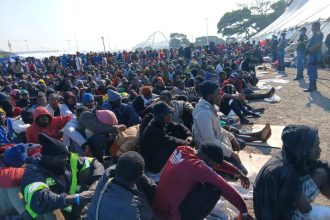
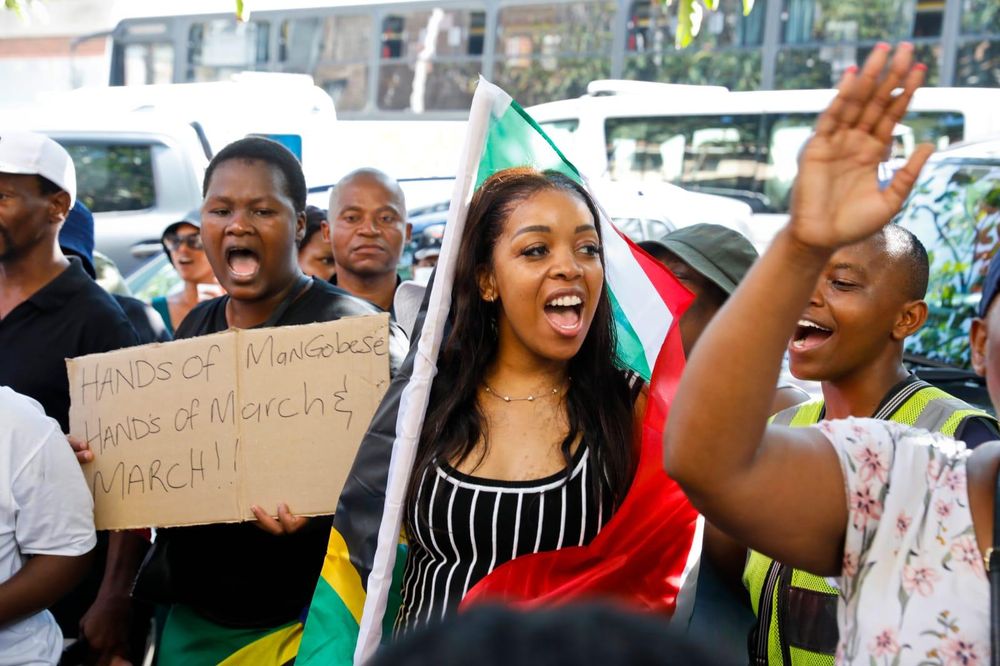
The admission comes amid growing public frustration over illegal immigration, with recent protests held in major cities including Johannesburg, Pretoria and Durban.
In Johannesburg, demonstrators marched to the office of Panyaza Lesufi on 30 April 2026, submitting a memorandum demanding stronger enforcement and the deportation of undocumented migrants.
Similar demonstrations have echoed across the country, reflecting heightened tensions between communities, advocacy groups and foreign nationals.
Economic Pressures Fuel the Debate
Nzuza acknowledged that immigration concerns are increasingly tied to broader socio-economic challenges.
He pointed to:
- Competition for limited resources
- Pressure on public services
- Strain within the job market
These factors have intensified public discourse, with immigration often framed within the context of unemployment and service delivery challenges.
Call for Community Cooperation
In response, the Deputy Minister called on communities and civil society organisations to work alongside government in identifying undocumented individuals.
While this approach may assist enforcement efforts, it also raises important questions around human rights, social cohesion and the risk of vigilantism — issues that continue to shape the national conversation.
A Complex Policy Challenge
South Africa’s immigration landscape remains one of the most complex in the region, balancing:
- Border security and enforcement
- Economic realities
- Human rights obligations
- Regional migration dynamics
The lack of reliable data adds another layer of difficulty, making it harder for policymakers to design effective, evidence-based solutions.
Final Word
As protests grow and pressure mounts, the government faces a difficult task: restoring public confidence while ensuring that immigration policies remain lawful, humane and practical.
Without accurate data, that challenge becomes even greater — turning immigration into not just a political issue, but a test of governance itself.