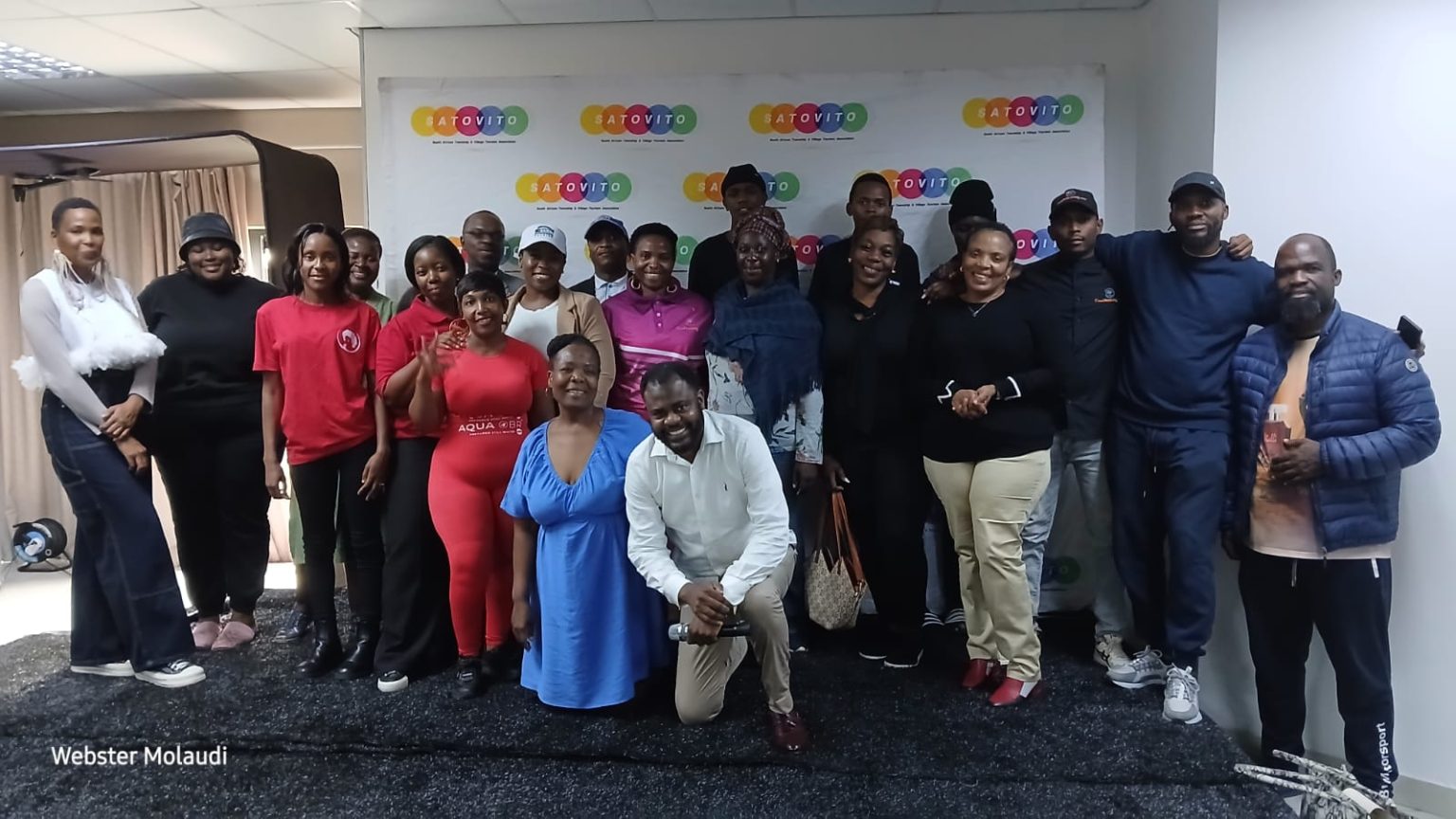
The Township & Village Tourism Expo concluded successfully at The Soshanguve Hotel, bringing together tourism entrepreneurs, government representatives, and industry stakeholders to discuss opportunities for strengthening township and village tourism in South Africa.
Hosted under the leadership of South African Township and Village Tourism Organisation (SATOVITO), the expo served as a platform to empower small and medium tourism enterprises (SMEs), promote authentic township experiences, and connect local businesses with broader markets.
Promoting Authentic Township Tourism
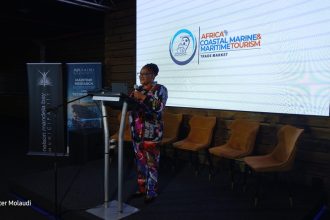
During the opening session, Lusanda Fibi highlighted the importance of collaboration in strengthening township and village tourism enterprises. SATOVITO continues to advocate for a unified voice for SMEs, ensuring that township-based tourism products and experiences receive recognition and access to international markets.
The organisation’s mandate focuses on marketing local tourism products and authentic cultural experiences offered by townships and villages to global audiences. Stakeholders also emphasized the importance of establishing recognised township tourism routes and improving access to markets so that local tourism businesses can participate more effectively in the global tourism economy.
A key theme throughout the workshop was that township tourism allows visitors to experience authentic stories and cultures that cannot be fully understood through online research alone. These real-life experiences offer tourists deeper engagement with communities, traditions, food, and everyday life in South Africa’s townships and villages.
Tourism Grading and Global Competitiveness
Another major discussion point was the role of quality standards in strengthening tourism credibility. The Tourism Grading Council of South Africa, operating under South African Tourism, continues to play an important role in grading tourism establishments across the country.
Grading helps international and domestic tourists identify establishments that meet recognised standards of service and quality, giving them confidence when booking experiences in township and village destinations.
Speakers also compared international tourism performance. For example, Morocco reportedly receives more than 20 million tourists annually due to its geographical proximity to the European Union, making travel easier for European visitors. South Africa faces different geographic and logistical challenges, yet the country still attracts high-value tourists who tend to spend more during their visits.
One of South Africa’s strongest competitive advantages remains its multi-cultural tourism offering, where visitors can experience diverse cultures, languages, food, and traditions within a single province. This unique diversity positions the country as one of the most culturally rich tourism destinations in the world.
Digital Transformation and Innovation in Tourism
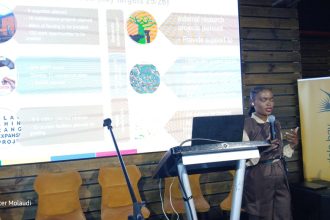
Digital transformation emerged as a critical focus area during the workshop presentations. Ursula Zondo from the National Department of Tourism highlighted how technology and innovation are reshaping the tourism industry.
She emphasised that modern travellers increasingly rely on online searches, digital platforms, and easy booking systems when choosing travel experiences. As a result, township and village tourism businesses must strengthen their digital presence to remain competitive in the global tourism marketplace.
Digital visibility allows tourism entrepreneurs to showcase their offerings online, reach international audiences, and make it easier for travellers to discover and book experiences. Innovation, digital thinking, and technology adoption were highlighted as essential tools for expanding tourism businesses and improving market reach.
Supporting Community Tourism Enterprises
The Department of Tourism also shared insights into several initiatives aimed at supporting community tourism enterprises and improving participation in the tourism economy.
Among the programmes discussed was the Community Tourism Enterprises Incubation Programme, which currently supports six community-based tourism projects. The department is also reviewing its Enterprise Development Framework and has invited stakeholders to contribute insights and recommendations to help guide the programme’s future direction.
Industry stakeholders are encouraged to submit their inputs to edframework@tourism.gov.za, with submissions open until March 2026.
Tourism Development Support Programmes
Several support mechanisms available to tourism entrepreneurs were also highlighted during the presentations, including:
Tourism Transformation Fund (TTF)
A funding programme that combines debt finance and grant funding to support tourism development projects with majority black ownership. The fund is administered through the National Empowerment Fund.
Green Tourism Incentive Programme (GTIP)
A programme designed to support tourism businesses in adopting energy-efficient and environmentally sustainable solutions.
Market Access Support Programme (MASP)
An initiative aimed at helping tourism businesses access new markets and expand their visibility in both domestic and international tourism sectors.
Tourism Grading Support Programme (TGSP)
A programme that assists tourism enterprises with the costs associated with grading their establishments through the Tourism Grading Council of South Africa.
Strengthening the Future of Township Tourism
The Township & Village Tourism Expo highlighted the importance of collaboration between government, industry bodies, and entrepreneurs in unlocking the full potential of township and village tourism.
Through knowledge sharing, policy discussions, and industry networking, the event reinforced the importance of empowering SMEs, improving digital visibility, maintaining quality standards, and promoting authentic cultural experiences.
As township and village tourism continues to grow, initiatives such as this expo play a vital role in ensuring that local communities benefit from tourism development while showcasing South Africa’s rich cultural heritage to the world.