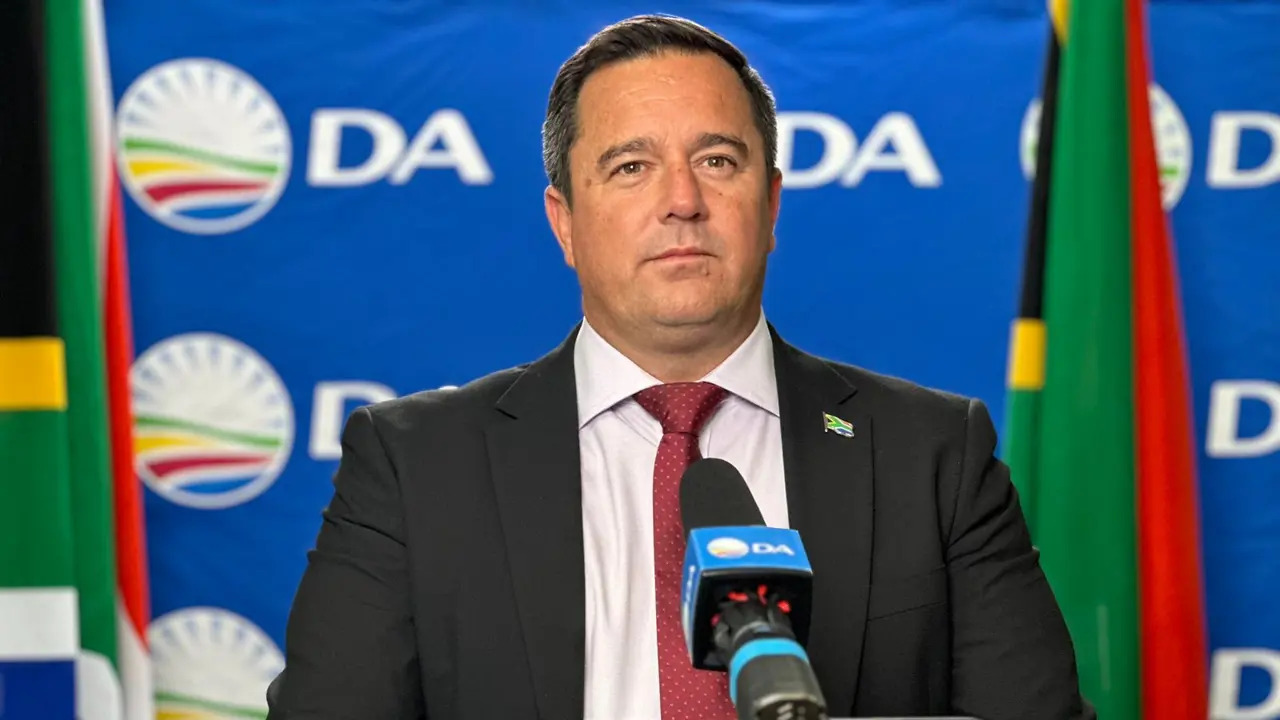
The legal standoff over South Africa’s foot-and-mouth disease (FMD) vaccination strategy has escalated, with business lobby group Sakeliga demanding an urgent and formal response from Agriculture Minister John Steenhuisen.
Sakeliga has given the minister until Friday, 30 January, to reply to a legal demand questioning whether the state may lawfully restrict private procurement and administration of FMD vaccines. The organisation has warned that failure to provide a clear legal position could trigger urgent court action.
The dispute centres on who is legally entitled to source and administer FMD vaccines, a matter that has gained urgency amid ongoing outbreaks and concerns about South Africa’s animal health status.
Minister warns of risks to national rollout
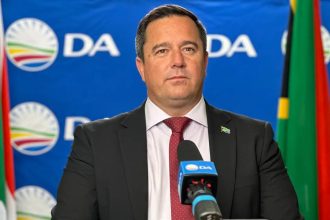
The confrontation follows a media statement issued earlier this week by Steenhuisen, in which he cautioned that threatened litigation by Sakeliga, the Southern African Agri Initiative (SAAI) and Free State Agriculture could undermine the national FMD vaccination rollout.
The minister argued that legal action could divert limited veterinary capacity and financial resources away from outbreak control at a critical moment. He maintained that foot-and-mouth disease is a state-controlled disease under the Animal Diseases Act, requiring a strictly centralised vaccination programme.
According to Steenhuisen, this approach is essential for South Africa to regain its “FMD-free status with vaccination” from the World Organisation for Animal Health. He also warned against what he described as reckless calls for unrestricted access to vaccines, suggesting such moves could compromise disease control efforts.
Sakeliga rejects minister’s response
Sakeliga has dismissed the minister’s public statement as inadequate, arguing that it does not meet the requirements set out in its formal letter of demand.
In a statement, the organisation said Steenhuisen’s response “falls short of complying with our requirements” and criticised it for vagueness and lack of legal substance. Sakeliga added that while the minister’s swift public reaction was notable, it did not address the core legal questions raised.
“Due to vagueness and other shortcomings, the Minister’s media statement cannot be considered an appropriate response,” the organisation said.
Sakeliga claimed its legal advisers, acting on behalf of Sakeliga, SAAI and Free State Agriculture, had found “no statutory impediment” to the private procurement and administration of the FMD vaccine.
Demand for a clear legal position
The organisation has now formally requested that Steenhuisen state in writing whether he agrees or disagrees with that interpretation. If he disagrees, Sakeliga has demanded that he provide a detailed legal explanation, including references to the specific legislation and documents on which he relies.
According to Sakeliga, the response is necessary to determine whether a formal legal dispute exists.
“It remains crucial for the Minister to provide a forthright response to our questions, since that response would make clear whether an actual dispute between the Minister and Sakeliga, SAAI, and Free State Agriculture exists,” the organisation said.
Sakeliga warned that if it concludes the minister or his associates are unlawfully obstructing private vaccine procurement or administration, it would have a duty to pursue urgent litigation.
Disagreement over impact of litigation
Sakeliga has also challenged Steenhuisen’s assertion that litigation would delay the state’s response to foot-and-mouth disease. While acknowledging the minister’s stated desire to avoid court action, the organisation accused him of misrepresenting the legal consequences of any potential case.
“What is not welcome is the Minister’s misrepresentation that the potential litigation would require suspending any lawful conduct by him or his associates, or that it would delay the state’s response to FMD,” Sakeliga said, describing this as incorrect in both fact and law.
The group argued that any court action would be carefully structured to avoid interfering with lawful state measures. It insisted that litigation would not require the minister to suspend disease control activities or relieve officials of their obligations arising from FMD’s classification as a state-controlled disease.
Broader implications for agriculture
The dispute has highlighted deeper tensions within South Africa’s agricultural sector over disease control, state capacity and the role of private actors in responding to biosecurity threats. With foot-and-mouth disease posing serious risks to livestock producers and export markets, the outcome of the legal confrontation could have far-reaching consequences.
For now, attention turns to whether Steenhuisen will issue the detailed legal response demanded by Sakeliga, or whether the matter will move swiftly into the courts, adding legal pressure to an already complex disease control challenge.