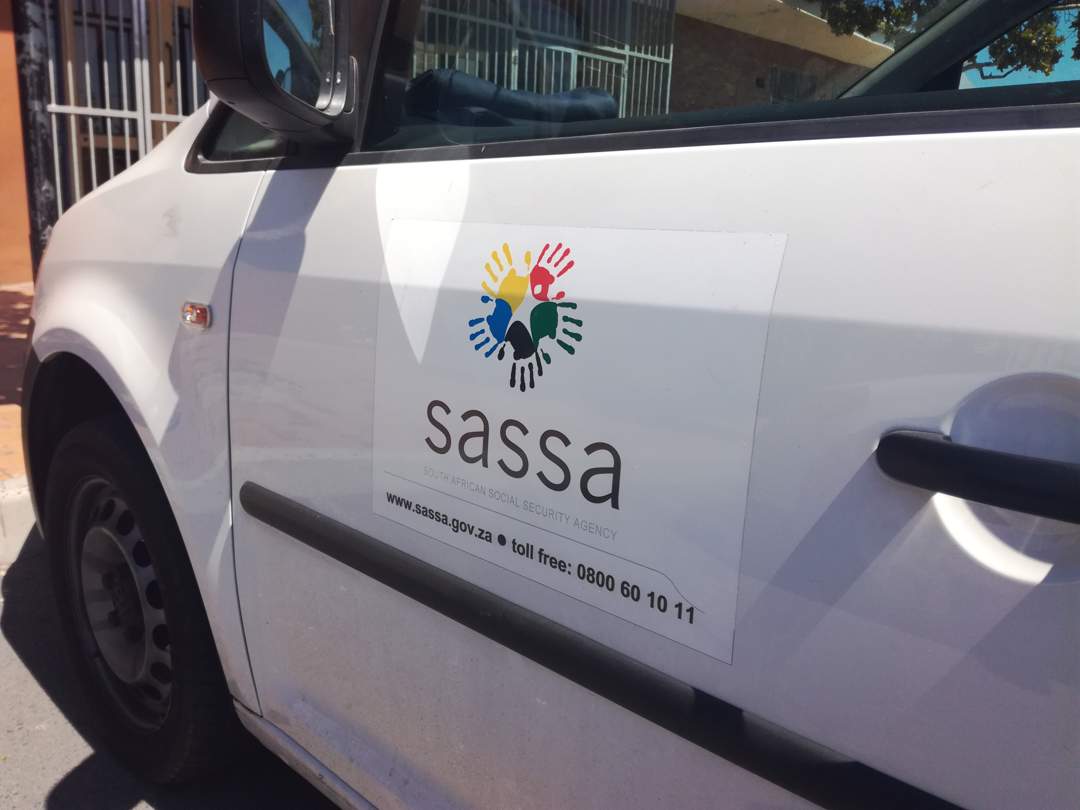
South Africa’s highest court has delivered a decisive ruling against Cash Paymaster Services (CPS), ordering the company to repay more than R81 million in unlawful profits to the South African Social Security Agency.
The judgment by the Constitutional Court of South Africa marks a critical turning point in one of the country’s most controversial public procurement cases, bringing renewed focus on accountability in the administration of social grants.
A Long-Running Dispute Comes Full Circle
The ruling stems from a protracted legal battle over an invalid contract awarded to CPS to distribute social grants between 2012 and 2018.
Despite the contract being declared unlawful, the court had previously allowed it to continue temporarily to prevent disruption to millions of vulnerable beneficiaries who depend on monthly payments.
Now, the court has made it clear: while continuity of service was necessary at the time, any profits derived from that invalid agreement cannot be retained.
Court Orders Repayment Despite Liquidation
In a significant development, the court ruled that CPS must repay the funds even though the company is currently undergoing liquidation.
This decision underscores a broader legal principle—that companies cannot benefit financially from unlawful state contracts, regardless of their current financial status.
The repayment order forms part of efforts to recover public funds and reinforce accountability in government procurement processes.
Additional Claims Could Push Total Higher
The R81 million repayment is only part of the financial recovery being pursued.
South African Social Security Agency is also seeking further substantial amounts from CPS, including:
- Approximately R633 million in previously validated claims
- Around R75 million linked to services that were allegedly never rendered
If successful, the total recovery could exceed R700 million, significantly increasing the financial consequences for the embattled company.
Analysis: A Strong Message on Public Accountability
The ruling sends a powerful signal about the consequences of irregular state contracts.
Key implications include:
- Reinforcing the principle that unlawful agreements cannot generate legitimate profit
- Strengthening oversight in public procurement
- Affirming the role of the courts in protecting public funds
The case also highlights the delicate balance the judiciary must strike—ensuring legal compliance while safeguarding essential services like social grants.
What It Means for Beneficiaries
Importantly, the court’s decision does not affect the payment of social grants to beneficiaries.
The earlier continuation of the CPS contract ensured that millions of South Africans continued receiving support without interruption during the legal dispute.
The focus now shifts entirely to financial recovery and institutional accountability.
What Happens Next?
Attention will now turn to:
- The practical recovery of the R81 million from CPS
- The outcome of SASSA’s additional claims
- Broader reforms to prevent similar procurement failures
For South Africa, the judgment represents more than just a financial ruling—it is a defining moment in the ongoing effort to restore trust in public institutions.