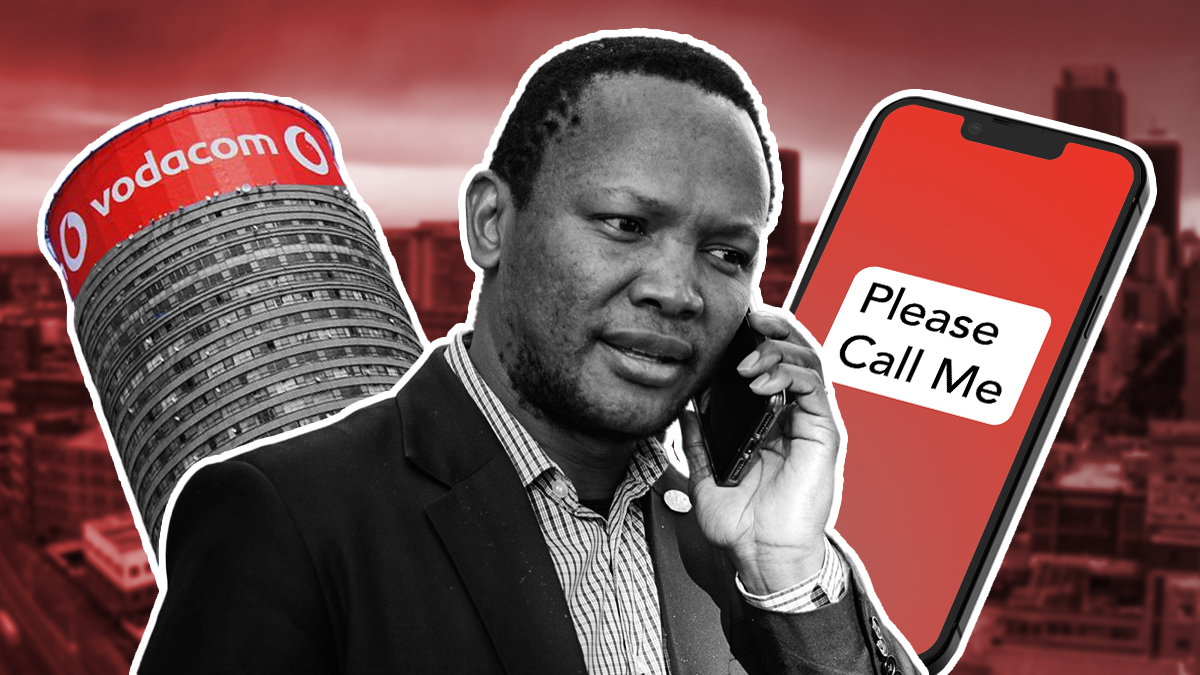
After nearly two decades of courtroom drama, Vodacom and Nkosana Kenneth Makate have finally reached an out-of-court settlement over the “Please Call Me” invention — one of South Africa’s longest and most closely watched legal sagas.
The telecommunications giant announced on Tuesday, 4 November 2025, that both parties had agreed to settle the matter for an undisclosed amount. In a statement published via the JSE news service, Vodacom confirmed: “The matter has been settled by the parties. Both parties are glad that finality has been reached in this regard.”
According to Vodacom, its board approved the settlement on 4 November, and the agreement has already been reflected in its interim financial results for the six months ending 30 September 2025, which are due for release on 10 November.
“As part of the settlement process, a notice was sent to the Supreme Court of Appeal withdrawing Vodacom’s appeal,” the company added. “Additionally, a notice was sent to the High Court to abandon the 8 February 2022 judgment.”
A Case That Defined Corporate Accountability
The settlement brings closure to a legal dispute that began in 2008, when Makate — a former Vodacom employee — claimed that he was the original creator of the “Please Call Me” concept, a free service allowing users to send a callback request when out of airtime.
After years of litigation, appeals, and counter-appeals, the courts repeatedly leaned in Makate’s favour. The Supreme Court of Appeal (SCA) had earlier ordered Vodacom to pay Makate between 5% and 7.5% of the total revenue generated from the service, using Makate’s own financial models to determine the compensation amount. The court also ruled that interest should accrue over the duration of the dispute.
Vodacom, however, challenged the ruling, taking the matter to the Constitutional Court. The company argued that the SCA’s order was “unenforceable” and “irrational,” as it allegedly created a compensation range between R29 billion and R63 billion — a sum Vodacom claimed was beyond reasonable measure.
Constitutional Court Steps In
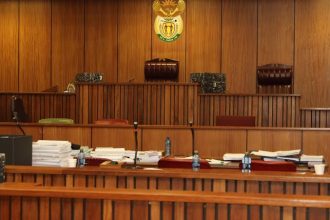
In a surprising twist, the Constitutional Court sided with Vodacom earlier this year, finding that the SCA’s handling of the case had constituted a “total failure of justice.” Acting Deputy Chief Justice Mbuyiseli Madlanga, who retired on the day he delivered the unanimous judgment, said the court had “agonised” over the matter, acknowledging that such a failure by a superior court was “new ground” for South African jurisprudence.
The ruling effectively nullified the SCA’s decision and sent the case back for rehearing — a move that could have reignited another lengthy legal battle. The rehearing was scheduled for 18 November 2025, but the new settlement ensures the dispute will never see another day in court.
Closure After 17 Years
For Vodacom, the settlement offers a clean slate and an opportunity to move beyond a reputationally bruising case. For Makate, it represents long-awaited vindication — even if the amount remains undisclosed.
While both parties have chosen to keep the finer details confidential, the resolution finally closes a 17-year chapter that has tested South Africa’s legal system, corporate ethics, and public patience.
As one legal analyst remarked shortly after the announcement, “The ‘Please Call Me’ case wasn’t just about money — it was about fairness, recognition, and the principle that ideas have value, no matter who first brings them to the table.”
And after years of legal wrangling, the inventor and the corporation have finally hung up the call — this time, for good.