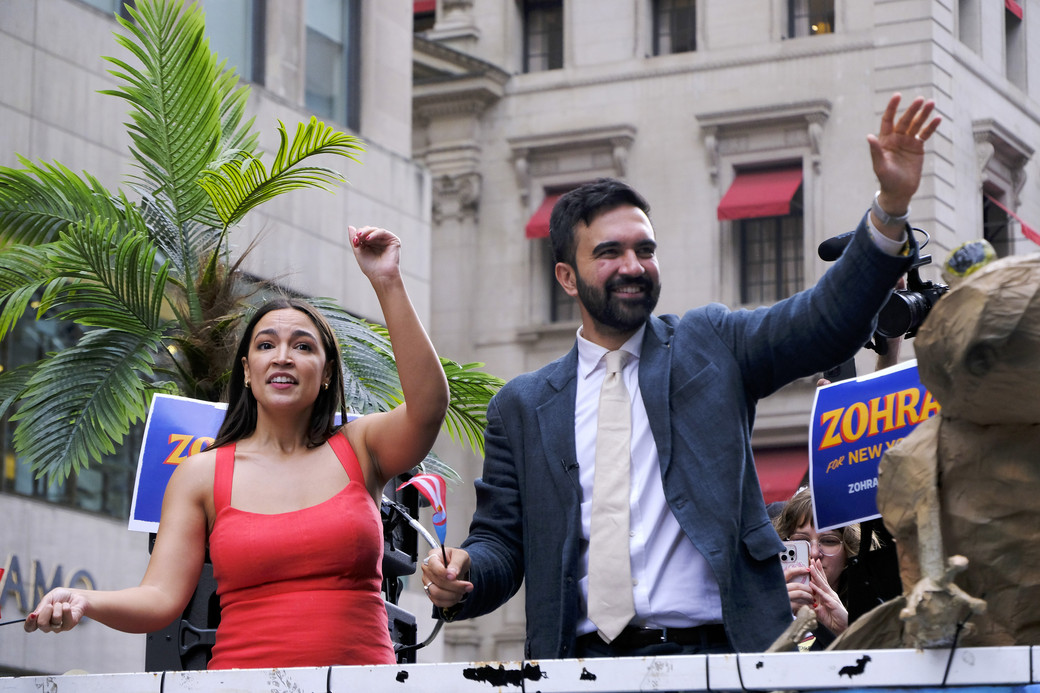
The streets of New York City were electric on Tuesday night, 4 November 2025, as Zohran Mamdani—a 34-year-old Democratic socialist with roots in South Africa and Uganda—claimed victory in one of the most closely watched mayoral races in U.S. history. His triumph not only makes him New York’s youngest mayor in over a century but also the first Muslim to hold the position.
Mamdani’s win was anything but ordinary. After pulling off a stunning upset in the Democratic primary earlier this year, he went on to defeat political heavyweight Andrew Cuomo, a former New York governor, and Republican candidate Curtis Sliwa. His campaign’s central message—making New York more affordable and livable for working-class residents—clearly struck a chord with voters weary of skyrocketing rent, corporate dominance, and political stagnation.
According to The New York Times, this election saw the highest voter turnout for a local race in decades, with over 730,000 early ballots cast. For many, the election wasn’t just about picking a mayor—it was about reclaiming a sense of civic power in a city often criticized for catering to the wealthy.
Brooklyn resident Grace Owens summed up that sentiment outside a Greenpoint polling station: “Elections often feel out of touch with what affects our daily lives. But when Mamdani said his top priority was universal childcare, that hit home. It’s something that would actually make life in New York sustainable again.”
Another voter, Sarah Chase, echoed that view: “He listens to people with less money. Cuomo listens to people with more. It’s really that simple.”
Even among voters less politically vocal, there was a sense that Mamdani represented a break from the monotony of predictable candidates. Jahan Shaikh, also from Brooklyn, said, “For once, it feels like someone’s campaign isn’t powered by corporations. There’s actual change in the air.”
From Kampala to Cape Town to Queens
Zohran Mamdani’s story is layered with global influence. Born in Kampala, Uganda, and raised partly in South Africa, he later moved to the United States with his family. His father, Mahmood Mamdani, is a renowned Ugandan academic known for championing transformation at the University of Cape Town in the late 1990s. His mother, filmmaker Mira Nair, directed acclaimed works such as Monsoon Wedding and Mississippi Masala.
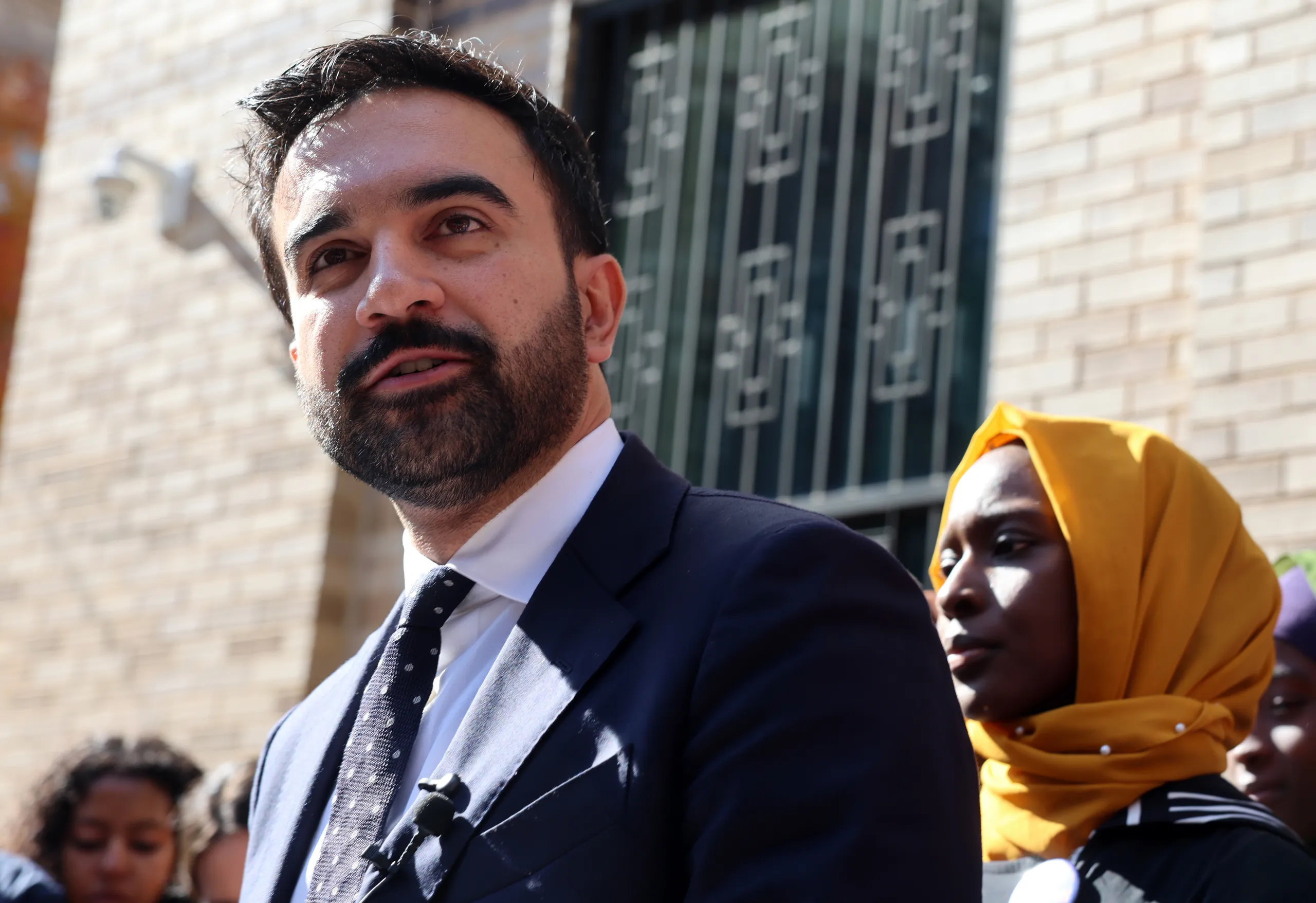
That multicultural background seemed to shape his progressive, internationalist outlook—something that resonated strongly with younger voters. His social media strategy, often described as a “masterclass in digital grassroots organizing,” helped him capture the imagination of millennials and Gen Z voters alike.
Mamdani’s policy platform reads like a progressive wishlist: raising taxes on the ultra-wealthy, freezing stabilized rent increases, and making buses and childcare free. For supporters, it’s a refreshing shift from status quo politics; for critics, it’s “idealistic bordering on reckless.”
Trump’s Shadow Over the Race
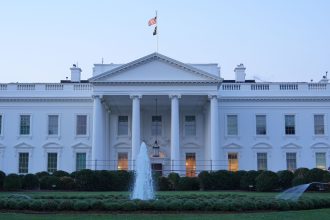
Adding fuel to the fire, U.S. President Donald Trump weighed in on the mayoral race the night before polls opened, endorsing Cuomo and threatening to cut federal funding to New York if Mamdani won. In a typically fiery post on Truth Social, Trump wrote, “If Communist Candidate Zohran Mamdani wins, this once-great city has ZERO chance of success.”
The comment, however, seemed to backfire spectacularly. A campaign volunteer outside a Midtown polling station told Daily Maverick, “New Yorkers don’t take kindly to being threatened by Trump. If anything, his post probably earned Mamdani a few extra thousand votes.”
Cuomo, running as an independent after losing the Democratic primary, couldn’t quite overcome the wave of support Mamdani inspired. Despite Republican attempts to brand him as a “communist,” many voters viewed the attacks as outdated political theatre.
A New Chapter for New York
For all his charisma and fresh ideas, Mamdani now faces the daunting challenge of turning campaign promises into tangible policy in a city notorious for bureaucratic inertia. But even his critics acknowledge the symbolic significance of his victory. In a country where youth participation in politics has long been tepid, Mamdani’s win represents a powerful generational shift.
As one voter put it, “People just want someone to stand up to Trump and to the system that’s made this city impossible for normal people. Mamdani might not fix everything overnight—but at least he’s listening.”
Whether this marks the dawn of a new political era or simply a momentary ripple in New York’s ever-changing political landscape, one thing is certain: Zohran Mamdani’s election has reminded millions that the city’s beating heart still belongs to its people, not its billionaires.