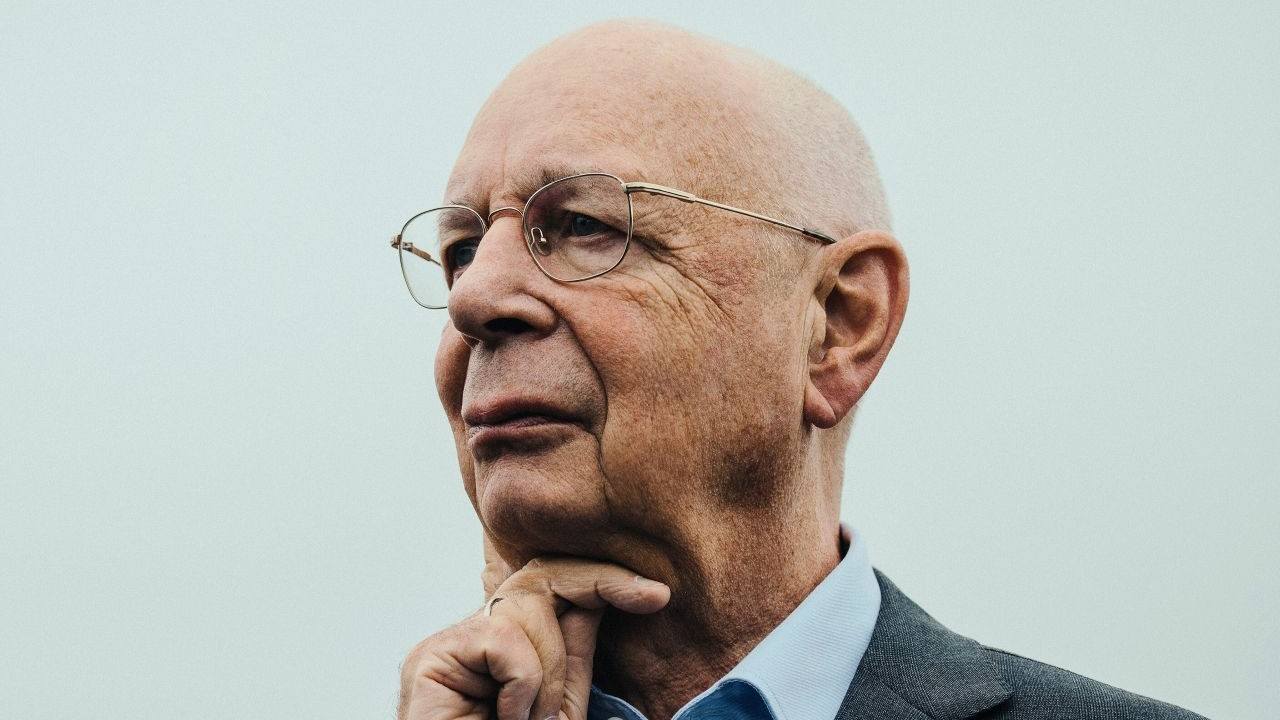
Klaus Schwab, the architect of the World Economic Forum (WEF), has officially stepped down as chairman after more than half a century at the helm of one of the world’s most influential economic platforms.
In a statement released on Monday, Schwab confirmed his resignation with immediate effect.
“Following my recent announcement, and as I enter my 88th year, I have decided to step down from the position of Chair and as a member of the Board of Trustees,” Schwab said.
- Advertisement -
The resignation was formally accepted at an extraordinary board meeting held on April 20, marking the end of an era for the Geneva-based forum that he founded in 1971.
A Legacy of Global Influence
Born in Germany, Schwab created the WEF with the vision of fostering collaboration between the public and private sectors to address pressing global challenges. The first WEF conference, hosted in the Swiss ski resort town of Davos, attracted several hundred politicians, academics, and business leaders.
Since then, the annual Davos summit has grown into a global event, drawing heads of state, tech titans, celebrities, and civil society leaders to discuss everything from climate change to geopolitical instability.
Peter Brabeck-Letmathe, current Vice Chairman of the WEF and former Nestlé CEO, has been appointed interim chairman while the search for Schwab’s successor begins.
Controversy and Criticism
While widely praised for building a unique platform for dialogue, Schwab and the WEF have also been frequent targets of criticism. Detractors across the political spectrum have accused the Davos elite of being out of touch with the needs of ordinary people, particularly amid global inequality and economic hardship.
In recent years, Schwab himself became the focus of conspiracy theories, particularly surrounding a 2016 WEF video that predicted societal shifts by 2030. The video included the now-infamous line, “You’ll own nothing. And you’ll be happy”, sparking viral backlash and claims of a WEF-led plot to eliminate private ownership.
The phrase, often incorrectly attributed to Schwab, was actually derived from an essay by Danish politician Ida Auken, which speculated on multiple future scenarios.
What’s Next for the WEF?
With Schwab stepping aside, the WEF faces a critical turning point. The new chair will inherit a forum at a time of rising geopolitical tensions, technological disruption, and public skepticism toward global institutions.
The next Davos meeting is expected to be closely watched, not only for its policy discussions but also for signals of how the WEF plans to evolve post-Schwab.