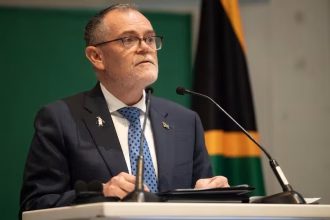
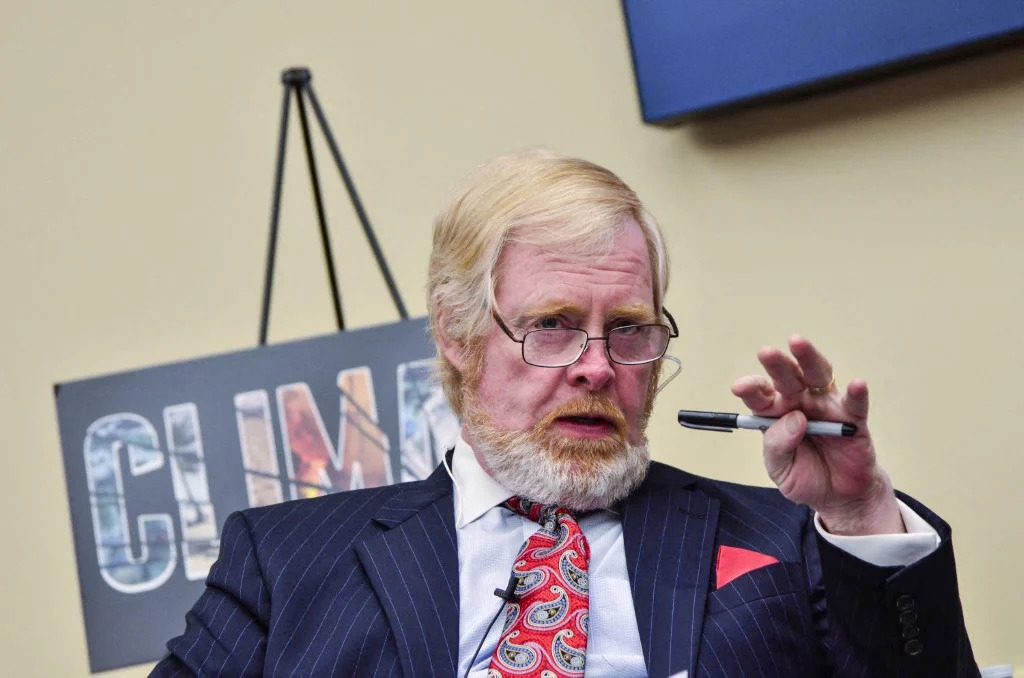
The United States Senate has formally confirmed Leo Brent Bozell III as the incoming US ambassador-designate to South Africa, cementing a controversial appointment that signals a more confrontational phase in relations between Washington and Pretoria.
The confirmation was approved on Thursday, 18 December 2025, by a narrow 53–43 party-line vote. Diplomats on both sides of the Atlantic have described the timing as particularly sensitive, with bilateral relations facing what many consider their most serious test since the dawn of South Africa’s democracy in 1994.
Bozell’s confirmation transforms what was previously a nominee’s policy agenda into an official mandate of the US government, setting the stage for an unusually political and high-stakes diplomatic tenure.
Appointment Comes Amid Diplomatic Fallout
Bozell’s arrival in South Africa coincides with an ongoing diplomatic dispute following a recent law enforcement raid on a US-linked refugee processing facility in Johannesburg. The operation, which resulted in the arrest and deportation of Kenyan nationals working at the centre, has been described by Washington as “unacceptable harassment”.
The US State Department has since escalated its response, accusing South African authorities of exposing the personal details of US officials involved in the programme. Pretoria has rejected claims of misconduct, but the episode has added fresh strain to an already brittle relationship.
A Clear and Confrontational Mandate
During his appearance before the US Senate Foreign Relations Committee in October, Bozell made little effort to disguise his critical view of South Africa’s foreign policy direction. He warned that Washington believes Pretoria is drifting away from non-alignment and moving closer to geopolitical rivals including China, Russia and Iran.
Following his confirmation, Bozell is expected to pursue a three-pronged strategy that directly challenges key pillars of South Africa’s current international posture.
The first centres on curbing what Washington views as growing Chinese influence in South African infrastructure and energy projects. Bozell’s mandate reportedly includes using US trade leverage to counter Beijing’s expanding footprint in these strategic sectors.
The second involves South Africa’s genocide case against Israel at the International Court of Justice. Bozell has previously described the case as “lawfare” and is now expected to formally press Pretoria to withdraw it, arguing that it undermines Western interests and alliances.
The third focuses on the controversial US refugee programme that prioritises Afrikaners. Bozell will oversee the implementation of a 2026 refugee quota that has already drawn sharp criticism from South Africa’s Department of International Relations and Cooperation, which has dismissed the programme as being based on a “false narrative” of racial persecution.
Relations at a Boiling Point
Bozell’s confirmation comes against the backdrop of a series of unprecedented diplomatic escalations throughout 2025. The United States has effectively excluded South Africa from the 2026 G20 meetings it will host, citing what it describes as Pretoria’s increasingly “anti-American” alignment.
At the same time, Washington has begun implementing 30% reciprocal tariffs on selected South African exports. The measures are already placing pressure on key industries, including automotive manufacturing and agriculture, sectors that rely heavily on access to the US market.
On the day of Bozell’s confirmation, the US embassy in Pretoria issued a sharply worded warning, stating that failure to hold those responsible for the alleged exposure of US officials’ details accountable could lead to “severe consequences”. The language fuelled speculation that further sanctions or trade restrictions may follow.
Ambassador-Designate, Not Yet Ambassador
Despite Senate confirmation, Bozell remains ambassador-designate and cannot formally represent the United States until he presents his Letters of Credence to President Cyril Ramaphosa. Diplomatic protocol dictates that until this ceremony takes place, his authority remains limited.
Given Bozell’s history as an outspoken critic of the ANC, including his involvement in the 1980s with the Coalition Against ANC Terrorism, the timing of the credential ceremony is likely to carry symbolic weight.
Should Pretoria choose to delay the process, Bozell could find himself in a state of diplomatic limbo for months. Such a move would effectively mute Washington’s highest-level diplomatic voice in South Africa at a time of heightened instability and mutual suspicion.
A Test for Both Capitals
Bozell’s confirmation underscores a broader shift in how Washington intends to engage with Pretoria, moving away from quiet diplomacy toward a more overtly strategic and transactional approach.
Whether this results in recalibrated relations or deeper confrontation will depend largely on how both governments navigate the coming months. What is already clear is that Bozell’s tenure, even before it officially begins, has placed US–South Africa relations firmly under the global spotlight.