An Afrikaner man was detained in the United States for three months in September 2025 after applying for asylum while entering the country on a tourist visa, a move that placed him in violation of US immigration regulations.
According to reports by IOL, Benjamin Schoonwinkel travelled from South Africa to the United States on a tourist visa and arrived in Atlanta, Georgia. Upon landing, he requested protection from the US government, claiming he was fleeing persecution in South Africa.
Schoonwinkel alleged that he was the victim of a violent attack on his farm in 2014. He claimed that two men assaulted him, held him at knifepoint, tied him up, and ransacked his home. He has cited this incident as evidence of persecution that ultimately compelled him to leave South Africa.
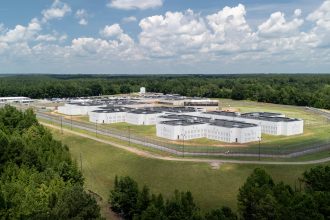
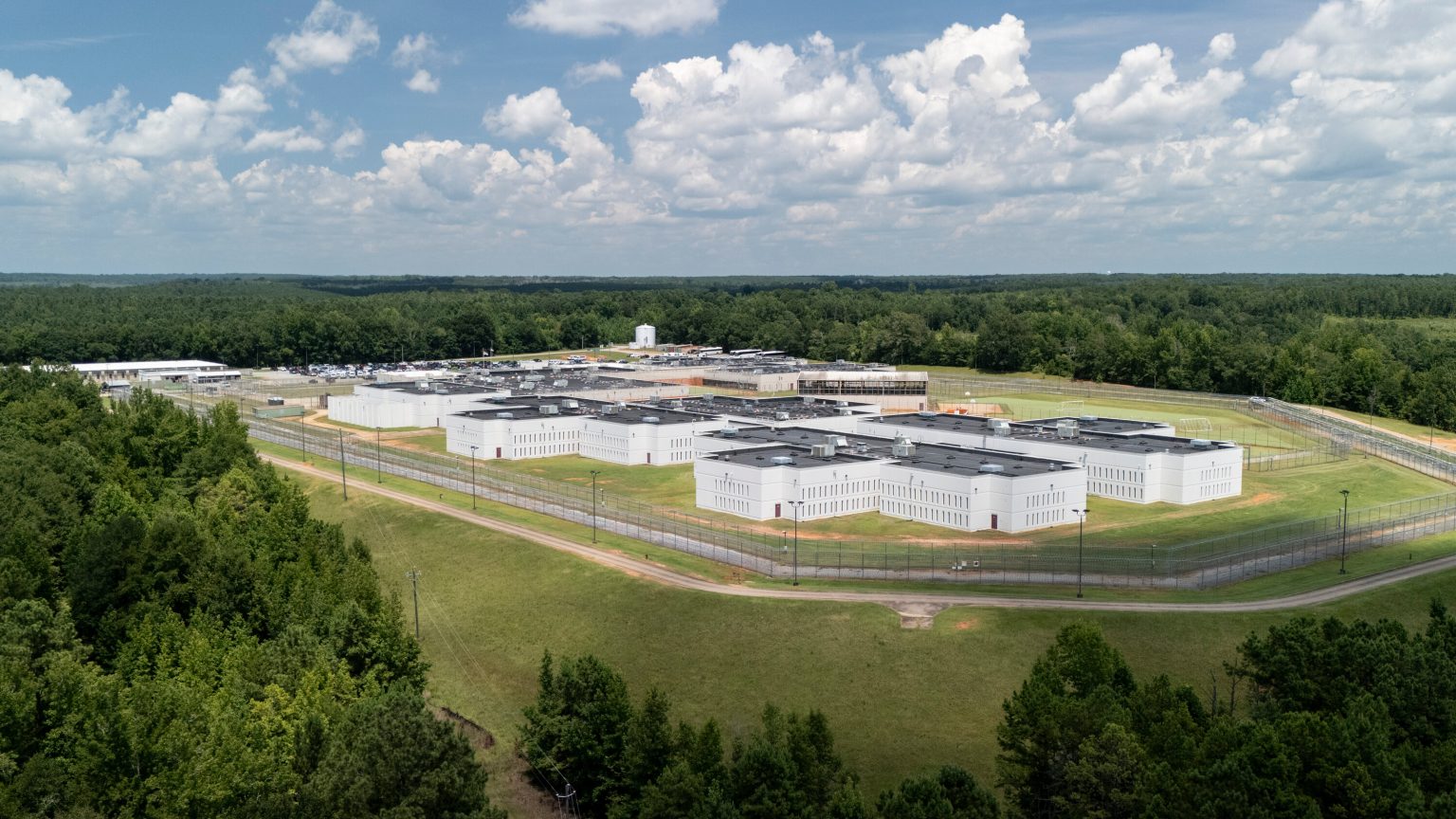
US authorities arrested Schoonwinkel upon arrival and transferred him to the Stewart Detention Center in Lumpkin, Georgia. There, he was held for approximately three months alongside an estimated 2,000 other immigrants detained as part of the United States’ strict immigration enforcement measures at the time.
The detentions took place under policies linked to former US President Donald Trump’s hardline stance on immigration, which significantly increased arrests and prolonged detention periods for individuals deemed to have violated immigration laws.
Schoonwinkel said he left behind a stable and comfortable life in South Africa, claiming that concerns for his personal safety outweighed the security he had built at home. His case has since drawn attention due to its intersection with broader political narratives surrounding Afrikaner refugees.
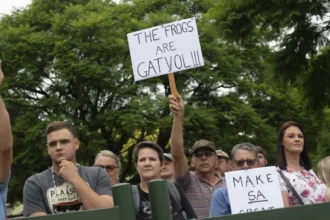
He is among a relatively small number of Afrikaners who have accepted refugee status offered by the Trump administration. In February 2025, Trump signed an Executive Order granting refugee status specifically to Afrikaners, alleging that the South African government was persecuting Afrikaner farmers, killing them, and forcibly seizing their land.
These claims have been strongly disputed by the South African government, which has consistently rejected assertions of state-sponsored persecution or genocide against Afrikaner farmers.
Adding to the controversy, White House Press Secretary Karoline Leavitt announced that the United States would exclusively accept Afrikaner refugees under the programme, an unexpected policy position that sparked international debate and criticism.
Under the same directive, Trump prioritised 7,500 resettlement places for South Africans in the following US financial year, with Afrikaners placed at the front of the queue. The move has been praised by supporters as humanitarian intervention, while critics argue it politicises refugee protection and misrepresents South Africa’s complex crime challenges.
Schoonwinkel’s detention underscores the legal risks faced by asylum seekers who enter the United States on tourist visas, as well as the broader political tensions surrounding migration, race, and refugee policy between South Africa and the United States.