Singapore has drawn a clear line in the escalating global shipping crisis, refusing to negotiate with Iran over safe passage through the Strait of Hormuz.
The Southeast Asian nation says its position is rooted in principle: access to international waterways is a legal right under international law—not a service that can be bought or negotiated.
The stance comes as tensions rise following Iran’s decision to restrict tanker movement through the critical oil route, triggering widespread concern across global trade and energy markets.
‘Transit Is a Right, Not a Privilege’
Addressing Parliament, Singapore’s Foreign Minister Vivian Balakrishnan rejected the idea of paying tolls or entering negotiations with Tehran.
He stressed that transit passage through international straits is protected under established legal frameworks and should not be subject to unilateral control.
Singapore argues that engaging in negotiations or paying fees would undermine the United Nations Convention on the Law of the Sea, which guarantees freedom of navigation through key maritime routes.
Global Shipping Routes Under Pressure
The Strait of Hormuz remains one of the world’s most strategically important chokepoints, handling a significant share of global oil exports.
Iran’s reported imposition of transit fees—reportedly reaching up to R37 million per vessel—has already pushed several countries to strike agreements to secure safe passage for their ships.
Nations including India, Pakistan, Thailand, and the Philippines have opted to negotiate, highlighting the economic urgency of maintaining uninterrupted trade flows.
Singapore, however, has become the first Asian country to publicly refuse such arrangements.
A Maritime Power with Strategic Stakes
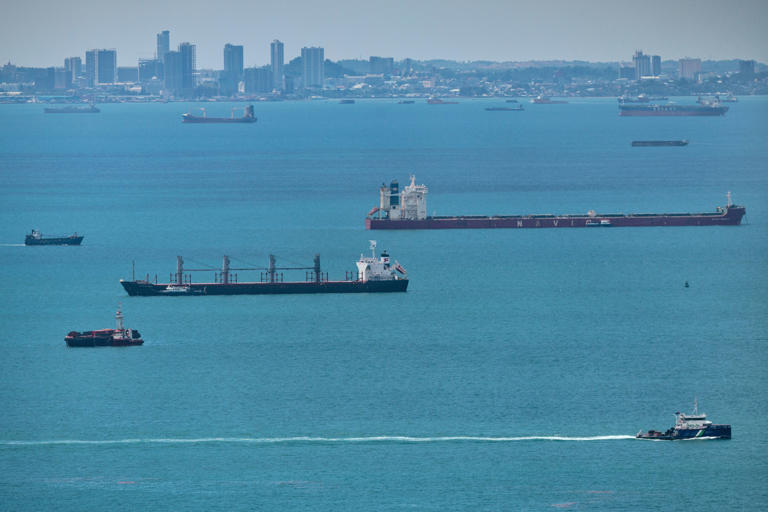
Despite its small geographic size, Singapore plays an outsized role in global shipping.
Located along the Strait of Malacca, one of the busiest maritime corridors in the world, Singapore oversees:
- The world’s largest trans-shipment port
- A major hub for global container trade
- The leading refuelling centre for international shipping
More oil and container traffic passes through the Strait of Malacca than the Strait of Hormuz, underscoring why Singapore is particularly sensitive to any precedent that could affect global maritime rights.
Diplomatic Channels Remain Open
While maintaining its firm stance, Singapore has not closed the door on diplomatic engagement.
Balakrishnan confirmed that communication lines remain open with Iran’s Foreign Minister Abbas Araghchi, signalling that dialogue may continue—though not on the issue of transit fees.
Authorities in Singapore are also working closely with shipping operators and vessels registered under its flag to explore safe transit options amid the uncertainty.
Analysis: A Legal Principle with Global Consequences
Singapore’s refusal is not just a diplomatic decision—it is a strategic defence of international maritime law.
If countries begin paying for access to global waterways, it could:
- Set a precedent for toll-based control of critical trade routes
- Undermine decades of legal norms governing freedom of navigation
- Increase costs across global supply chains, including fuel and goods
For economies like South Africa, heavily reliant on imported oil and global shipping, such shifts could translate into higher fuel prices and increased inflationary pressure.
What Happens Next?
As tensions persist, key developments to watch include:
- Whether more countries align with Singapore’s legal stance
- Iran’s response to non-compliant shipping nations
- Potential intervention by international bodies
- The long-term impact on global maritime law and trade
For now, Singapore’s message is clear: the rules governing the world’s oceans are not up for negotiation.