In a move to tighten enforcement of national regulations, Employment and Labour Deputy Minister Jomo Sibiya led a high-impact blitz inspection in Nquthu in northern KwaZulu-Natal on Friday.
The operation formed part of a coordinated effort to clamp down on labour and immigration violations, focusing specifically on businesses in the wholesale and retail sector.
Joint Operation Uncovers Non-Compliance
The inspection involved Employment and Labour inspectors, immigration officers, EDTEA officials and the South African Police Service (SAPS).
Authorities uncovered multiple instances of non-compliance with South African labour laws, the Immigration Act and other national regulations.
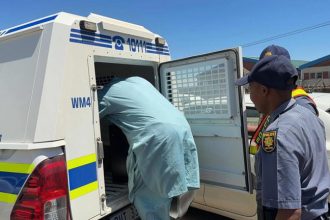
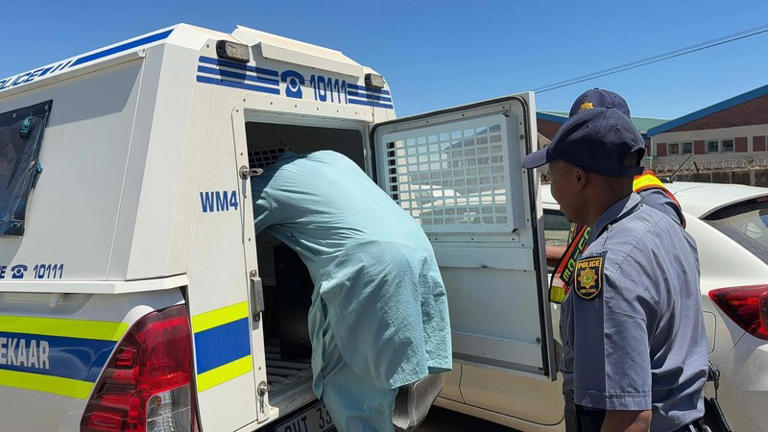
The operation resulted in the detention of illegal immigrants and their employers, as well as the confiscation of illegal materials found at the scene.
Sibiya confirmed that the operation was conducted successfully through collaboration between the Department of Employment and Labour, SAPS and Home Affairs.
Arrests, Shop Closures and Confiscations
A total of 10 illegal immigrants were arrested during the operation. Inspectors found that 11 out of 17 shops were non-compliant and ordered them to cease operations.
Electricity was cut off to the affected businesses and goods worth more than R10,000 were confiscated.
“The President has given us a clear mandate on what to do, and we won’t disappoint. Ours is to implement,” Sibiya said, also thanking the local municipality for its support.
Government Tightens Enforcement Nationwide
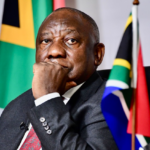
During his recent State of the Nation Address, President Cyril Ramaphosa said police, Home Affairs and labour inspectors would intensify efforts to crack down on violations of immigration and labour laws.
Employers found hiring foreign nationals without the required visas will face legal consequences. As part of the enforcement drive, government plans to hire 10,000 additional labour inspectors this year.
This increased capacity is expected to boost annual workplace inspections from around 300,000 to approximately 1.6 million visits, improving conditions for more than 16.8 million workers.
Authorities also aim to increase recoveries from penalties, fines and underpayments, with the department already recovering more than R70 million annually for exploited workers.
Labour inspections are one of those quiet levers of governance — rarely glamorous, often controversial, but incredibly powerful in shaping how economies actually function on the ground, where policy meets reality in shopfronts and factory floors.