
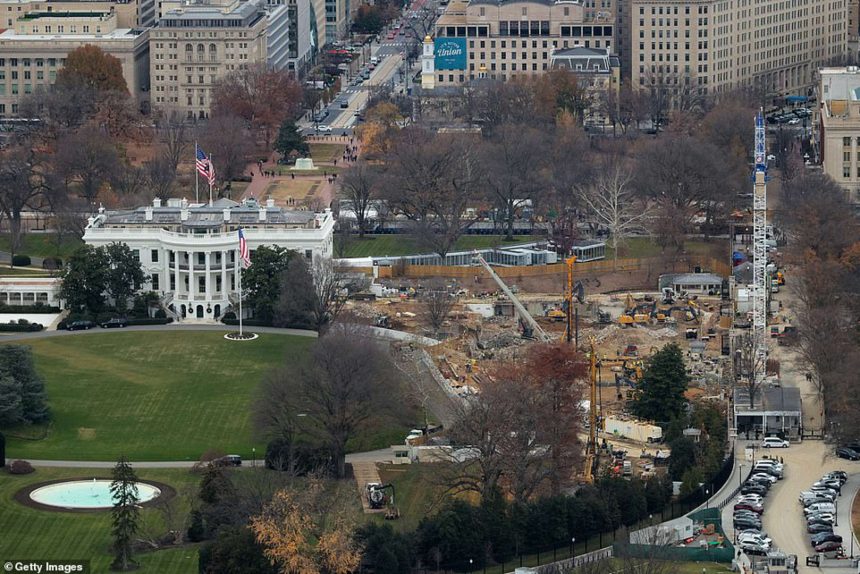
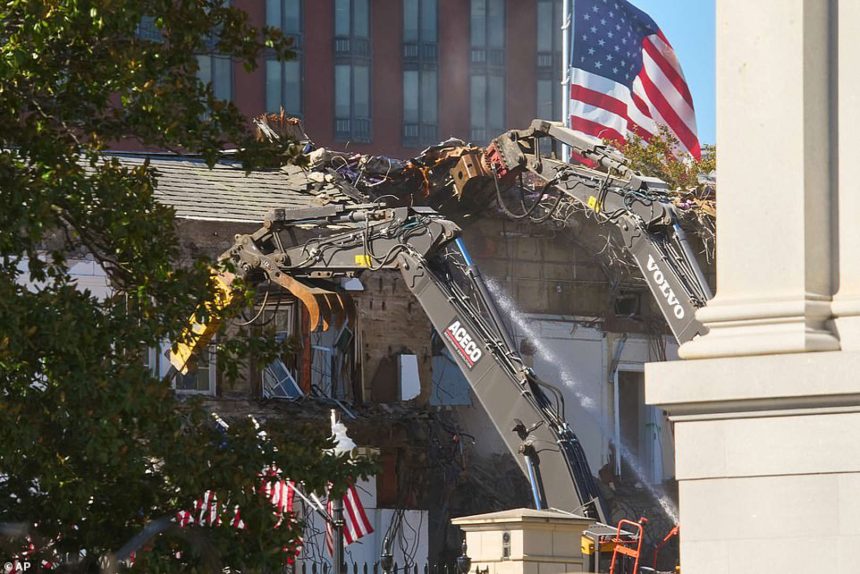
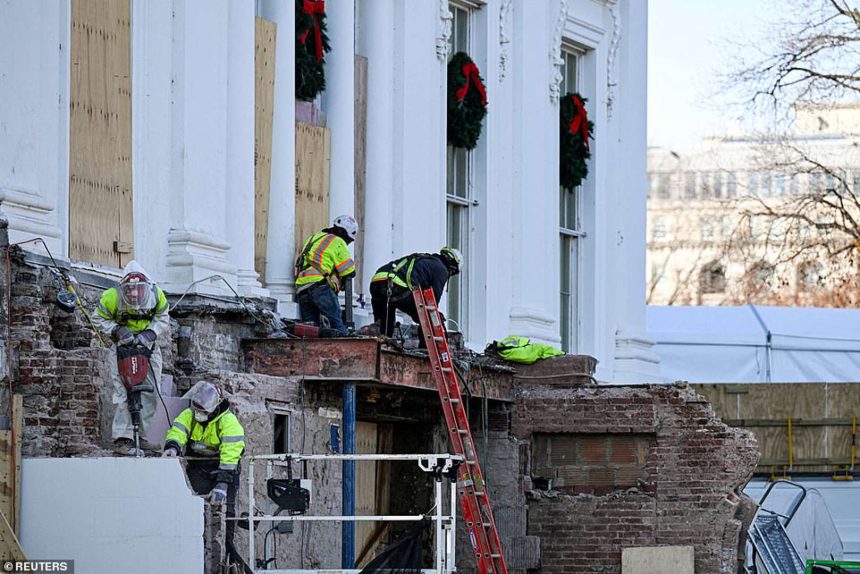
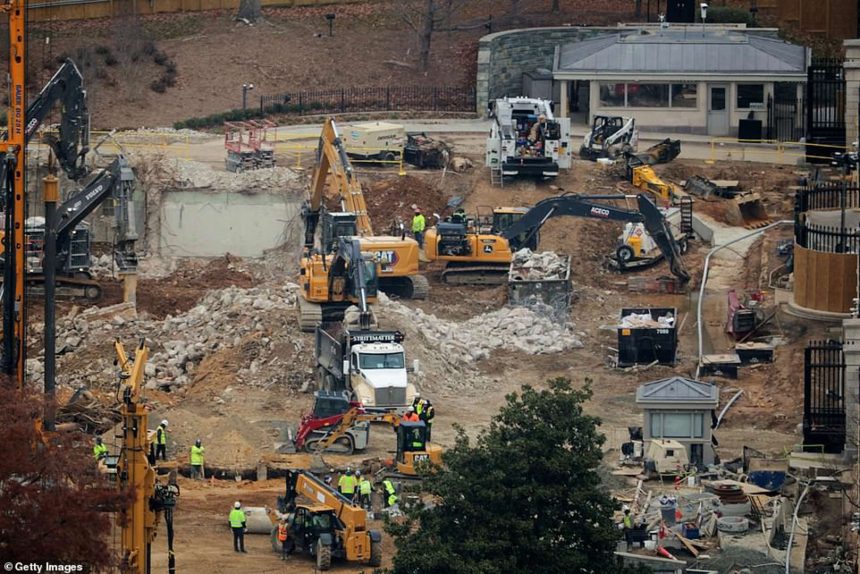
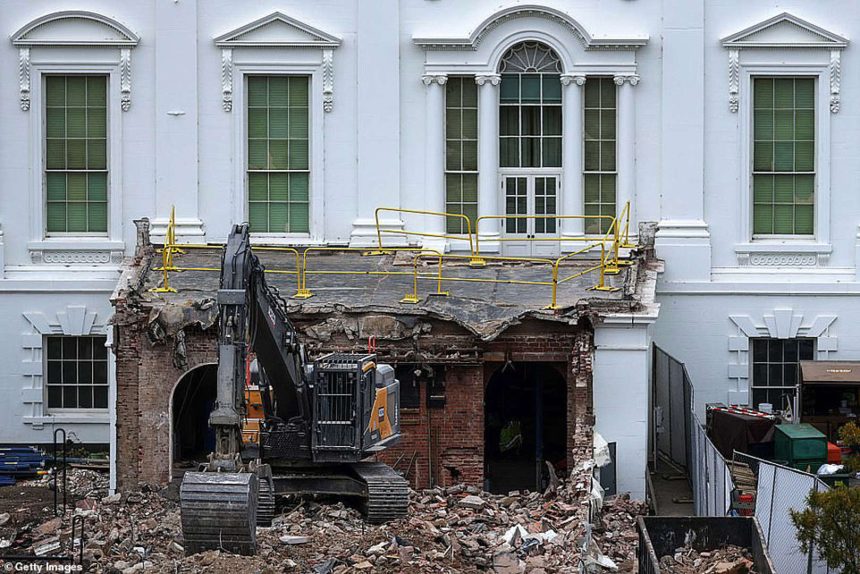
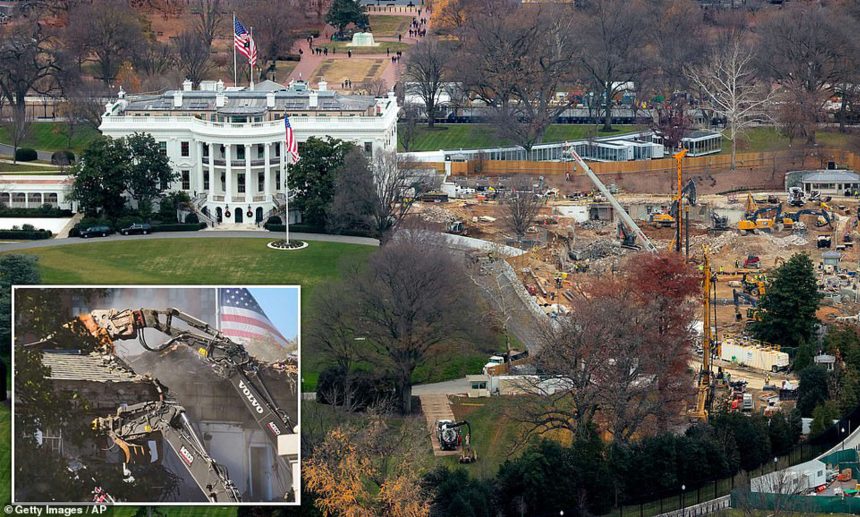
US president Donald Trump is facing legal action after the National Trust for Historic Preservation filed a lawsuit accusing his administration of unlawfully demolishing the East Wing of the White House to make way for a new ballroom.
The lawsuit was filed on Friday in the US District Court for the District of Columbia, with preservationists arguing that the demolition and ongoing construction bypassed legally required planning, environmental and public consultation processes.
Preservationists Claim Legal Processes Were Ignored
According to court documents, the Trust alleges that Trump and senior administration officials failed to submit the ballroom project to the National Capital Planning Commission (NCPC), as required under the National Capital Planning Act.
The commission traditionally oversees development projects in Washington, DC, and provides a formal public comment period — a step that critics say was entirely skipped.
“No president is legally allowed to tear down portions of the White House without any review whatsoever,” the lawsuit states, adding that the public was denied an opportunity to weigh in on changes to one of the most symbolic buildings in the United States.
Environmental and Congressional Oversight in Question
The lawsuit further claims that no environmental review was conducted before the East Wing was demolished. It also argues that Congressional approval should have been sought, given that the White House is situated on federal parkland.
The Trust is asking the court to halt construction immediately and suspend the ballroom project until all required reviews and approvals are completed — reviews that, it argues, should have taken place before demolition began.
Who Is Named in the Lawsuit
In addition to Trump, the lawsuit names several senior officials, including Interior Secretary Doug Burgum, as well as acting heads of the General Services Administration and the National Park Service, both of which oversee federal properties.
White House Pushes Back
The White House swiftly rejected the claims, insisting the project is lawful.
“President Trump has full legal authority to modernise, renovate and beautify the White House — just like all of his predecessors did,” spokesperson Davis Ingle said in a statement.
Officials have also stressed that the ballroom is being funded through private donations, arguing that taxpayers will not bear any financial burden.
A White House source added that plans would still be submitted to the NCPC “at the appropriate time”, once designs are finalised.
Controversial Oversight Appointment
Ahead of the demolition, Trump appointed White House Staff Secretary Will Scharf as chair of the NCPC. Scharf reportedly argued that the commission has authority over construction, but not demolition — a legal interpretation that allowed the East Wing to be torn down without oversight.
That decision sparked anger among historic preservation groups and former staff from first ladies’ offices, many of which were previously housed in the East Wing.
Architect Changes and Industry Backlash
As construction continues, the ballroom’s final design remains unsettled. Reports indicate Trump replaced original architect James McCrery II following disagreements over the size of the structure. Architect Shalom Baranes has since been appointed to lead the project.
However, resistance within architectural circles has intensified. A group of 29 architects, identifying themselves as part of the historic preservation community, signed an open letter urging Baranes to withdraw from the project.
“The Trump administration has destroyed a significant portion of our country’s most significant treasure,” the letter stated, referencing the demolition of the East Wing without public consultation.
Baranes’ firm has not publicly responded to the criticism.
A Legal and Symbolic Battle
With cranes looming over the White House and construction ongoing, the lawsuit sets the stage for a high-profile legal battle that blends law, politics and history.
At its heart lies a familiar question in American governance: how much power does a president have when it comes to reshaping national symbols — and where should the line between authority and accountability be drawn?
For now, the court will decide whether Trump’s ballroom dreams can continue, or whether the bulldozers moved too fast for the law to keep up.